When it comes to enhancing the aesthetic appeal and security of your property, aluminum fencing has emerged as a popular choice among homeowners and professionals alike. Known for its sleek appearance and durability, aluminum fencing offers a perfect blend of functionality and style. Its lightweight nature makes it an ideal option for those looking to install a fence without the hassle of heavy materials or complicated installation processes.One of the standout features of aluminum fencing is its ease of installation. Unlike traditional fencing options that often require extensive digging and concrete work, aluminum fences can be set up quickly and efficiently.
This not only saves time but also reduces the overall cost of installation, making it an attractive option for DIY enthusiasts. With pre-fabricated panels and minimal tools required, even those with limited experience can achieve professional-looking results.Moreover, the benefits of aluminum fencing extend beyond just ease of installation. It is resistant to rust and corrosion, ensuring that your investment remains intact for years to come. This low-maintenance material does not require painting or staining, allowing you to enjoy your outdoor space without the burden of constant upkeep.
Additionally, aluminum fences are available in various styles and colours, providing homeowners with the flexibility to choose a design that complements their property.In summary, aluminum fencing stands out as one of the easiest fences to install while offering numerous advantages that enhance both the functionality and beauty of your outdoor space. Whether you are looking to secure your garden, define your property boundaries, or simply add a decorative touch, aluminum fencing is a versatile solution that meets a wide range of needs.
Why Choose Aluminum Fencing?
When it comes to selecting a fencing material, aluminum fencing stands out as a top contender for homeowners seeking a blend of functionality and aesthetic appeal. Here are some compelling reasons to consider aluminum fencing for your property.Durability and Longevity
One of the most significant advantages of aluminum fencing is its remarkable durability. Unlike wood, which can warp, rot, or be susceptible to pests, aluminum is resistant to the elements.It does not rust or corrode, making it an ideal choice for areas with high humidity or coastal environments. With proper care, an aluminum fence can last for decades, providing long-term value for your investment.
Low Maintenance Requirements
Homeowners often seek materials that require minimal upkeep, and aluminum fencing excels in this regard. Unlike wood fences that need regular staining or painting to maintain their appearance, aluminum fences typically only require occasional cleaning with soap and water to remove dirt and debris. This low maintenance requirement not only saves time but also reduces long-term costs associated with upkeep.Aesthetic Appeal
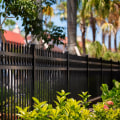
Aluminum fencing offers a sleek and modern look that can enhance the overall aesthetic of your property.Available in various styles and finishes, it can complement any architectural design. Whether you prefer a classic wrought-iron appearance or a more contemporary design, aluminum can be customized to suit your taste. Additionally, its ability to be powder-coated in different colors allows for further personalization.
Cost-Effectiveness
While the initial cost of aluminum fencing may be higher than some alternatives like chain link or wood, its longevity and low maintenance needs make it a cost-effective choice in the long run. Homeowners save on repair and replacement costs over time, making aluminum a wise investment.Comparison with Other Materials
- Aluminum vs.
Wood:
Wood requires regular maintenance and is prone to damage from weather and pests, while aluminum remains intact without extensive care. - Aluminum vs. Vinyl: Vinyl is also low maintenance but may not offer the same level of durability as aluminum in extreme conditions.
- Aluminum vs. Chain Link: Chain link is affordable but lacks the aesthetic appeal and security features that aluminum provides.
Installation Process of Aluminum Fencing
Installing an aluminum fence can be a rewarding DIY project that enhances the aesthetic appeal and security of your property.Below is a comprehensive guide to help you through the installation process, including the necessary tools, preparation steps, and tips for a successful outcome.
Tools Needed for Aluminum Fencing Installation
- Measuring tape
- Level
- Post hole digger or auger
- Rubber mallet
- Power drill with appropriate bits
- Screws and brackets (usually provided with the fence kit)
- Concrete mix (if required for securing posts)
- Safety goggles and gloves
Preparation Steps
- Check Local Regulations: Before starting, check with your local council regarding fencing regulations, including height restrictions and property lines.
- Gather Materials: Purchase your aluminum fencing panels, posts, and any additional hardware needed. Ensure you have all components before beginning the installation.
- Mark the Layout: Use stakes and string to outline where the fence will go. This will help you visualize the layout and ensure it follows property lines.
- Measure and Mark Post Locations: Typically, posts should be spaced 6 to 8 feet apart. Use your measuring tape to mark where each post will go along the string line.
Installation Steps
- Dig Post Holes: Use a post hole digger or auger to create holes for your posts.
The depth should be about one-third of the post height, ensuring stability.
- Set the Posts: Place each post into its hole. Use a level to ensure they are straight. If necessary, add concrete mix around the base for added support.
- Attach Panels: Once the posts are secure, begin attaching the aluminum panels. Align them with the posts and use screws or brackets as specified in your installation kit.
- Add Gates: If your design includes gates, install them according to the manufacturer’s instructions, ensuring they swing freely without obstruction.
- Final Checks: After installation, double-check that all panels are level and secure.
Make any adjustments as needed before completing the project.
Common Mistakes to Avoid When Installing Aluminum Fencing
Installing an aluminum fence can be a rewarding project, but it’s essential to approach the task with care to avoid common pitfalls. Here are some frequent mistakes homeowners make during the installation process and tips on how to sidestep them.- Neglecting to Check Local Regulations: Before you begin, it’s crucial to check with your local council regarding fencing regulations. Many areas have specific height restrictions, design guidelines, or permit requirements. Failing to adhere to these rules can lead to fines or the need to remove the fence.
- Inaccurate Measurements: One of the most significant errors is not measuring your yard accurately.
Take the time to measure the area where you plan to install the fence multiple times. Use a string line or stakes to outline the perimeter, ensuring that your measurements are precise. This will help prevent costly adjustments later on.
- Ignoring Ground Conditions: The type of soil and terrain can greatly affect your installation process. If you encounter rocky or uneven ground, it may require additional tools or techniques for proper installation.
Assessing the ground conditions beforehand can save you time and effort.
- Improper Post Spacing: Aluminum fences typically require specific spacing between posts for optimal stability and appearance. Skipping this step can lead to a wobbly fence that doesn’t look right. Refer to the manufacturer’s guidelines for recommended post spacing and adhere strictly to them.
- Overlooking Gate Placement: Gates are often an afterthought during installation, but their placement is critical. Ensure that gates are positioned in convenient locations for access while also considering how they swing open.
A poorly placed gate can lead to frustration and may require reworking sections of your fence.
- Forgetting About Drainage: Water pooling around fence posts can lead to rust and deterioration over time. Ensure that your posts are installed in a way that allows for proper drainage, especially in areas prone to heavy rainfall.
- Skipping the Level Check: As you install each panel, it’s vital to check that everything is level. An uneven fence not only looks unprofessional but can also compromise its structural integrity. Use a level tool frequently throughout the installation process.
Proper planning and attention to detail will not only save you time but also enhance the overall quality and longevity of your fencing project.
Maintenance Tips for Aluminum Fencing
Maintaining your aluminum fence is essential for preserving its aesthetic appeal and ensuring its longevity. Unlike wood or vinyl, aluminum fencing is known for its durability and resistance to rust, but it still requires some care to keep it looking its best. Here are some effective maintenance tips to help you care for your aluminum fences.Regular Cleaning
One of the simplest yet most effective ways to maintain your aluminum fence is through regular cleaning. Dirt, grime, and environmental pollutants can accumulate over time, dulling the finish of your fence.To clean your aluminum fencing:
- Use a Soft Cloth or Sponge: Start by using a soft cloth or sponge with warm, soapy water. Avoid abrasive materials that could scratch the surface.
- Rinse Thoroughly: After scrubbing, rinse the fence with clean water to remove any soap residue.
- Frequency: Aim to clean your fence at least once a year, or more frequently if you live in an area with heavy pollution or dust.
Inspect for Damage
Regular inspections are crucial for identifying any potential issues before they become significant problems. Look for signs of:- Corrosion: Although aluminum is resistant to rust, it can still corrode under certain conditions. Check for any white powdery residue, which indicates corrosion.
- Dents or Scratches: Inspect the panels and posts for any physical damage that may require repair.
Preventive Measures Against Corrosion
To further protect your aluminum fence from corrosion, consider the following preventive measures:- Avoid Direct Contact with Soil: Ensure that the bottom of the fence panels does not sit directly in soil or mulch, as moisture can lead to corrosion over time.
- Apply a Protective Coating: If you notice signs of wear on the finish, consider applying a protective coating designed for aluminum surfaces.
This can help seal and protect against moisture and environmental damage.
Cost Considerations for Aluminum Fencing Installation
When considering the installation of an aluminum fence, understanding the associated costs is crucial for effective budgeting. The overall expense can vary significantly based on several factors, including the size of the area to be fenced, the type of aluminum fencing chosen, and whether you opt for a DIY approach or hire professionals.Cost of Aluminum Fencing
The price of aluminum fencing typically ranges from NZD 100 to NZD 200 per linear meter, depending on the quality and style. Higher-end options with decorative features or custom designs can push this cost upwards.
Additionally, consider the following:
- Material Quality: Thicker and more durable aluminum will generally cost more but offer better longevity.
- Style and Design: Ornamental styles with intricate designs will be more expensive than standard panels.
- Height: Taller fences require more material and thus increase costs.
Budgeting for Fence Installation
When budgeting for your aluminum fence installation, it’s essential to account for additional costs beyond just the materials:
- Post Installation: Posts are critical for stability and may require concrete for secure placement, adding to your material costs.
- Gates: If you plan to include gates, factor in their cost as well, which can range from NZD 300 to NZD 800 depending on size and design.
- Permits: Check local regulations; some areas may require permits that could incur additional fees.
Professional vs DIY Installation Costs
The choice between DIY installation and hiring professionals can significantly impact your budget. Here’s a breakdown:
- DIY Installation: While you can save on labor costs by installing the fence yourself, consider the time investment and potential need for specialized tools. Expect to spend around NZD 500 to NZD 1,000 on materials alone for a typical residential yard.
- Professional Installation: Hiring a professional can range from NZD 1,500 to NZD 3,000 or more, depending on the complexity of the job. This option ensures that the installation is done correctly and efficiently, potentially saving you from future repair costs.
By carefully considering these factors, you can make an informed decision that aligns with your financial goals while enhancing your property’s value.
Frequently Asked Questions About Aluminum Fencing
When considering an aluminum fence, potential buyers often have a range of questions. Here are some of the most frequently asked questions about aluminum fencing, along with clear and informative answers to help you make an informed decision.- What are the benefits of aluminum fencing?
Aluminum fencing is known for its durability, low maintenance, and aesthetic appeal. It does not rust like iron and can withstand harsh weather conditions, making it a long-lasting option for homeowners. Additionally, aluminum fences come in various styles and colors, allowing you to choose one that complements your property. - How does aluminum fencing compare to other materials?
Compared to wood and vinyl, aluminum fencing offers superior longevity and requires less maintenance.While wood may need regular staining or painting, and vinyl can fade over time, aluminum maintains its appearance without much effort. Furthermore, aluminum is often lighter than other materials, making it easier to install.
- Is aluminum fencing easy to install?
Yes, one of the significant advantages of aluminum fencing is its ease of installation. Many homeowners opt for DIY installation due to the lightweight nature of the material and the availability of pre-assembled panels. However, if you prefer a professional touch, hiring an experienced installer can ensure a perfect fit and finish. - What is the cost of aluminum fencing?
The cost of aluminum fencing can vary based on several factors, including height, style, and the complexity of the installation.On average, homeowners can expect to pay between NZD 100 to NZD 200 per linear meter. While this may be higher than some other materials initially, the long-term savings on maintenance and replacement make it a worthwhile investment.
- Can I customize my aluminum fence?
Absolutely! Aluminum fences are highly customizable. You can choose from various heights, colors, and styles to match your home’s architecture and landscape design. Many manufacturers also offer decorative options such as finials or custom gates. - How do I maintain my aluminum fence?
Maintaining an aluminum fence is relatively simple.Regular cleaning with soap and water will keep it looking new. For tougher stains or dirt buildup, a gentle scrub with a non-abrasive cleaner may be necessary. Unlike wood or vinyl fences, there’s no need for painting or sealing.
Conclusion: The Benefits of Choosing Aluminum Fencing
In conclusion, choosing aluminum fencing presents a multitude of benefits that make it an excellent option for homeowners seeking both functionality and aesthetic appeal. Throughout this article, we have explored the various advantages of aluminum fences, highlighting their unique characteristics that set them apart from other fencing materials.One of the most significant benefits of aluminum fencing is its durability.Unlike wood or vinyl, aluminum is resistant to rust, corrosion, and fading, ensuring that your fence will maintain its appearance and structural integrity for many years. This resilience makes it particularly suitable for the diverse weather conditions often experienced in New Zealand.Additionally, aluminum fences require minimal maintenance. Homeowners can enjoy the beauty and security of their fencing without the need for regular painting or staining. A simple wash with soap and water is usually sufficient to keep the fence looking pristine.Another key advantage is the versatility of aluminum fencing.
Available in a variety of styles, colors, and heights, it can complement any architectural design or landscape. Whether you prefer a classic look or a more modern aesthetic, there is an aluminum fence option that will suit your preferences.Moreover, aluminum fencing is an environmentally friendly choice. It is often made from recycled materials and can be recycled again at the end of its life cycle, making it a sustainable option for eco-conscious homeowners.Finally, the ease of installation associated with aluminum fencing cannot be overstated. Many homeowners find that they can install these fences themselves with relative ease, saving on labor costs while enjoying the satisfaction of completing a home improvement project.In summary, if you are considering adding a fence to your property, aluminum fencing should be at the top of your list.
Its combination of durability, low maintenance requirements, aesthetic versatility, environmental benefits, and ease of installation makes it a smart investment for any homeowner looking to enhance their outdoor space.