When it comes to enhancing the security and aesthetic appeal of your property, selecting the right fencing material is crucial. Homeowners often find themselves navigating a myriad of options, each with its own set of advantages and drawbacks. Among these choices, affordable fencing materials stand out as a practical solution for those looking to balance budget constraints with functionality. Understanding the various types of fencing available can help you make an informed decision that meets both your financial and practical needs.One of the most popular and cost-effective options on the market today is the aluminum fence.
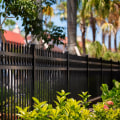
Known for its durability and low maintenance requirements, aluminum fencing offers a sleek and modern look that can complement any home design. Unlike traditional wooden fences that may warp or rot over time, aluminum fences are resistant to rust and corrosion, making them an ideal choice for homeowners in New Zealand's diverse climate. This resilience not only extends the lifespan of your fence but also reduces long-term costs associated with repairs and replacements.In addition to aluminum, there are several other cost-effective fencing options worth considering. From chain link to vinyl, each material presents unique benefits that cater to different needs and preferences.
For instance, chain link fences are often lauded for their affordability and ease of installation, while vinyl fences provide a more decorative touch without the upkeep associated with wood. By exploring these alternatives alongside aluminum fencing, you can find a solution that not only fits your budget but also enhances the overall value of your property.
Understanding Aluminum Fencing
Aluminum fencing has gained significant popularity among homeowners due to its unique combination of durability, aesthetic appeal, and low maintenance requirements. This type of fencing is made from high-quality aluminum, which is known for its strength and resistance to various environmental factors.Benefits of Aluminum Fencing
- Durability: One of the standout features of aluminum fencing is its remarkable durability. Unlike wood, which can rot or warp over time, aluminum is resistant to rust and corrosion.
This makes it an ideal choice for areas with harsh weather conditions, ensuring that your fence will maintain its integrity for many years.
- Low Maintenance: Homeowners appreciate aluminum fencing for its minimal upkeep. Unlike wooden fences that require regular painting or staining, aluminum fences only need occasional cleaning with soap and water to keep them looking their best. This not only saves time but also reduces long-term costs associated with maintenance.
- Aesthetic Appeal: Aluminum fencing comes in a variety of styles and finishes, allowing homeowners to choose a design that complements their property. Whether you prefer a classic look or a more modern aesthetic, there are options available to suit your taste.
The sleek lines and elegant appearance of aluminum fencing can enhance the overall curb appeal of your home.
- Security: While aluminum fencing may not provide the same level of privacy as solid wood or vinyl options, it does offer a secure boundary for your property. The height and design of aluminum fences can deter intruders while still allowing visibility into your yard.
- Eco-Friendly: Aluminum is a recyclable material, making it an environmentally friendly choice for those looking to reduce their carbon footprint. Choosing aluminum fencing contributes to sustainable practices by utilizing materials that can be repurposed at the end of their lifespan.
Cost Considerations
The cost of aluminum fencing can vary based on several factors, including the height of the fence, the style chosen, and the complexity of the installation process. On average, homeowners can expect to pay between NZD 100 to NZD 150 per linear meter for materials alone.
While this may be higher than some other fencing options initially, the long-term savings on maintenance and replacement make it a cost-effective investment.In conclusion, aluminum fencing offers a blend of durability, low maintenance, aesthetic appeal, and security that makes it an attractive option for homeowners in New Zealand. By considering these benefits alongside cost factors, you can make an informed decision that enhances both your property's value and your peace of mind.
Cost Analysis of Aluminum Fencing
When considering an aluminum fence for your property, understanding the cost implications is crucial. This section delves into the various expenses associated with aluminum fencing, including initial purchase prices, installation costs, and long-term maintenance expenses.Initial Purchase Prices
- The cost of aluminum fencing typically ranges from NZD 80 to NZD 120 per linear meter, depending on the quality and style of the fence.
- Higher-end options, such as decorative or custom-designed aluminum fences, can cost upwards of NZD 150 per linear meter.
- It’s essential to consider the gauge of the aluminum; thicker materials tend to be more durable and may come at a higher price point.
Installation Costs
- Installation costs for aluminum fencing can vary significantly based on factors such as terrain, fence height, and local labor rates. On average, homeowners can expect to pay between NZD 50 and NZD 100 per linear meter for professional installation.
- If you opt for DIY installation, you can save on labor costs but should factor in the price of tools and materials needed for proper installation.
- Additional costs may arise if your property requires special preparations, such as grading or clearing land before installation.
Long-Term Maintenance Expenses
- One of the significant advantages of aluminum fencing is its low maintenance requirements.
Unlike wood fences that may need regular staining or painting, aluminum fences are typically powder-coated to resist rust and corrosion.
- Annual maintenance costs are minimal, often limited to occasional cleaning with soap and water to remove dirt and debris.
- Over time, this low-maintenance aspect can lead to substantial savings compared to other fencing materials that require more frequent upkeep.
Comparing Aluminum Fencing with Other Affordable Materials
When considering fencing options for your home, it’s essential to weigh the pros and cons of various materials. Aluminum fencing is a popular choice due to its affordability and low maintenance requirements. However, how does it stack up against other common materials like wood, chain link, and vinyl? Let’s explore these comparisons in detail.Aluminum vs.
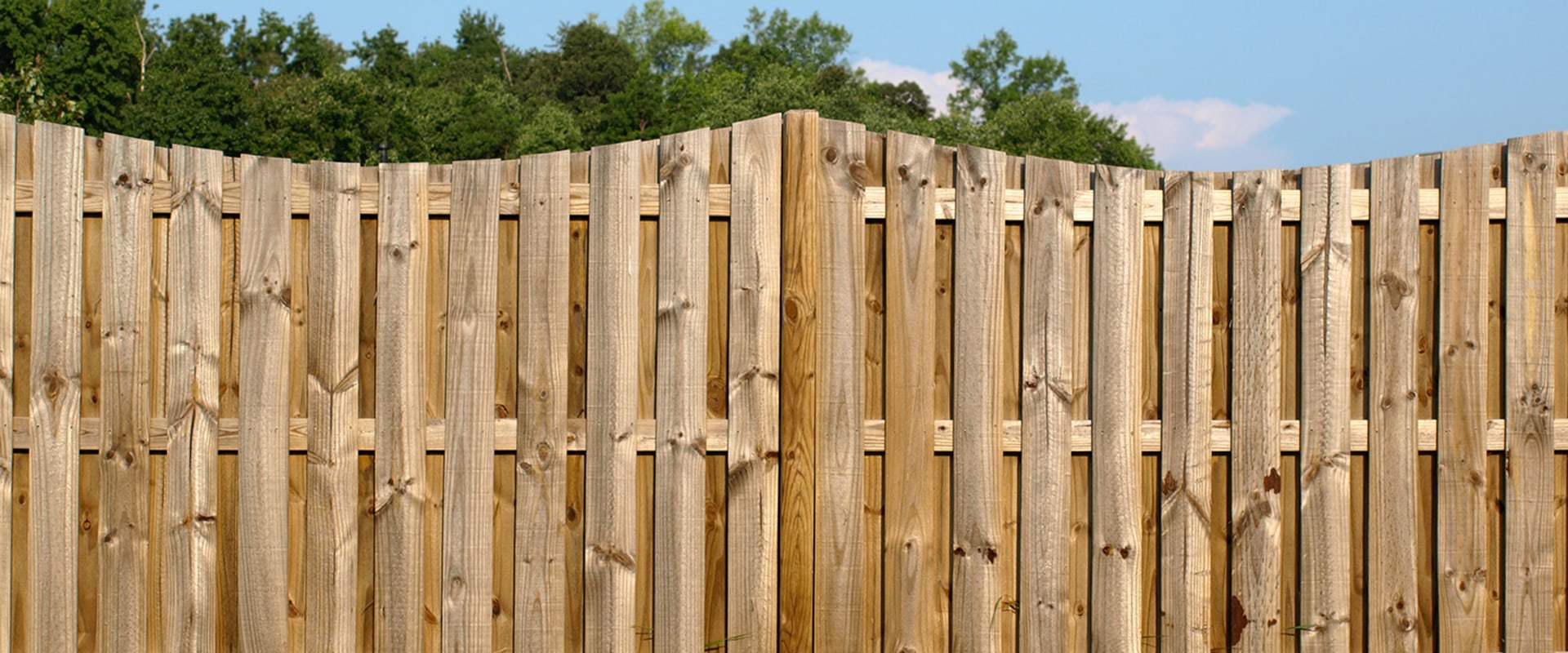
Wood FenceWood fences have long been a traditional choice for homeowners seeking a natural aesthetic. They offer a warm, classic look that can enhance the charm of any property. However, wood requires regular maintenance, including staining or painting, to prevent rot and decay. In contrast, aluminum fencing is resistant to rust and corrosion, making it a more durable option in the long run.
- Maintenance: Aluminum requires minimal upkeep compared to wood.
- Longevity: Aluminum can last for decades without significant wear, while wood may need replacement every 10-15 years.
- Aesthetics: While wood offers a natural look, aluminum can be designed in various styles and finishes to suit modern tastes.
Chain Link vs.
Aluminum FenceChain link fencing is often regarded as one of the most affordable options available. It provides excellent visibility and security but lacks the aesthetic appeal of aluminum. Chain link fences can be easily climbed and do not offer much privacy due to their open design.
- Cost: Chain link is generally cheaper upfront than aluminum but may require more frequent repairs or replacements.
- Security: Both options provide security; however, aluminum can be more challenging to breach due to its sturdier construction.
- Privacy: Aluminum fences can be designed with solid panels for added privacy, unlike chain link fences.
Vinyl vs. Aluminum Fencing
Vinyl fencing has gained popularity for its durability and low maintenance needs.Like aluminum, vinyl does not require painting or staining. However, vinyl can be prone to cracking in extreme temperatures and may not have the same strength as aluminum.
- Durability: Aluminum is generally stronger than vinyl and can withstand harsh weather conditions better.
- Aesthetic Options: Both materials come in various styles; however, aluminum offers a more elegant look that can complement modern architecture.
- Cost Considerations: While vinyl may have a similar price point to aluminum initially, its longevity may not match that of aluminum fencing.
Installation Process for Aluminum Fencing
Installing an aluminum fence can be a rewarding DIY project, but it requires careful planning and execution. Here’s a comprehensive guide to help you through the aluminum fence installation process.Step 1: Planning and Preparation
- Before you begin, check local regulations and obtain any necessary permits.
This ensures compliance with zoning laws and property lines.
- Measure the area where you want to install the fence. Use stakes and string to outline the perimeter, ensuring it is straight and level.
- Decide on the style and height of your aluminum fence. Consider factors such as aesthetics, security, and visibility.
Step 2: Gather Your Materials
- You will need aluminum fence panels, posts, post caps, gates, concrete mix, gravel, and necessary tools such as a level, tape measure, post hole digger, and a power drill.
- Ensure that all materials are compatible with each other. For instance, the panels should fit securely into the posts.
Step 3: Installing the Fence Posts
- Start by digging holes for your posts.
The depth should be at least one-third of the post height to ensure stability.
- Place gravel at the bottom of each hole for drainage before inserting the posts.
- Set each post in place and use a level to ensure they are vertical. Fill the holes with concrete mix to secure them. Allow the concrete to cure as per manufacturer instructions.
Step 4: Attaching the Panels
- Once the posts are set, begin attaching the aluminum panels. Start from one end and work your way to the other.
- Use brackets or screws provided with your fencing kit to secure each panel to its respective post.
Ensure that each panel is level before tightening screws.
Step 5: Installing Gates
- If your design includes gates, install them last. Ensure they swing freely without obstruction.
- Check that gate latches are secure and functional for safety.
When to Hire Professionals
If you feel overwhelmed by any part of this process or if your yard has challenging terrain, it may be wise to hire professionals. They can ensure that your fence is installed correctly and efficiently, saving you time and potential headaches.By following these steps carefully, you can successfully install an aluminum fence that enhances your property’s value while providing security and aesthetic appeal.
Maintenance Tips for Aluminum Fencing
Maintaining your aluminum fence is essential for ensuring its longevity and aesthetic appeal. Unlike wood or vinyl, aluminum fencing is known for its durability and low maintenance requirements.However, regular care can enhance its lifespan and keep it looking pristine. Here are some practical tips for maintaining your aluminum fence:
Regular Cleaning
To prevent dirt, grime, and other debris from accumulating on your aluminum fence, it’s important to clean it regularly. Here’s how:- Use Mild Soap and Water: Mix a solution of mild soap with warm water. Using a soft cloth or sponge, gently scrub the surface of the fence to remove any dirt or stains.
- Rinse Thoroughly: After scrubbing, rinse the fence with clean water to remove any soap residue.
This step is crucial as leftover soap can lead to streaking.
- Avoid Abrasive Cleaners: Steer clear of harsh chemicals or abrasive materials that can scratch the surface of the aluminum. Stick to gentle cleaning agents to maintain the finish.
Inspect for Damage
Regular inspections can help you catch any potential issues before they become significant problems. Look for:- Corrosion: Although aluminum is resistant to rust, it can still corrode under certain conditions. Check for any signs of corrosion, especially in areas where moisture may accumulate.
- Dents or Scratches: Inspect the fence for any physical damage that may have occurred due to impacts or weather conditions.
Addressing these issues promptly can prevent further deterioration.
Protective Measures
To further enhance the durability of your aluminum fence, consider implementing these protective measures:- Apply a Protective Coating: If your aluminum fence has a powder-coated finish, ensure it remains intact. If you notice any chips or scratches, touch them up with a matching paint to prevent oxidation.
- Avoid Direct Contact with Soil: Ensure that the base of your fence does not sit directly in soil or grass, as this can trap moisture and lead to corrosion over time.
Enhancing the Aesthetic Appeal of Aluminum Fences
Aluminum fences are not only a practical choice for security and boundary definition but also offer a canvas for creativity when it comes to enhancing their aesthetic appeal. With a few thoughtful additions and modifications, you can transform a standard aluminum fence into a stunning feature of your property.Painting Your Aluminum Fence
One of the simplest ways to enhance the look of your aluminum fence is through painting.While many aluminum fences come in standard colors like black, white, or bronze, applying a fresh coat of paint can add a personal touch. Here are some tips:
- Choose the Right Paint: Use high-quality exterior paint designed for metal surfaces to ensure durability and weather resistance.
- Consider Color Psychology: Lighter colors can make your yard appear larger, while darker shades can add elegance and sophistication.
- Maintenance: Regularly inspect the paint for chips or fading and touch up as necessary to keep your fence looking fresh.
Incorporating Decorative Elements
Adding decorative elements can significantly enhance the visual appeal of your aluminum fence. Consider these options:- Finials and Caps: Decorative finials or caps on the top of fence posts can add character and style. Choose designs that complement your home’s architecture.
- Custom Panels: Some manufacturers offer custom panels with intricate designs or patterns that can be integrated into your fence.
- Lighting: Installing solar-powered lights along the fence line not only improves visibility at night but also creates an inviting atmosphere.
Landscaping Ideas to Complement Your Fence
The right landscaping can enhance the beauty of your aluminum fence while providing additional privacy.Here are some landscaping ideas:
- Climbing Plants: Vines such as jasmine or clematis can be trained to grow along the fence, adding greenery and softness to the metal structure.
- Flower Beds: Planting colorful flowers or shrubs at the base of the fence can create a vibrant border that draws attention away from the fence itself.
- Decorative Stones or Mulch: Using decorative stones or mulch around the base of the fence can create a clean, polished look while preventing weeds.
Frequently Asked Questions about Aluminum Fencing
When considering an aluminum fence for your property, homeowners often have a range of questions and concerns. Below are some of the most frequently asked questions regarding aluminum fencing, along with clear and concise answers to help you make an informed decision.1.What are the benefits of aluminum fencing?
Aluminum fencing offers numerous advantages, including:- Durability: Aluminum is resistant to rust and corrosion, making it ideal for various weather conditions.
- Low Maintenance: Unlike wood or wrought iron, aluminum requires minimal upkeep, as it does not need painting or staining.
- Aesthetic Appeal: Available in various styles and colors, aluminum fences can enhance the visual appeal of your property.
- Security: While not as secure as some other materials, aluminum fences can still provide a deterrent against intruders when installed correctly.
2.How long does an aluminum fence last?
With proper installation and maintenance, an aluminum fence can last for several decades. Many manufacturers offer warranties ranging from 20 to 30 years, reflecting the material's durability and longevity.3.Is aluminum fencing suitable for pets?
Yes, aluminum fencing can be a great option for pet owners. However, it is essential to consider the spacing between the pickets.Ensure that the gaps are narrow enough to prevent small pets from slipping through. Additionally, taller fences can help keep larger dogs contained.
4.How does the cost of aluminum fencing compare to other materials?
While the initial cost of aluminum fencing may be higher than options like chain link or wood, its low maintenance requirements and long lifespan often make it more cost-effective in the long run. Homeowners should weigh both initial investment and long-term savings when making their choice.5.Can I install an aluminum fence myself?
While it is possible to install an aluminum fence as a DIY project, it requires careful planning and precise measurements. If you lack experience in fencing installation, hiring a professional may ensure a more secure and aesthetically pleasing result.If you have further questions or specific concerns about aluminum fencing, consulting with a fencing expert can provide tailored advice based on your unique needs and property layout.Conclusion: Making the Right Choice for Your Home's Fencing Needs
In conclusion, selecting the right fencing material for your home is a crucial decision that can significantly impact both your property's aesthetics and functionality.Throughout this article, we have explored various affordable fencing options, with a particular focus on aluminum fencing. This material stands out not only for its cost-effectiveness but also for its durability and low maintenance requirements.When considering your fencing needs, it is essential to evaluate several factors:
- Purpose: Determine whether you need a fence for security, privacy, or simply to enhance your garden's appearance. Aluminum fences provide a good balance of visibility and security, making them suitable for many homeowners.
- Maintenance: One of the significant advantages of aluminum fencing is its minimal upkeep. Unlike wood, which may require regular staining or painting, aluminum is resistant to rust and corrosion, allowing you to enjoy your fence without constant care.
- Aesthetics: Aluminum fences come in various styles and finishes, allowing you to choose a design that complements your home’s architecture.
Whether you prefer a classic look or something more modern, there are options available to suit your taste.
- Budget: While initial costs are important, consider the long-term savings associated with lower maintenance and replacement costs. Aluminum fencing often proves to be a wise investment over time.
Make sure to weigh all options carefully before making your final choice.