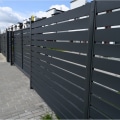
When considering options for fencing, aluminum fencing stands out as a popular choice among homeowners and property developers alike. Known for its durability and low maintenance requirements, aluminum fencing offers a perfect blend of functionality and aesthetic appeal. Unlike traditional wood or wrought iron fences, aluminum does not rust, warp, or require regular painting, making it an ideal solution for those seeking a long-lasting boundary solution.The benefits of aluminum fencing extend beyond its resilience. One of the most significant advantages is its versatility in design.
Available in various styles, colors, and heights, aluminum fences can complement any architectural style or landscape. Whether you prefer a classic picket fence look or a more modern, sleek design, there is an aluminum option to suit your taste. Additionally, aluminum fencing is lightweight yet strong, allowing for easy installation without compromising on security.There are several types of aluminum fences to consider, each tailored to meet specific needs and preferences. For instance, pool fences are designed with safety in mind, featuring self-closing gates and heights that comply with local regulations.
Meanwhile, decorative fences can enhance the visual appeal of your garden or yard while providing a secure perimeter. Furthermore, ornamental aluminum fences offer intricate designs that add elegance to any property while maintaining the strength and durability characteristic of aluminum.Understanding the various types of aluminum fencing available is crucial when planning your installation. Proper installation not only ensures the fence's longevity but also maximizes its effectiveness in providing security and enhancing your property's value. As we delve deeper into the best practices for setting fence posts, it becomes clear that the foundation laid during installation plays a pivotal role in the overall performance of your aluminum fence.
Why Properly Setting Fence Posts Matters
Setting fence posts correctly is crucial for the overall integrity and longevity of your fencing system.When fence posts are not installed properly, it can lead to a range of issues that compromise the effectiveness of the fence. One of the most common problems is sagging , which occurs when the posts cannot adequately support the weight of the fence panels. This sagging not only affects the aesthetic appeal of your fence but can also lead to structural failure over time.Another significant concern is instability. If posts are not anchored securely in the ground, they can shift or lean, especially during adverse weather conditions such as strong winds or heavy rain.
This instability can create gaps in your fence, allowing pets or livestock to escape and unwanted animals to enter your property.Moreover, improperly set posts can lead to increased wear and tear on the materials used in your fence. For instance, if a post shifts, it can cause undue stress on the panels attached to it, leading to cracks or breaks. This not only necessitates costly repairs but can also shorten the lifespan of your entire fencing system.To ensure that your fence remains functional and visually appealing for years to come, it is essential to consider several factors during installation:
- Soil Type: Different soil types have varying levels of stability and drainage capabilities. Understanding your soil composition can help you choose the right method for setting your posts.
- Post Depth: The depth at which you set your posts plays a critical role in their stability.
Generally, deeper holes provide better anchorage.
- Drainage: Proper drainage around the post is vital to prevent water accumulation, which can lead to rot and decay.
Tools and Materials Needed for Setting Aluminum Fence Posts
Setting up an aluminum fence requires careful planning and the right tools and materials to ensure a successful installation. Below is a comprehensive checklist of essential items you will need to effectively set your aluminum fence posts.- Tools:
- Post Hole Digger: This tool is crucial for digging holes deep enough to accommodate your fence posts. A manual or powered post hole digger can save you time and effort.
- Level: A level is essential for ensuring that your posts are perfectly vertical.
This will help prevent leaning or sagging over time.
- Tape Measure: Accurate measurements are vital when spacing your posts. A tape measure will help you maintain consistent distances between each post.
- Shovel: A shovel may be needed for clearing debris or adjusting the size of the holes dug for the posts.
- Rubber Mallet: This tool can be used to gently tap the posts into place without damaging them, especially when working with aluminum materials.
- Drill: A power drill is necessary for securing brackets and other hardware to the posts and panels. Make sure to have drill bits suitable for metal.
- Screwdriver: A screwdriver will be needed for fastening screws and securing components of the fence together.
- Materials:
- Aluminum Fence Panels: Choose high-quality aluminum panels that suit your design preferences and meet local regulations.
- Fence Posts: Ensure you have enough aluminum posts to support your fence structure. Consider using heavier gauge posts for added strength.
- Concrete Mix: If you plan to set your posts in concrete, a quick-setting concrete mix is recommended for stability and durability.
- Gravel: Using gravel at the bottom of the post holes can improve drainage and prevent water accumulation around the posts, which is crucial for longevity.
- Screws and Brackets: These are necessary for securing the panels to the posts.
Make sure they are compatible with aluminum to avoid corrosion.
Step-by-Step Guide to Setting Aluminum Fence Posts
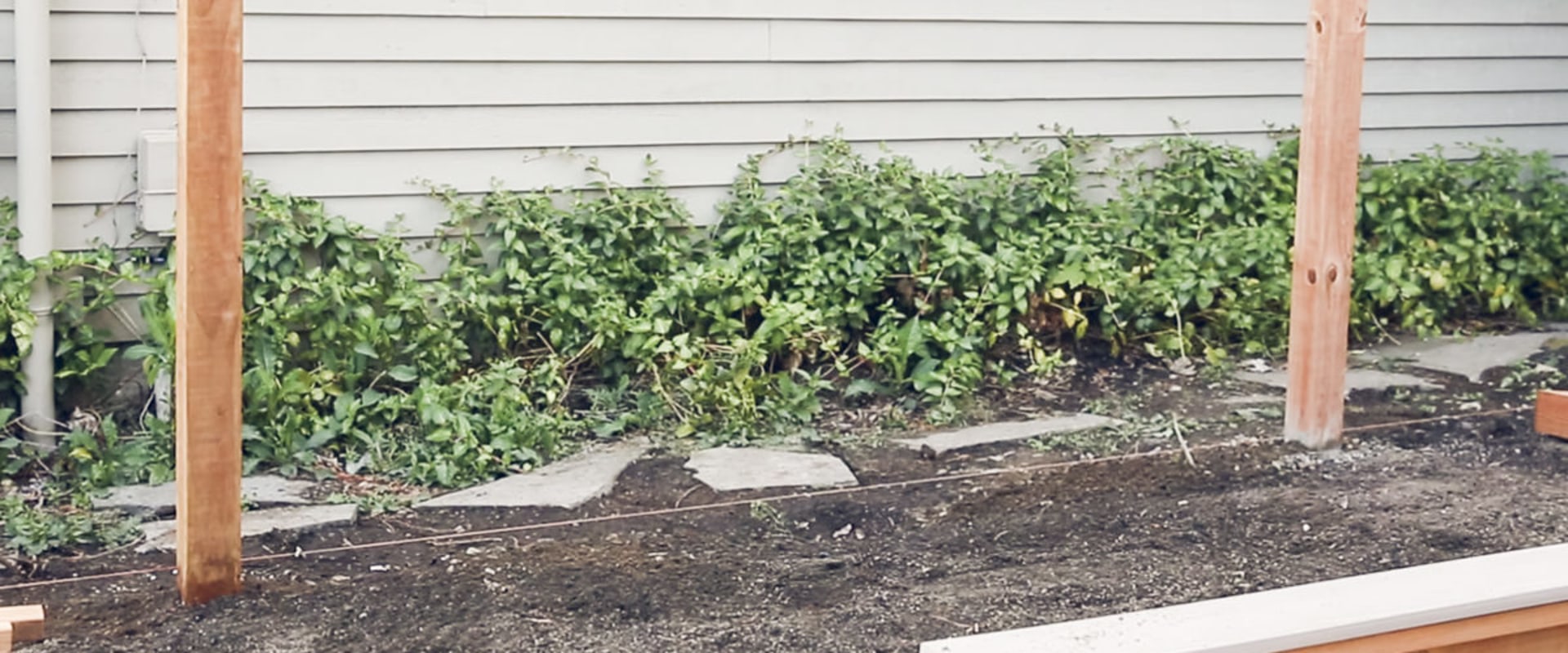
Setting aluminum fence posts requires careful planning and execution to ensure a sturdy and long-lasting installation. Follow this step-by-step guide to achieve the best results.- Planning and Measuring: Before you start digging, take the time to plan your fence layout. Use stakes and string to outline where the fence will go. Measure the distance between each post, typically 1.8 to 2.4 meters apart, depending on your design.
Ensure that your measurements are accurate to avoid any misalignment.
- Gathering Materials: You will need aluminum fence posts, concrete mix, gravel, a post hole digger or auger, a level, and a measuring tape. Having all your materials ready will streamline the installation process.
- Digging Holes: Using a post hole digger or auger, dig holes for each post. The depth of the holes should be at least one-third of the post height above ground. For example, if your fence is 1.5 meters tall, dig at least 0.5 meters deep.
This depth helps provide stability against wind and other forces.
- Adding Gravel for Drainage: Place a few inches of gravel at the bottom of each hole before inserting the post. This layer aids in drainage, preventing water from accumulating around the base of the post, which can lead to corrosion over time.
- Setting the Posts: Insert the aluminum posts into the holes, ensuring they are vertical using a level. It’s crucial that each post is straight before securing it in place.
- Securing with Concrete: Mix your concrete according to package instructions and pour it into the hole around the post. Fill it up to ground level and use a trowel to smooth out the surface.
Allow the concrete to cure for at least 24-48 hours before proceeding with attaching panels or gates.
- Final Adjustments: After the concrete has set, double-check that all posts are still level and aligned. Make any necessary adjustments before installing your fence panels.
Choosing the Right Depth for Your Fence Posts
When it comes to installing an aluminum fence, one of the most critical factors to consider is the depth at which you set your fence posts. The depth not only affects the overall stability of the fence but also its longevity and resistance to environmental factors. Here are some key considerations to keep in mind when determining the appropriate depth for your fence posts.Soil Type
- Loose Soil: If your property has loose or sandy soil, it is advisable to set your posts deeper than the standard recommendation.
This extra depth helps anchor the posts securely, preventing them from shifting or leaning over time.
- Clay Soil: Clay can expand and contract with moisture changes, which may affect post stability. In such cases, a depth of at least 600mm (24 inches) is often recommended to ensure that the posts are well-anchored.
- Rocky Soil: If you encounter rocky soil, you may need to adjust your installation method. In some instances, it might be necessary to use a post driver or auger to create a suitable hole without damaging the surrounding rock.
Climate Considerations
The climate in your area plays a significant role in determining how deep you should set your fence posts. For regions that experience heavy rainfall or snow, deeper posts can help prevent water accumulation around the base, which can lead to rot or corrosion over time.
Conversely, in drier climates, a shallower depth may suffice, but it’s still essential to ensure adequate drainage.
General Guidelines
A common rule of thumb for setting fence posts is to bury one-third of the post's total length. For example, if you have a 1.8-meter (6-foot) aluminum fence post, aim for a depth of approximately 600mm (24 inches). However, this can vary based on the factors mentioned above.
Conclusion
Ultimately, taking the time to assess your soil type and climate conditions will pay off in the long run. Properly setting your aluminum fence posts at the right depth will enhance their stability and durability, ensuring that your fence remains upright and functional for years to come.
Concrete vs.
Alternative Methods: What’s Best for Aluminum Fences?When it comes to setting aluminum fence posts, the choice of method can significantly impact the durability and stability of your fence. Two of the most common methods are using concrete and opting for alternatives like gravel or sand. Each method has its own set of advantages and disadvantages that should be carefully considered before making a decision.
Concrete: The Traditional Choice
- Stability: Concrete provides a solid foundation that can withstand harsh weather conditions, making it an excellent choice for areas prone to high winds or heavy rainfall.
- Longevity: When properly mixed and set, concrete can last for decades without significant degradation, ensuring that your aluminum fence remains upright and secure.
- Resistance to Movement: Concrete minimizes the risk of post movement due to soil erosion or shifting, which is particularly important for taller fences.
- Installation Time: Setting posts in concrete requires more time and effort, as you need to mix the concrete and allow it to cure properly.
- Drainage Issues: If not installed correctly, concrete can trap moisture around the post, leading to potential rot or corrosion over time.
Alternatives: Gravel and Sand
- Ease of Installation: Using gravel or sand is generally quicker and easier than mixing concrete. You simply fill the hole around the post with your chosen material and compact it.
- Better Drainage: Gravel, in particular, allows for excellent drainage, reducing the risk of water accumulation around the post.
- Flexibility: If you need to adjust or remove a post later on, gravel or sand makes this process much simpler compared to concrete.
- Less Stability: While gravel and sand can provide adequate support, they may not offer the same level of stability as concrete, especially in areas with loose soil.
- Potential for Movement: Over time, posts set in gravel or sand may shift due to soil erosion or settling, which could compromise the integrity of your fence.
The best choice ultimately depends on your specific needs, local climate conditions, and how permanent you want your installation to be. For those seeking long-term stability and durability, concrete remains a reliable option. However, if ease of installation and drainage are top priorities, gravel or sand may be more suitable alternatives.
Common Mistakes to Avoid When Setting Fence Posts
Setting fence posts can be a straightforward task, but there are several common mistakes that can lead to significant issues down the line. By being aware of these pitfalls, you can ensure a more successful installation of your aluminum fence.Here are some frequent errors to avoid:
- Inadequate Depth: One of the most critical aspects of setting fence posts is ensuring they are buried deep enough. A common mistake is not digging deep enough, which can lead to instability. As a rule of thumb, the hole should be at least one-third the height of the post above ground. For taller fences, this depth becomes even more crucial.
- Poor Drainage: Failing to consider drainage can result in water pooling around the base of the post, leading to rot and deterioration over time.
Always ensure that the bottom of the hole has gravel or a similar material to facilitate drainage and prevent moisture accumulation.
- Neglecting Soil Type: Different soil types require different approaches. For instance, sandy soils may not hold posts securely without additional support, while clay soils can retain too much moisture. Understanding your soil type and adjusting your installation method accordingly is essential.
- Skipping Concrete: While some may think that simply packing dirt around the post is sufficient, using concrete provides added stability and longevity. This is especially important for an aluminum fence, which can be affected by wind and other environmental factors.
- Not Using a Level: It’s easy to assume that a post is straight, but using a level during installation is crucial.
A crooked post not only looks unappealing but can also compromise the integrity of the entire fence line.
- Ignoring Local Regulations: Before starting your project, check local building codes and regulations regarding fence height and placement. Ignoring these guidelines can lead to fines or having to remove your newly installed fence.
Maintenance Tips for Your Aluminum Fence Posts
Maintaining your aluminum fence posts is crucial for ensuring their longevity and aesthetic appeal. Unlike traditional wooden fences, aluminum fences are known for their durability and resistance to rust and corrosion.However, regular maintenance is still necessary to keep them looking their best and functioning effectively.
Regular Cleaning
One of the simplest yet most effective ways to maintain your aluminum fence posts is through regular cleaning. Over time, dirt, grime, and environmental pollutants can accumulate on the surface, dulling the finish and potentially leading to corrosion. To clean your fence:- Use a mild detergent: Mix warm water with a gentle soap or detergent. Avoid harsh chemicals that can damage the finish.
- Soft cloth or sponge: Use a soft cloth or sponge to gently scrub the surface of the posts.
This will help remove any buildup without scratching the aluminum.
- Rinse thoroughly: After cleaning, rinse the posts with clean water to remove any soap residue.
Inspect for Damage
Regular inspections are essential for identifying any potential issues before they become significant problems. Check your aluminum fence posts at least twice a year for:- Dents or scratches: Look for any physical damage that may have occurred due to impacts or severe weather conditions.
- Loose fittings: Ensure that all screws and brackets are secure. Tighten any loose components to maintain structural integrity.
- Signs of corrosion: Although aluminum is resistant to rust, it can still corrode under certain conditions. Look for white powdery spots or discoloration.
Repairs and Touch-Ups
If you notice any damage during your inspections, it’s important to address it promptly.For minor scratches or dents, you can:
- Touch up paint: Use a matching paint specifically designed for aluminum surfaces to cover scratches and prevent further corrosion.
- Replace damaged parts: If a post or panel is severely damaged, consider replacing it entirely rather than attempting a repair.
Frequently Asked Questions About Setting Aluminum Fence Posts
Setting aluminum fence posts can raise several questions, especially for those new to fence installation. Below are some frequently asked questions that can help clarify common concerns and provide guidance for a successful installation.What is the best depth for setting aluminum fence posts?
The depth at which you set your aluminum fence posts largely depends on the height of the fence and local soil conditions. As a general rule, you should aim for a depth of at least one-third of the total height of the post.For example, if your fence is 1.8 meters tall, the posts should be buried at least 60 centimeters deep. This ensures stability and helps prevent leaning or sagging over time.
Do I need to use concrete when setting aluminum fence posts?
While it is not strictly necessary to use concrete for aluminum fence posts, it is highly recommended for added stability. Concrete provides a solid foundation that can withstand wind and other environmental factors. If you choose not to use concrete, ensure that the soil is well-compacted and that you have adequate drainage to prevent water accumulation around the posts.How do I ensure proper drainage when setting my posts?
Proper drainage is crucial to prolonging the life of your aluminum fence posts.To achieve this, consider the following steps:
- Dig a hole that is wider than the post itself to allow for drainage.
- Add a layer of gravel at the bottom of the hole before placing the post. This helps water flow away from the base.
- Ensure that the top of the concrete or soil is sloped away from the post to facilitate runoff.
What should I do if my aluminum fence post starts to lean?
If you notice that your aluminum fence post is leaning, it may be due to inadequate support or poor drainage. To fix this issue:- Remove any soil or debris around the base of the post.
- Check for proper drainage; if water is pooling, adjust the surrounding soil or add gravel.
- If necessary, dig out the post and reset it in concrete or compacted soil to ensure it stands straight.
Can I install aluminum fence posts in winter?
Yes, you can install aluminum fence posts in winter; however, be mindful of frozen ground conditions. If the ground is too hard, it may be challenging to dig holes.In such cases, consider using a post hole auger or waiting for a thaw to ensure proper installation.By addressing these common questions, you can approach your aluminum fence installation with confidence and ensure a sturdy and long-lasting result.
Conclusion: Ensuring a Strong Foundation for Your Aluminum Fence
In conclusion, the installation of an aluminum fence is not merely about aesthetics; it is fundamentally about creating a robust and lasting structure that can withstand the test of time. The methods discussed throughout this article highlight the significance of proper post setting techniques, which are crucial for ensuring the longevity and stability of your fence.To recap, here are some essential points to consider when setting your aluminum fence posts:- Choose the Right Location: Before you begin, assess your property and determine the best placement for your fence. Consider factors such as local regulations, property lines, and any potential obstacles like trees or underground utilities.
- Understand Soil Conditions: The type of soil in your area plays a vital role in how well your posts will hold. Sandy soils may require different techniques compared to clay or loamy soils.
Always test the soil to understand its drainage capabilities.
- Proper Depth and Width: Digging a hole that is deep enough is essential for stability. A general rule of thumb is to bury at least one-third of the post's height in the ground. This depth helps anchor the post securely against wind and other forces.
- Use Quality Materials: Investing in high-quality concrete or gravel for setting your posts can make a significant difference. Ensure that you use materials that are suitable for your specific climate and soil conditions.
- Ensure Adequate Drainage: Water accumulation around fence posts can lead to rot and instability.
Incorporating gravel at the bottom of the hole before adding concrete can facilitate drainage and prolong the life of your posts.
- Regular Maintenance: After installation, regular checks on your fence can help identify any issues early on. Look for signs of wear or instability, especially after severe weather events.