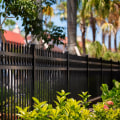
When considering options for fencing, aluminum fencing stands out as a premier choice for homeowners seeking a blend of durability, aesthetic appeal, and low maintenance. Unlike traditional wooden or vinyl fences, aluminum fences are resistant to rust and corrosion, making them an ideal solution for various climates, including the diverse weather conditions found in New Zealand. This resilience ensures that your investment will last for years without the need for frequent repairs or replacements.One of the most significant advantages of aluminum fencing is its lightweight nature, which simplifies the installation process. With the right techniques and tools, setting up aluminum fence posts can be a straightforward task, allowing you to achieve a professional-looking result without hiring expensive contractors.
This ease of installation not only saves you money but also empowers you to take control of your outdoor space.Moreover, aluminum fencing offers a range of styles and finishes that can enhance the visual appeal of your property. Whether you prefer a classic wrought-iron look or a modern minimalist design, there is an aluminum fence style to suit every taste. The versatility in design allows homeowners to create boundaries that complement their landscaping while providing security and privacy.As we delve deeper into the process of installing aluminum fence posts, it’s essential to understand that proper installation is crucial for maximizing the benefits of your fence. From ensuring stability to maintaining alignment, each step in the installation process contributes to the overall effectiveness and longevity of your aluminum fencing.
In the following sections, we will explore practical tips and techniques to make your aluminum fence installation as seamless as possible.
Understanding Aluminum Fence Posts
When it comes to installing an aluminum fence, understanding the different types of aluminum fence posts available is essential for achieving a durable and aesthetically pleasing result. Aluminum posts are not only lightweight but also resistant to rust and corrosion, making them an ideal choice for various climates.Types of Aluminum Fence Posts
- Line Posts: These are the most common type of posts used in fencing. They are designed to support the fence panels and maintain a straight line. Line posts typically have a hollow design, allowing for easy installation and adjustment.
- Corner Posts: As the name suggests, corner posts are used at the corners of a fence.
They provide additional strength and stability, ensuring that the fence maintains its shape even under stress.
- End Posts: End posts are used at the termination points of a fence run. They help anchor the last panel securely and prevent sagging.
- Gate Posts: These posts are specifically designed to support gates. They are usually thicker and more robust than standard line posts to handle the weight and movement of the gate.
Aluminum Fence Post Specifications
When selecting aluminum fence posts, consider the following specifications:
- Height: Aluminum posts come in various heights, typically ranging from 1.5 meters to 2.4 meters. The height you choose should correspond with your fencing needs and local regulations.
- Thickness: The thickness of the post wall can affect durability.
A thicker wall (around 1.2 mm) is generally more robust and can withstand harsher conditions.
- Finish: Aluminum posts can be powder-coated or anodized for added protection against the elements. A powder-coated finish offers a wide range of colors and is more resistant to fading.
Choosing the Right Post
Selecting the right aluminum fence post involves considering several factors:
- Purpose: Determine what you need the post for—whether it’s for a straight run, corner, end, or gate.
- Local Regulations: Check with local authorities regarding height restrictions or specific requirements for fencing materials.
- Aesthetic Preferences: Choose a style and finish that complements your property’s design while ensuring functionality.
Tools and Materials Needed for Installation
When it comes to installing aluminum fence posts, having the right tools and materials is essential for a smooth and efficient process. Below is a comprehensive list of what you will need to ensure your installation goes off without a hitch.Essential Tools
- Post Hole Digger: This tool is crucial for digging holes for your fence posts. A manual post hole digger or a power auger can save you time and effort.
- Level: A spirit level will help you ensure that each post is perfectly vertical, which is vital for the overall appearance and stability of your fence.
- Tape Measure: Accurate measurements are key to a successful installation.
A tape measure will help you determine the correct spacing between posts.
- Hammer or Mallet: You’ll need a hammer or rubber mallet to drive in any stakes or spikes that secure the posts in place.
- Saw: If you need to cut your aluminum fence panels or posts to size, a hacksaw or reciprocating saw will be necessary.
- Drill: A power drill with appropriate bits will be useful for making pilot holes and securing screws if your installation requires it.
- Safety Gear: Don’t forget to wear gloves, safety glasses, and sturdy footwear to protect yourself during the installation process.
Materials Required
- Aluminum Fence Panels: Choose high-quality panels that suit your design preferences and meet local regulations.
- Fence Posts: Ensure you have enough aluminum posts to support your fence design. Typically, one post is needed for every 6-8 feet of fencing.
- Concrete Mix: If you’re setting your posts in concrete, purchase a suitable concrete mix to provide stability.
- Gravel: Adding gravel at the bottom of the post holes can improve drainage and prevent water from pooling around the base of the posts.
- Screws and Fasteners: Depending on your fence design, you may need screws or other fasteners to secure panels to posts.
Preparing the Site for Installation
Before embarking on the installation of your aluminum fence, it is crucial to prepare the site adequately. Proper site preparation not only ensures a smoother installation process but also contributes to the longevity and stability of your fence.Here are the essential steps to follow:
1.Clearing the Area
The first step in preparing your site is to clear the area where the fence will be installed. This involves removing any obstacles that may hinder the installation process. Take the time to:- Clear away rocks, branches, and debris that may obstruct your work.
- Trim back any overgrown vegetation or shrubs that could interfere with the placement of your fence posts.
- Ensure that there are no underground utilities in the area. It’s advisable to contact local utility companies to mark any buried lines before you start digging.
2.Marking Post Locations
Once the area is cleared, the next step is to accurately mark where each fence post will be placed.This is a critical part of the installation process, as precise measurements will lead to a more professional-looking fence. To mark post locations:
- Use a measuring tape to determine the distance between each post. A common spacing for aluminum fences is between 1.8 to 2.4 meters, depending on the design and purpose of your fence.
- Mark each location with a stake or spray paint, ensuring that they are aligned in a straight line for a uniform appearance.
- Double-check your measurements before proceeding, as adjustments can be more challenging once you start digging.
3.Checking Local Regulations
Before you begin installation, it’s essential to check with your local council or building authority regarding any regulations or permits required for installing a fence in your area. This may include:- Height restrictions for fences in residential areas.
- Setback requirements from property lines.
- Any specific materials or construction methods mandated by local laws.
This preparation phase is vital for achieving a successful and aesthetically pleasing installation.
Step-by-Step Guide to Installing Aluminum Fence Posts
Installing aluminum fence posts can be a straightforward process, especially when you opt for methods that minimize digging and the need for extensive tools. Below is a detailed step-by-step guide to help you through the installation of aluminum fence posts.- Gather Your Materials and Tools: Before you begin, ensure you have all necessary materials at hand. You will need aluminum fence posts, concrete mix (if applicable), a post spike or anchor system, a level, a measuring tape, and a hammer. Having these items ready will streamline your installation process.
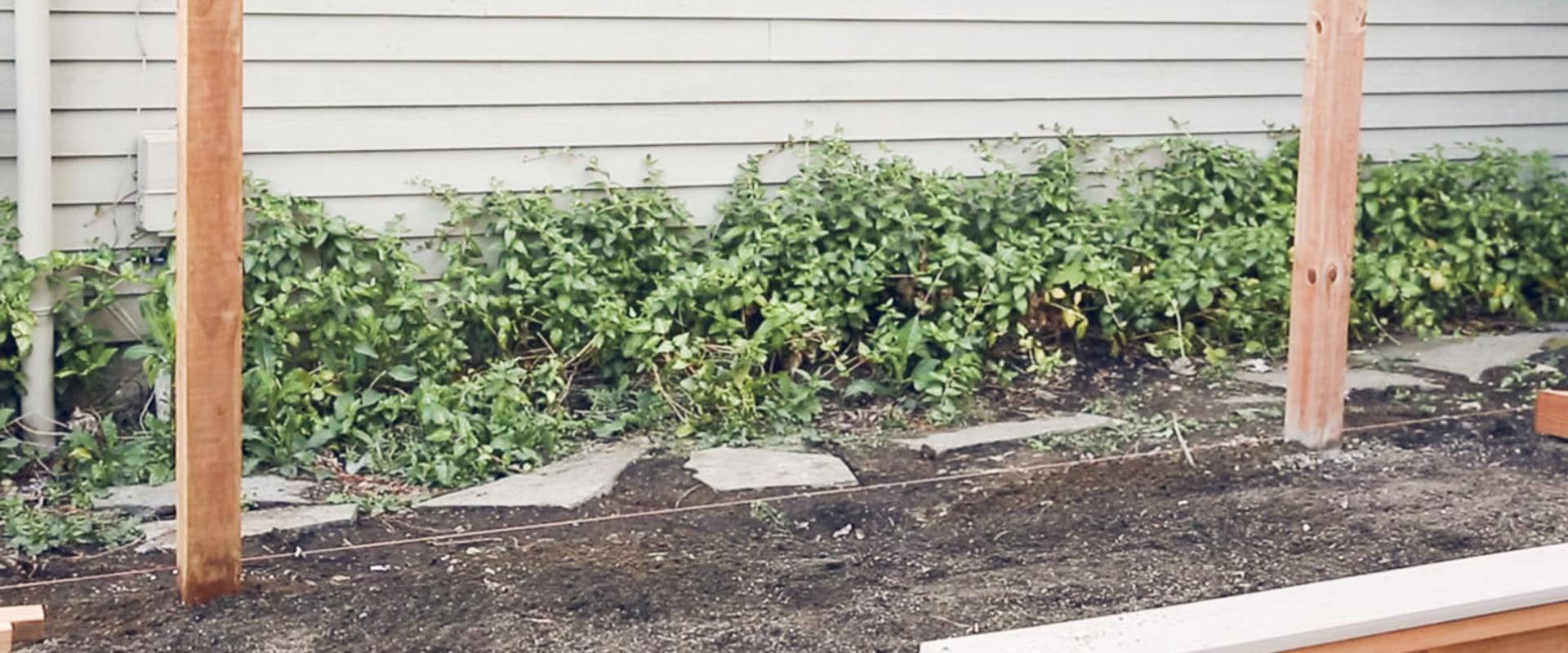
- Mark the Layout: Use stakes and string to outline where your fence will go.
This will help you visualize the layout and ensure that your posts are evenly spaced. Typically, aluminum fence posts should be spaced between 1.8 to 2.4 meters apart, depending on the design of your fence.
- Determine Post Locations: Measure and mark the exact locations for each post. It’s crucial to ensure that these marks are straight and aligned with your layout. A good practice is to use a chalk line to create a straight reference line.
- Install Post Spikes: If you are using post spikes, position them at the marked locations.
These spikes can be driven into the ground without the need for digging deep holes. Use a hammer to drive the spikes into the ground until they are secure and level with the surface.
- Attach Aluminum Posts: Once the spikes are in place, slide your aluminum posts into the spikes. Ensure that each post is vertical by using a level. Adjust as necessary before securing them in place.
- Secure with Concrete (Optional): For added stability, especially in windy areas, consider pouring concrete around the base of each post after positioning them in the spikes.
Mix your concrete according to package instructions and pour it around the base of each post, ensuring it is level.
- Check Alignment: After all posts are installed, double-check their alignment and verticality. Make any necessary adjustments before allowing concrete to set if used.
- Finish Up: Once everything is secure and aligned, allow any concrete to cure as per manufacturer instructions. After curing, you can proceed with attaching your fence panels to complete your aluminum fence installation.
Common Mistakes to Avoid When Installing Fence Posts
Installing fence posts can be a straightforward task, but many homeowners encounter common pitfalls that can lead to frustration and subpar results.By being aware of these mistakes, you can ensure a smoother installation process and achieve a professional-looking fence.
1.Inadequate Planning
One of the most significant errors is failing to plan adequately before starting the installation. This includes not measuring the area properly or neglecting to mark the locations of each post. Without a clear plan, you may end up with uneven spacing or misaligned posts, which can compromise the integrity and appearance of your fence.2.Ignoring Local Regulations
Many homeowners overlook local building codes and regulations regarding fence height and placement. Before you begin, check with your local council to ensure compliance with any restrictions.This can save you from potential fines or the need to remove and reinstall your fence later.
3.Incorrect Hole Depth
Another common mistake is not digging holes deep enough for the fence posts. A general rule of thumb is to bury at least one-third of the post's length in the ground. For taller fences, this may mean digging deeper than you initially planned. Insufficient depth can lead to instability, especially in windy conditions.4.Neglecting to Use Concrete
While some may think that simply placing the post in the hole is sufficient, using concrete is essential for stability.Concrete helps anchor the post securely and prevents it from shifting over time. Ensure that you allow adequate curing time for the concrete before attaching any panels or gates.
5.Failing to Check for Level
It’s crucial to check that each post is level as you install them. A crooked post not only looks unappealing but can also affect the overall structure of your fence. Use a level tool during installation to ensure each post is perfectly vertical.6.Rushing the Process
Finally, one of the biggest mistakes is rushing through the installation process.Take your time to ensure each step is done correctly, from measuring and digging to setting and leveling posts. A rushed job often leads to errors that can be costly in terms of both time and materials.By avoiding these common mistakes, you can streamline your fence post installation process and achieve a durable, attractive aluminum fence that enhances your property’s value and appeal.
Maintaining Your Aluminum Fence Posts
Maintaining your aluminum fence posts is crucial for ensuring their longevity and preserving the aesthetic appeal of your property. Unlike traditional wooden fences, aluminum fences are known for their durability and resistance to rust and corrosion. However, they still require some care to keep them looking their best.Regular Cleaning
- To maintain the appearance of your aluminum fence posts, it’s important to clean them regularly.
Use a mild detergent mixed with water and a soft cloth or sponge to wipe down the surfaces. This will help remove dirt, grime, and any potential stains.
- Avoid using abrasive cleaners or scrubbers, as these can scratch the surface of the aluminum and lead to corrosion over time.
Inspect for Damage
Periodically inspect your fence posts for any signs of damage, such as dents or scratches. If you notice any imperfections, address them promptly to prevent further deterioration. Minor scratches can often be touched up with a suitable paint designed for aluminum surfaces.
Check Fasteners and Connections
- Ensure that all fasteners and connections are secure.
Over time, screws and bolts may loosen due to environmental factors or regular wear and tear. Tightening these components will help maintain the structural integrity of your fence.
- If you find any rust on fasteners, replace them with stainless steel options to prevent future rusting.
Protect Against Weather Elements
While aluminum is resistant to many weather conditions, it’s still wise to take precautions against extreme weather. In areas prone to heavy snow or ice, consider using protective covers during winter months to prevent unnecessary stress on the posts.
Longevity Tips
- To enhance the lifespan of your aluminum fence posts, consider applying a protective sealant every few years. This can provide an additional layer of protection against UV rays and environmental pollutants.
- Additionally, ensure that vegetation does not grow too close to the fence.
Plants can trap moisture against the posts, leading to potential corrosion over time.
FAQs About Installing Aluminum Fence Posts
When it comes to installing aluminum fence posts, many homeowners have questions that can impact their installation process. Below are some of the most frequently asked questions regarding aluminum fencing and the installation of its posts.1.What tools do I need to install aluminum fence posts?
To successfully install aluminum fence posts, you will need a few essential tools:- Post hole digger or auger for digging holes.
- Level to ensure your posts are straight.
- Tape measure for accurate spacing between posts.
- Concrete mix if you plan to set the posts in concrete.
- Screwdriver or wrench for securing brackets and panels.
- Safety gear , including gloves and goggles.
2.How deep should I dig the holes for aluminum fence posts?
The depth of the holes for your aluminum fence posts is crucial for stability. Generally, you should aim to dig holes that are at least one-third of the post's total length.For example, if your post is 2.4 meters tall, the hole should be approximately 800 mm deep. However, local regulations may vary, so it's wise to check with your local council for specific requirements.
3.Can I install aluminum fence posts in rocky soil?
Installing aluminum fence posts in rocky soil can be challenging but not impossible. You may need to use a post hole auger or a jackhammer to break through the rock. Alternatively, consider using a concrete base to secure the post if digging becomes too difficult.4.How long does it take to install aluminum fence posts?
The time required to install aluminum fence posts can vary based on several factors, including the number of posts and the complexity of your layout.On average, you can expect to spend a few hours to a full day for a standard installation involving several posts.
5.Do I need a permit to install an aluminum fence?
In many areas, installing an aluminum fence may require a permit, especially if it exceeds a certain height or is located near property lines. Always check with your local building authority before starting your project to ensure compliance with local regulations.By addressing these common queries, you can approach your aluminum fence installation with greater confidence and clarity, ensuring a successful outcome for your fencing project.Conclusion: Key Takeaways for Successful Installation
Successfully installing aluminum fence posts requires careful planning and execution. Here are the key takeaways to ensure your installation is both efficient and effective:- Preparation is Crucial: Before you begin, take the time to plan your layout. Mark the positions of your posts accurately to avoid any misalignment.
Use a measuring tape and stakes to outline the fence line clearly.
- Choose the Right Tools: While installing aluminum fence posts can be straightforward, having the right tools on hand will make the process smoother. Essential tools include a post hole digger, level, and concrete mix for securing the posts.
- Understand Local Regulations: Always check with local authorities regarding any permits or regulations that may apply to your fencing project. This can save you from potential fines or having to redo work later.
- Digging Holes: When digging holes for your posts, ensure they are deep enough—typically one-third of the post length should be buried. This depth provides stability and helps prevent leaning or shifting over time.
- Use Concrete Wisely: If you opt for concrete to secure your posts, mix it according to the manufacturer's instructions.
Pour it into the hole around the post and allow it to set properly before attaching panels.
- Check Alignment: As you install each post, use a level to ensure they are straight. Misaligned posts can lead to an uneven fence line, affecting both aesthetics and functionality.
- Consider Drainage: To prolong the life of your aluminum fence, ensure proper drainage around the base of each post. This will help prevent water accumulation that could lead to rust or corrosion.