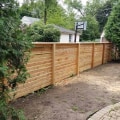
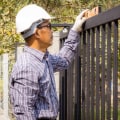
When it comes to enhancing the aesthetic appeal and security of your property, aluminum fencing has emerged as a popular choice among homeowners and property developers alike. Its sleek design and durability make it an attractive option for various applications, from residential backyards to commercial properties. As you embark on the journey of installing an aluminum fence, understanding its unique benefits and installation nuances is crucial for achieving the best results.One of the standout features of aluminum fencing is its low maintenance requirement. Unlike traditional wooden fences that may warp, rot, or require regular painting, aluminum fences are resistant to rust and corrosion, making them ideal for New Zealand's diverse climate.
This durability not only ensures longevity but also translates into cost savings over time, as you won’t need to invest in frequent repairs or replacements.Moreover, aluminum fencing offers a range of styles and finishes that can complement any architectural design. Whether you prefer a classic look with ornamental details or a modern minimalist style, there’s an aluminum fence to suit your taste. This versatility allows homeowners to enhance their property’s curb appeal while ensuring safety and security.As we delve deeper into the specifics of aluminum fence installation, it’s essential to consider various factors such as local regulations, terrain challenges, and the overall layout of your property. With the right tips and insights, you can navigate these challenges effectively, ensuring a smooth installation process that meets your needs and expectations.
Understanding Aluminum Fencing
Aluminum fencing has gained popularity among homeowners due to its combination of durability, aesthetic appeal, and low maintenance requirements.Understanding the fundamentals of aluminum fencing is essential for anyone considering this option for their property.
What is Aluminum Fencing?
Aluminum fencing is a type of barrier made from aluminum materials, designed to provide security and enhance the visual appeal of residential and commercial properties. Unlike traditional wood or wrought iron fences, aluminum fences are lightweight yet robust, making them an excellent choice for various applications.
Types of Aluminum Fences
- Pool Fencing: Specifically designed to meet safety regulations around swimming pools, these fences often feature self-closing gates and are available in various heights.
- Decorative Fencing: These fences focus on aesthetics, often featuring intricate designs and finishes that complement landscaping and architecture.
- Security Fencing: Built with added height and strength, security fences are ideal for commercial properties or areas requiring enhanced protection.
- Privacy Fencing: While aluminum is not typically associated with privacy, certain designs can provide a degree of seclusion while maintaining an open feel.
Aluminum Fence Materials
The composition of aluminum fencing plays a significant role in its performance. Most aluminum fences are made from high-grade aluminum alloy, which is resistant to rust and corrosion. This quality makes them suitable for various climates, including the humid conditions often found in New Zealand.Additionally, many manufacturers offer powder-coated finishes that not only enhance the fence's appearance but also provide an extra layer of protection against the elements.
This finish comes in a variety of colors, allowing homeowners to choose a style that best fits their property.In summary, aluminum fencing is a versatile and attractive option for homeowners looking to enhance their property's security and curb appeal. By understanding the types available and the materials used, you can make an informed decision that aligns with your needs and preferences.
Planning Your Fence Installation
Before diving into the installation of your aluminum fence, it is crucial to engage in thorough planning. This phase not only sets the foundation for a successful installation but also helps you avoid potential pitfalls that could arise during the process.Measuring Your Yard
The first step in your planning process is to accurately measure your yard. This involves more than just determining the perimeter where the fence will be installed.
Here are some key points to consider:
- Use a Measuring Tape: A standard measuring tape can help you get precise measurements. Ensure you measure in straight lines and account for any curves or irregularities in your property line.
- Mark Your Boundaries: Use stakes or spray paint to mark where the fence will go. This visual representation will help you see how the fence fits within your yard.
- Consider Gates and Access Points: Think about where you want gates or access points. Measure these areas carefully to ensure they are functional and convenient.
Understanding Local Regulations
Before proceeding with your installation, it’s essential to familiarize yourself with local regulations regarding fencing.
Different regions have specific rules that govern:
- Height Restrictions: Many areas have limits on how tall a fence can be. Check with your local council to ensure compliance.
- Material Restrictions: Some neighbourhoods may have guidelines on the types of materials that can be used for fences. Ensure that aluminum is permitted in your area.
- Setback Requirements: There may be rules about how far a fence must be set back from property lines or sidewalks. Understanding these regulations can save you from costly fines or having to remove your fence later.
Choosing the Right Style and Height
Your choice of style and height for your aluminum fence should reflect both aesthetic preferences and functional needs.
Consider the following:
- Aesthetic Appeal: Choose a style that complements your home and landscape. Aluminum fences come in various designs, from classic to modern.
- Functional Needs: If security is a priority, opt for a taller fence with minimal gaps. Conversely, if visibility is important, a shorter design may be more suitable.
Tools and Materials Needed for Installation
Installing an aluminum fence requires careful planning and the right set of tools and materials to ensure a successful project. Below is a detailed list of what you will need to get started.Essential Tools for Installing an Aluminum Fence
- Post Hole Digger: This tool is crucial for digging holes for the fence posts.
A manual or powered post hole digger can save you time and effort.
- Level: A level ensures that your fence is straight and properly aligned. A 4-foot level is typically sufficient for most installations.
- Tape Measure: Accurate measurements are vital. A sturdy tape measure will help you determine the spacing between posts and the overall length of your fence.
- Concrete Mix: If you're setting your posts in concrete, you'll need a quality concrete mix to secure them firmly in place.
- Screwdriver or Drill: Depending on the type of aluminum fence you choose, you may need a screwdriver or a power drill to attach panels to posts.
- Rubber Mallet: This tool is useful for gently tapping the fence panels into place without damaging them.
- Safety Gear: Don’t forget gloves, safety glasses, and sturdy footwear to protect yourself during installation.
Materials Needed for Fence Installation
- Aluminum Fence Panels: Choose panels that suit your style and needs. Ensure they are compatible with your chosen posts.
- Fence Posts: These are essential for supporting your panels.
Make sure they are made from durable aluminum and are the correct height for your project.
- Post Caps: These decorative elements not only enhance the appearance of your fence but also protect the tops of the posts from moisture.
- Gates: If you require access points, select gates that match your fence style and ensure they come with necessary hardware.
Aluminum Fence Accessories
- Brackets and Fasteners: These are necessary for securing panels to posts. Ensure they are rust-resistant to prolong the life of your fence.
- Hinges and Latches: For gates, high-quality hinges and latches are essential for smooth operation and security.
- Post Anchors: If you're installing a fence on a hard surface like concrete, post anchors will help secure your posts effectively.
Step-by-Step Guide to Installing an Aluminum Fence
Installing an aluminum fence can be a rewarding DIY project that enhances your property’s aesthetics and security. Follow this comprehensive step-by-step guide to ensure a successful installation.- Gather Your Materials and Tools
Before you begin, make sure you have all the necessary materials and tools.You will need:
- Aluminum fence panels
- Fence posts
- Concrete mix
- Post caps
- Gate hardware (if applicable)
- Measuring tape
- Level
- Shovel or post hole digger
- Power drill
- Saw (if adjustments are needed)
- Safety gear (gloves, goggles)
- Plan Your Layout
Determine where you want your fence to go. Use stakes and string to outline the perimeter, ensuring it is straight and follows any property lines. Measure the distance between posts according to the manufacturer’s specifications. - Mark Post Locations
Using your measuring tape, mark the locations for each post. Typically, posts should be spaced 1.8 to 2.4 meters apart, depending on the panel length. - Dig Post Holes
Using a post hole digger or shovel, dig holes for each post.The holes should be about 30 cm deep to provide stability. Ensure that the holes are wide enough to accommodate the posts and concrete.
- Set the Posts
Place each post into its respective hole. Use a level to ensure they are vertical. Pour concrete mix around the base of each post, following the instructions on the package for mixing and setting times. - Attach Fence Panels
Once the concrete has set (usually after 24-48 hours), begin attaching the aluminum panels to the posts.Start at one end and work your way along, ensuring each panel is level before securing it with screws or brackets as per the manufacturer’s instructions.
- Add Gates (if applicable)
If your design includes a gate, install it according to the manufacturer’s guidelines. Ensure it swings freely and aligns properly with the adjacent panels. - Final Touches
After all panels and gates are installed, add post caps for a finished look. Check all connections and tighten any loose screws or fittings. - Clean Up
Remove any debris from your installation site and enjoy your new aluminum fence!
Common Challenges and How to Overcome Them
Installing an aluminum fence can be a rewarding project, but it often comes with its own set of challenges.Understanding these common obstacles and having strategies to address them can make the installation process smoother and more efficient.
1.Uneven Terrain
One of the most frequent issues encountered during fence installation is dealing with uneven ground. If your yard has slopes or dips, it can complicate the installation of an aluminum fence.- Solution: Before starting, assess the terrain and consider using a level to identify high and low points. You may need to adjust the height of the fence panels or use a technique called "racking" to accommodate the slope. Racking involves angling the panels to follow the contour of the ground.
2.Incorrect Measurements
Another common mistake is miscalculating measurements, which can lead to panels that are too short or too long.- Solution: Always double-check your measurements before cutting any materials.
Use a measuring tape and mark your measurements clearly on both the ground and the panels. It’s also wise to have a second person verify your measurements to catch any potential errors.
3.Poor Post Installation
The stability of your aluminum fence largely depends on how well the posts are installed. If they are not set correctly, it can lead to leaning or sagging over time.- Solution: Ensure that each post is set in concrete and is plumb before the concrete sets. Use a level to check that each post is vertical, and allow adequate time for the concrete to cure before attaching panels.
4.Weather Conditions
Weather can significantly impact your installation timeline and quality.Rain, wind, or extreme temperatures can hinder your progress.
- Solution: Plan your installation for a period of mild weather. If you encounter unexpected rain, cover your materials and work area with tarps to protect them from moisture.
5.Lack of Experience
If you’re new to fence installation, you might find yourself overwhelmed by the process.- Solution: Take time to research best practices for installing aluminum fences. Watching tutorial videos or consulting with professionals can provide valuable insights that will help you avoid common pitfalls.
Maintaining Your Aluminum Fence
Once your aluminum fence is installed, maintaining it properly is crucial to ensure its longevity and aesthetic appeal. Unlike wood or vinyl, aluminum fences are known for their durability and resistance to rust and corrosion, but they still require some care to keep them looking their best.Regular Cleaning
- To maintain the appearance of your aluminum fence, it’s essential to clean it regularly.
Use a mild soap solution mixed with water and a soft cloth or sponge to wipe down the surface. This will help remove dirt, grime, and any potential stains.
- Avoid using abrasive cleaners or scrubbers, as these can scratch the finish of the fence. Instead, opt for non-abrasive cleaning tools to preserve the integrity of the aluminum.
- For tougher stains or marks, a mixture of vinegar and water can be effective. Apply it with a soft cloth and rinse thoroughly afterward.
Inspecting for Damage
- Regular inspections are vital in maintaining your aluminum fence.
Look for any signs of damage such as dents, scratches, or loose panels. Addressing these issues promptly can prevent further deterioration.
- If you notice any scratches that expose bare metal, consider applying a touch-up paint specifically designed for aluminum to prevent corrosion.
Protecting Against Weather Elements
- While aluminum is resistant to rust, it’s still wise to protect your fence from extreme weather conditions. If you live in an area prone to heavy storms or high winds, check your fence after such events to ensure it remains secure and undamaged.
- In regions with high UV exposure, consider applying a protective sealant every few years to maintain the finish and prevent fading.
Longevity Tips
- To extend the life of your aluminum fence, ensure that any vegetation near the fence is trimmed back. Overgrown plants can cause scratches or even structural damage over time.
- If your fence has gates, regularly check the hinges and latches for proper function.
Lubricate them as needed to prevent rusting and ensure smooth operation.
Frequently Asked Questions About Aluminum Fencing
When considering an aluminum fence, many homeowners have questions regarding its installation, maintenance, and overall benefits. Below are some of the most frequently asked questions about aluminum fencing, along with clear and concise answers to help you make informed decisions.1.What are the advantages of aluminum fencing?
Aluminum fencing offers several benefits:- Durability: Aluminum is resistant to rust and corrosion, making it ideal for various weather conditions.
- Low Maintenance: Unlike wood or iron, aluminum requires minimal upkeep, typically just an occasional wash to remove dirt and debris.
- Aesthetic Appeal: Available in various styles and colors, aluminum fences can enhance the visual appeal of your property.
- Security: With its sturdy construction, aluminum fencing provides a reliable barrier for pets and children.
2.How long does an aluminum fence last?
With proper installation and maintenance, an aluminum fence can last for decades. Many manufacturers offer warranties ranging from 20 to 30 years, reflecting the material's longevity.3.Is aluminum fencing suitable for all types of terrain?
Yes, aluminum fencing is versatile and can be adapted to various terrains.It can be installed on slopes or uneven ground by using rackable panels that adjust to the landscape.
4.How do I maintain my aluminum fence?
Maintaining an aluminum fence is straightforward:- Regular Cleaning: Use a mild soap solution and a soft brush to clean the surface periodically.
- Inspect for Damage: Check for any signs of wear or damage, especially after severe weather.
- Paint Touch-Ups: If you notice scratches or chips in the finish, touch them up with paint designed for aluminum to prevent corrosion.
5.Are there any concerns with aluminum fencing?
While aluminum fencing is generally a great choice, some concerns include:- Cost: Aluminum fences can be more expensive than other materials like wood or chain link.
- Privacy: Aluminum fences typically do not provide complete privacy; consider adding landscaping or privacy slats if this is a concern.
Conclusion: Key Takeaways for Successful Fence Installation
In conclusion, installing an aluminum fence can be a rewarding project that enhances both the aesthetic appeal and security of your property. However, it requires careful planning and execution to ensure a successful outcome. Here are some key takeaways to keep in mind:- Thorough Planning: Before you begin, take the time to plan your project meticulously. This includes measuring your space accurately, understanding local regulations, and selecting the right style and height for your fence.
- Quality Materials: Invest in high-quality aluminum materials that are durable and resistant to corrosion.
This will not only extend the lifespan of your fence but also reduce maintenance costs in the long run.
- Proper Tools: Ensure you have all the necessary tools at hand before starting the installation. This includes a post hole digger, level, measuring tape, and concrete mix for securing the posts.
- Follow Manufacturer Instructions: Each aluminum fence system may come with specific installation guidelines. Adhering to these instructions is crucial for achieving optimal results.
- Seek Professional Help if Needed: If you encounter challenges that seem overwhelming, don’t hesitate to consult with or hire a professional. Their expertise can save you time and prevent costly mistakes.
- Regular Maintenance: Once your fence is installed, regular maintenance is key to preserving its appearance and functionality.
Periodically check for any signs of wear or damage and address them promptly.