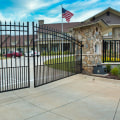
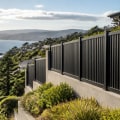
When considering options for your property, an aluminum fence stands out as a versatile and attractive choice. Known for its durability and low maintenance requirements, aluminum fencing has gained popularity among homeowners looking to enhance their outdoor spaces. Unlike traditional wooden fences that may warp or rot over time, aluminum fences are resistant to rust and corrosion, making them an ideal option for various climates, including the diverse weather conditions found in New Zealand.One of the primary benefits of aluminum fencing is its aesthetic appeal. Available in a range of styles and finishes, it can complement any architectural design while providing a sleek and modern look.
Whether you prefer a classic wrought-iron appearance or a more contemporary design, aluminum fences can be tailored to suit your personal taste. Additionally, they can be easily integrated with other landscaping elements, enhancing the overall beauty of your garden or yard.For beginners embarking on their fencing journey, understanding the advantages of aluminum fencing is crucial. Not only does it offer security and privacy, but it also adds value to your property. Many homeowners appreciate the peace of mind that comes with knowing their children and pets are safe within a defined area.
Furthermore, aluminum fences are often more affordable than other materials when considering long-term costs, as they require minimal upkeep and have a longer lifespan.As you delve deeper into this guide, you will discover practical tips and insights on how to install an aluminum fence effectively. From planning your layout to selecting the right materials, this comprehensive resource will equip you with the knowledge needed to tackle your fencing project with confidence.
Understanding Aluminum Fencing
Aluminum fencing is a popular choice among homeowners due to its combination of durability, aesthetic appeal, and low maintenance requirements. But what exactly is aluminum fencing? Essentially, it is a type of fencing made from aluminum materials, which are known for their resistance to rust and corrosion. This makes aluminum fences an excellent option for various climates, including the humid conditions often found in New Zealand.When considering aluminum fencing, it’s important to understand the different types of aluminum fences available.Here are some common styles:
- Pool Fencing: Designed specifically for safety around swimming pools, these fences often feature self-closing gates and comply with local safety regulations.
- Privacy Fencing: While aluminum is not typically used for complete privacy, certain designs can provide a degree of seclusion while still allowing airflow.
- Decorative Fencing: These fences are often used to enhance the visual appeal of a property. They come in various styles and colors, allowing homeowners to choose a design that complements their landscape.
- Security Fencing: Tall and robust, security fences are designed to deter intruders while still maintaining an attractive appearance.
On the other hand, rolled aluminum may be less expensive but can lack the structural integrity needed for long-term use.One of the key advantages of aluminum fencing over other materials, such as wood or vinyl, is its longevity. Unlike wood, which can warp or rot over time, aluminum maintains its shape and appearance with minimal upkeep. Additionally, it does not require painting or staining, making it a cost-effective option in the long run.In summary, understanding the specifics of aluminum fencing—including its types and materials—can significantly aid in making an informed decision when planning your fence installation. With its blend of functionality and style, aluminum fencing stands out as a versatile choice for any property.
Planning Your Fence Installation
Before diving into the installation of your aluminum fence, it’s crucial to engage in thorough planning.This phase not only sets the foundation for a successful project but also helps you avoid potential pitfalls that could lead to costly mistakes.
Measuring Your Space
The first step in planning your fence installation is accurately measuring the area where you intend to place the fence. Here’s how to do it:
- Gather Your Tools: You will need a measuring tape, stakes, and string or chalk to mark your boundaries.
- Identify Property Lines: Use your property deed or consult with a land surveyor to determine the exact boundaries of your property. This is essential to avoid disputes with neighbours.
- Mark the Area: Place stakes at each corner of the intended fence line and run string or chalk between them. This visual guide will help you see how the fence will fit into your landscape.
- Measure Lengths: Measure the distance between each stake to calculate the total length of fencing required.
Don’t forget to account for any gates you plan to install.
Understanding Local Regulations
Before proceeding with your installation, it’s vital to check local regulations regarding fencing. Different areas have specific rules that govern:
- Height Restrictions: Many councils have limits on how tall fences can be, especially in residential areas.
- Material Restrictions: Some regions may have guidelines on what materials can be used for fencing, particularly in historical districts.
- Setback Requirements: You may need to maintain a certain distance from property lines or sidewalks.
Final Considerations
Once you have measured your space and understood local regulations, take a moment to consider the purpose of your aluminum fence. Are you looking for privacy, security, or simply an aesthetic enhancement? This will influence not only the design but also the height and style of the fence you choose.By investing time in planning, you set yourself up for a smoother installation process and a finished product that meets both your needs and local standards.
Tools and Materials Needed for Installation
Installing an aluminum fence requires careful planning and the right tools and materials to ensure a successful project.Below is a comprehensive checklist that will help you gather everything you need before you start your installation.
Essential Tools for Installing an Aluminum Fence
- Post Hole Digger: This tool is crucial for digging holes for your fence posts. You can choose between a manual post hole digger or a power auger, depending on the size of your project.
- Level: A level ensures that your fence is straight and properly aligned. A 4-foot level is typically sufficient for most installations.
- Tape Measure: Accurate measurements are vital for a successful installation. A sturdy tape measure will help you determine the spacing between posts and the overall length of your fence.
- Hammer or Mallet: You’ll need a hammer or rubber mallet to drive in stakes or to adjust the alignment of your panels during installation.
- Screwdriver or Drill: Depending on the type of aluminum fence you choose, you may need a screwdriver or drill to secure panels and posts together.
- Safety Gear: Don’t forget to wear safety glasses and gloves to protect yourself while working with tools and materials.
Materials Needed for Fence Installation
- Aluminum Fence Panels: Choose panels that suit your style and needs.
They come in various heights and designs, so select what fits best with your property.
- Fence Posts: These are essential for supporting your panels. Ensure they are compatible with your chosen panels and are made from durable aluminum.
- Post Caps: These decorative elements not only enhance the appearance of your fence but also protect the tops of the posts from moisture.
- Concrete Mix: Use concrete to secure your posts in place. This will provide stability and longevity to your fence.
- Screws and Fasteners: Make sure to have the appropriate screws and fasteners that are compatible with aluminum to ensure a secure installation.
Step-by-Step Guide to Installing an Aluminum Fence
Installing an aluminum fence can be a rewarding DIY project that enhances the beauty and security of your property.Follow this step-by-step guide to ensure a successful installation.
1.Gather Your Materials and Tools
- Aluminum fence panels
- Fence posts
- Post caps
- Concrete mix
- Digging tools (post hole digger or auger)
- Level
- Tape measure
- String line
- Screws and brackets (if required)
- Safety gear (gloves, goggles)
2.Plan Your Layout
Before you start digging, it’s crucial to plan the layout of your fence. Use a tape measure to determine the perimeter where you want the fence installed. Mark the corners and gate locations with stakes. To ensure a straight line, run a string line between the stakes.
3.Measure and Mark Post Locations
The distance between posts typically ranges from 6 to 8 feet, depending on the design of your aluminum fence panels.
Measure and mark the locations for each post along your string line, ensuring they are evenly spaced.
4.Dig Post Holes
Using a post hole digger or auger, dig holes for each post. The holes should be about 600mm deep and wide enough to accommodate the posts and concrete. Ensure that the holes are deep enough to provide stability for your fence.
5.Set the Posts
Place each post into its respective hole, ensuring it is level and plumb. Pour concrete mix around the base of each post, following the manufacturer's instructions for mixing and setting time.
Allow the concrete to cure completely before proceeding.
6.Attach Fence Panels
Once the posts are set, it’s time to attach the aluminum fence panels. Start at one end and work your way along the fence line. Use brackets or screws as specified by the manufacturer to secure each panel to the posts. Ensure that each panel is level before tightening screws.
7.Install Post Caps
Add post caps to finish off the look of your aluminum fence and protect the tops of your posts from weather damage.
Simply place them on top of each post and secure them as needed.
8.Final Inspection
After installation, conduct a thorough inspection of your fence. Check for any loose panels or screws and ensure everything is secure. Make any necessary adjustments before enjoying your new aluminum fence.This DIY aluminum fence installation guide provides you with clear steps to follow, making it easier for beginners to achieve professional results.
Common Mistakes to Avoid When Installing a Fence
Installing an aluminum fence can be a rewarding project, but it’s essential to be aware of common mistakes that can lead to frustration and additional costs. By understanding these pitfalls, you can ensure a smoother installation process and achieve the desired results.- Neglecting Local Regulations: Before you begin, check with your local council regarding zoning laws and fencing regulations.
Many areas have specific requirements regarding fence height, materials, and placement. Failing to comply can result in fines or the need to remove your fence.
- Inaccurate Measurements: One of the most critical steps in fence installation is taking accurate measurements. Ensure you measure the area where the fence will be installed multiple times to avoid costly mistakes. Use a measuring tape and mark your measurements clearly on the ground.
- Ignoring Property Lines: Installing a fence too close to or over your property line can lead to disputes with neighbours.
Always confirm your property boundaries, possibly by consulting a land surveyor, to avoid encroaching on someone else’s land.
- Improper Post Depth: The depth of your fence posts is crucial for stability. A common mistake is not digging deep enough. As a rule of thumb, posts should be buried at least one-third of their total length in the ground. For aluminum fences, this typically means digging holes that are at least 600mm deep.
- Forgetting About Drainage: Water pooling around fence posts can lead to rust and deterioration over time.
Ensure that the area around your posts has proper drainage to prevent water accumulation. This may involve grading the soil or adding gravel around the base of each post.
- Skipping the Concrete: While some may think that simply placing posts in the ground is sufficient, using concrete for added support is highly recommended. Concrete helps secure the posts and prevents them from shifting over time, especially in areas with high winds or unstable soil.
- Not Planning for Gates: If your design includes gates, plan their placement carefully. Ensure that there is enough space for them to swing open without obstruction.
Additionally, consider how often you will use these gates and whether they need to be reinforced for added durability.
Maintaining Your Aluminum Fence
Maintaining your aluminum fence is crucial for ensuring its longevity and aesthetic appeal. Unlike traditional wooden fences, aluminum fences are known for their durability and resistance to rust and corrosion. However, they still require some care to keep them looking their best.Regular Cleaning
One of the simplest yet most effective ways to maintain your aluminum fence is through regular cleaning.Here are some tips:
- Frequency: Aim to clean your fence at least twice a year, ideally in spring and autumn.
- Cleaning Solution: Use a mild detergent mixed with water. Avoid harsh chemicals that can damage the finish.
- Tools: A soft cloth or sponge is ideal for cleaning. For tougher stains, a non-abrasive brush can be used.
- Rinsing: After scrubbing, rinse thoroughly with clean water to remove any soap residue.
Inspecting for Damage
Regular inspections can help you catch potential issues before they become significant problems. Look for:- Dents or Scratches: Check for any physical damage that may have occurred due to weather or impact.
- Loose Panels: Ensure that all panels are securely fastened and that there are no signs of sagging.
- Rust Spots: Although aluminum is resistant to rust, it can still occur if the protective coating is compromised.
Address any rust spots immediately.
Protective Coating
If your aluminum fence has a powder-coated finish, it’s essential to maintain this protective layer. Over time, the coating can wear down due to exposure to the elements. Consider the following:- Reapplication: If you notice fading or chipping, it may be time to reapply a protective coating. Consult with a professional for the best products and methods.
- Avoid Scratches: Be cautious when using lawn equipment near your fence to prevent scratches that could expose the metal underneath.
Proper care not only enhances its appearance but also extends its lifespan, making it a worthwhile investment for your property.
Frequently Asked Questions About Aluminum Fencing
When considering an aluminum fence, many homeowners have questions regarding its installation, maintenance, and overall effectiveness. Below are some of the most frequently asked questions about aluminum fencing that can help clarify any doubts you may have.What are the benefits of choosing an aluminum fence?
Aluminum fencing offers numerous advantages, including:- Durability: Aluminum is resistant to rust and corrosion, making it ideal for various weather conditions.
- Low Maintenance: Unlike wood or iron, aluminum requires minimal upkeep. A simple wash with soap and water is usually sufficient to keep it looking new.
- Aesthetic Appeal: Available in various styles and colors, aluminum fences can enhance the visual appeal of your property.
- Security: With its sturdy construction, an aluminum fence provides a reliable barrier against intruders.
How long does an aluminum fence last?
With proper installation and maintenance, an aluminum fence can last for decades. Many manufacturers offer warranties ranging from 20 to 30 years, which speaks to the longevity of this material.Is an aluminum fence easy to install?
While installing an aluminum fence can be a manageable DIY project for those with basic skills, it is advisable to consult with professionals if you are unsure.Proper installation is crucial for ensuring the fence's stability and effectiveness.
Can I install an aluminum fence on a slope?
Yes, aluminum fences can be installed on sloped terrain. There are two primary methods: racking (where the panels follow the slope) or stepping (where each panel is installed at a different height). Your choice will depend on your aesthetic preference and the degree of the slope.What should I consider when choosing an aluminum fence?
When selecting an aluminum fence, consider the following factors:- Height: Determine how tall you want your fence to be based on your privacy and security needs.
- Style: Choose a design that complements your home and landscape.
- Color: Aluminum fences come in various finishes; select one that matches your property’s aesthetic.
- Local Regulations: Check with local authorities regarding zoning laws and regulations that may affect your installation.
Conclusion: Your Journey to a Beautiful Aluminum Fence
As we reach the end of this comprehensive guide, it’s essential to reflect on the journey you’ve undertaken towards installing a stunning aluminum fence. This project not only enhances the aesthetic appeal of your property but also provides a sense of security and privacy that every homeowner desires.Throughout this guide, we’ve explored the numerous advantages of choosing an aluminum fence.From its durability and low maintenance requirements to its versatility in design, aluminum fencing stands out as a superior choice for many homeowners. Unlike traditional wood or vinyl options, aluminum fences resist rust and corrosion, making them ideal for New Zealand’s diverse climate.Moreover, the installation process, while initially daunting for beginners, can be simplified with careful planning and the right tools. Remember to:
- Measure accurately: Ensure you have precise measurements of your property lines to avoid any disputes with neighbours.
- Choose quality materials: Investing in high-quality aluminum fencing will pay off in the long run, providing you with a fence that lasts for years.
- Follow local regulations: Always check with your local council regarding fencing regulations to ensure compliance.
So gather your tools, plan your layout, and take that first step towards transforming your outdoor space. Your beautiful aluminum fence awaits!.