When it comes to enhancing the security and aesthetic appeal of your home, selecting the right fencing option is crucial. With a myriad of choices available, homeowners often find themselves grappling with the challenge of balancing affordability with functionality. The right fence not only defines your property boundaries but also contributes to your home's overall charm and value. In this exploration of affordable fencing options , we will delve into various materials, including the increasingly popular aluminum fence, which stands out for its combination of durability and cost-effectiveness.Fencing serves multiple purposes: it provides privacy, enhances security, and can even act as a decorative element in your landscape.
However, the initial investment can be daunting for many homeowners. This is where understanding the different types of fencing materials becomes essential. From traditional wood to modern vinyl and aluminum, each material comes with its own set of advantages and disadvantages that can significantly impact your budget.Among these options, aluminum fencing has gained traction due to its lightweight nature and resistance to corrosion, making it an ideal choice for various climates. Not only does it require minimal maintenance compared to wood or vinyl, but it also offers a sleek and contemporary look that can complement any home design.
As we navigate through this guide on cost-effective fencing , we will highlight how aluminum fences can provide a practical solution without compromising on style or quality.Ultimately, the goal is to equip you with the knowledge needed to make an informed decision that aligns with your financial constraints while meeting your functional needs. Whether you are looking to create a safe play area for children or simply want to enhance your property's curb appeal, understanding the landscape of affordable fencing options will empower you to choose wisely.
Understanding Aluminum Fencing
Aluminum fencing is a popular choice for homeowners seeking a balance between affordability, durability, and aesthetic appeal. This type of fencing is made from lightweight yet strong aluminum, which makes it an excellent option for various residential applications.Benefits of Aluminum Fencing
- Durability: One of the standout features of aluminum fencing is its remarkable durability. Unlike wood, which can rot or warp over time, aluminum is resistant to rust and corrosion.
This means that an aluminum fence can withstand harsh weather conditions, making it a long-lasting investment for your property.
- Low Maintenance: Homeowners appreciate aluminum fencing for its low maintenance requirements. Unlike wooden fences that need regular staining or painting to maintain their appearance, aluminum fences only require occasional cleaning with soap and water to keep them looking new.
- Aesthetic Appeal: Aluminum fences come in a variety of styles and finishes, allowing homeowners to choose a design that complements their property. Whether you prefer a classic picket style or a more modern look, there are options available to suit your taste.
- Security: While aluminum fencing may not provide complete privacy like solid wood or vinyl options, it offers a level of security that can deter intruders. The height and strength of aluminum fences make them an effective barrier for keeping pets and children safe within your yard.
Cost of Aluminum Fencing
The cost of installing an aluminum fence can vary based on several factors, including the height of the fence, the complexity of the installation, and the specific style chosen.
On average, homeowners can expect to pay between 15 to 30 New Zealand dollars per linear meter for materials and installation. While this may be higher than some other fencing options initially, the long-term savings on maintenance and replacement costs make aluminum fencing a wise investment.
Installation Process
Installing an aluminum fence is generally straightforward, especially when using pre-fabricated panels. Homeowners can choose to hire professionals for installation or opt for a DIY approach if they have some experience with home improvement projects. The installation process typically involves:
- Planning the layout and marking the fence line.
- Digging post holes at regular intervals based on the panel size.
- Setting the posts in concrete for stability.
- Attaching the pre-fabricated panels to the posts.
- Finishing touches such as adding caps to the posts for a polished look.
Cost Analysis of Aluminum Fencing
When considering an aluminum fence for your property, understanding the cost implications is crucial.The pricing of aluminum fencing can vary significantly based on several factors, including the type of aluminum used, the height of the fence, and the specific design features you choose.
Material Costs
- The average cost of aluminum fencing typically ranges from $20 to $30 NZD per linear foot. This price can fluctuate based on the gauge of the aluminum and any additional coatings or finishes that enhance durability and aesthetics.
- For instance, a heavier gauge aluminum will generally cost more but offers increased strength and longevity, making it a worthwhile investment for many homeowners.
- Additionally, decorative elements such as ornamental tops or custom colours can also add to the overall material costs.
Installation Costs
- Installation costs for aluminum fencing can vary widely depending on your location and the complexity of the installation. On average, you can expect to pay between $10 to $15 NZD per linear foot for professional installation.
- This cost may increase if your property has challenging terrain or if additional site preparation is required, such as clearing vegetation or leveling ground.
- Some homeowners opt for DIY installation to save on costs; however, it’s essential to have a good understanding of the installation process to avoid potential pitfalls that could lead to additional expenses down the line.
Total Cost Considerations
When calculating the total cost of installing an aluminum fence, it’s important to factor in both material and installation expenses. For example, if you are fencing a 100-foot perimeter:
- Material Cost: 100 feet x $25 NZD (average material cost) = $2,500 NZD
- Installation Cost: 100 feet x $12 NZD (average installation cost) = $1,200 NZD
- Total Estimated Cost: $3,700 NZD
Therefore, it’s advisable to obtain multiple quotes from contractors and consider all aspects of your project before making a final decision.
Comparing Aluminum Fencing with Other Affordable Options
When considering fencing options for your home, it’s essential to weigh the benefits and drawbacks of each material.Aluminum fencing
stands out as a popular choice, but how does it compare to other affordable options like wood, vinyl, and chain link? Let’s explore these materials in detail.Aluminum vs. Wood Fence
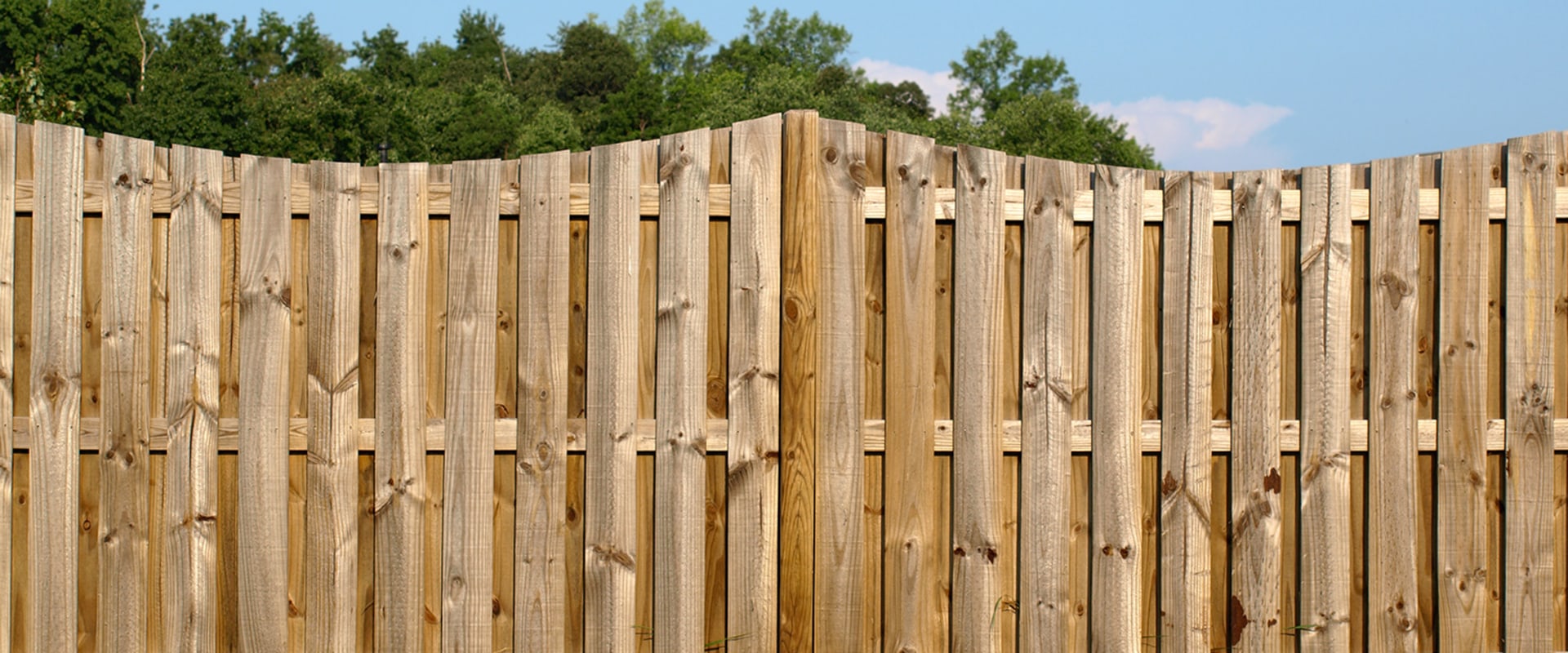
Wood fences are often lauded for their natural beauty and versatility. They can be customized in various styles, from picket to privacy designs.However, they come with significant maintenance requirements. Regular staining or painting is necessary to prevent rot and weather damage, which can add to long-term costs.In contrast, aluminum fencing offers a sleek, modern look with minimal upkeep. It is resistant to rust and corrosion, making it a durable option that can withstand the elements without the need for frequent maintenance. While aluminum may not provide the same level of privacy as a solid wood fence, its aesthetic appeal and longevity make it a compelling choice for many homeowners.
Aluminum vs.
Vinyl FenceVinyl fencing is another alternative that has gained popularity due to its low maintenance and durability. Like aluminum, vinyl does not require painting or staining and is resistant to fading and weathering. However, vinyl can be more expensive upfront compared to aluminum.One of the advantages of aluminum over vinyl is its strength; aluminum fences are less likely to warp or crack under pressure. Additionally, aluminum can be more environmentally friendly as it is recyclable, whereas vinyl is not biodegradable.
Homeowners looking for a balance between cost and durability may find aluminum fencing to be the better investment in the long run.
Chain Link vs. Aluminum Fence
Chain link fencing is often considered one of the most affordable options available. It provides basic security and boundary marking but lacks privacy and aesthetic appeal. Chain link fences can be easily adorned with slats or vines for added privacy, but they still do not offer the same visual appeal as aluminum.Aluminum fencing, while typically more expensive than chain link, provides a more polished look that can enhance your property’s curb appeal.It also offers better security features due to its sturdier construction. For homeowners prioritizing both aesthetics and functionality, aluminum fencing presents a superior option compared to chain link.In summary, while each fencing material has its unique advantages and disadvantages, aluminum fencing often emerges as a well-rounded choice that balances durability, low maintenance, and visual appeal against other affordable options like wood, vinyl, and chain link.
Installation Process for Aluminum Fencing
Installing an aluminum fence can be a straightforward process, especially for those who are handy and prefer a DIY approach. However, understanding the steps involved is crucial to ensure a successful installation that meets your needs.Step 1: Planning and Preparation
- Before you begin, check local regulations regarding fencing. Some areas may require permits or have specific height restrictions.
- Measure the area where you plan to install the fence.
Use stakes and string to outline the perimeter, ensuring it is straight and level.
- Determine the number of panels and posts needed based on your measurements. Most aluminum fencing comes in standard panel sizes, so calculate accordingly.
Step 2: Gather Your Tools and Materials
- You will need basic tools such as a post hole digger, level, tape measure, and a rubber mallet. Additionally, ensure you have all necessary materials including aluminum panels, posts, brackets, and concrete for securing the posts.
- Consider purchasing a fence installation kit that includes all necessary hardware for easier assembly.
Step 3: Installing the Posts
- Start by digging holes for your posts. The depth should be at least one-third of the post height to ensure stability.
- Place the posts in the holes and use a level to ensure they are vertical.
Fill the holes with concrete to secure them in place. Allow the concrete to cure as per manufacturer instructions.
Step 4: Attaching the Panels
- Once the posts are set, begin attaching the aluminum panels. Use brackets to secure each panel to its respective post. Ensure that each panel is level before tightening the screws.
- If your fence design includes gates, install them according to the manufacturer’s instructions, ensuring they swing freely without obstruction.
Step 5: Final Touches
- After all panels are installed, inspect your work for any adjustments needed.
Ensure that all screws are tightened and that there are no sharp edges exposed.
- Consider adding decorative caps to your posts for an enhanced aesthetic appeal.
When to Hire a Professional
While installing an aluminum fence can be a DIY project, there are instances when hiring a professional may be beneficial:
- If you are unfamiliar with fencing installation or lack the necessary tools.
- If your property has uneven terrain or requires complex layouts that may be challenging to navigate alone.
- If you prefer a guarantee of quality workmanship and want to avoid potential issues down the line.
Maintenance Tips for Aluminum Fencing
Maintaining an aluminum fence is essential for ensuring its longevity and preserving its aesthetic appeal. Unlike wood or vinyl, aluminum is naturally resistant to rust and corrosion, making it a popular choice for homeowners. However, regular maintenance is still necessary to keep it looking its best.Regular Cleaning
To maintain the appearance of your aluminum fence, it’s important to clean it periodically. Here are some effective cleaning tips:- Use Mild Detergent: Mix a solution of warm water and mild dish soap.
Use a soft cloth or sponge to gently scrub the surface of the fence, removing dirt and grime.
- Rinse Thoroughly: After scrubbing, rinse the fence with clean water to remove any soap residue. This helps prevent streaking and keeps the finish intact.
- Avoid Abrasive Cleaners: Steer clear of harsh chemicals or abrasive materials that can scratch the surface of the aluminum. Stick to non-abrasive cleaners for best results.
Inspect for Damage
Regular inspections can help you catch potential issues before they become significant problems. Look for:- Paint Chips or Scratches: If you notice any chips in the paint, touch them up promptly to prevent corrosion.
- Loose Panels or Posts: Ensure that all panels and posts are secure.
Tighten any loose screws or bolts as needed.
- Signs of Wear: Check for any signs of wear or damage, especially at joints and connections where stress may occur.
Longevity Considerations
The longevity of an aluminum fence can be significantly enhanced with proper care. Here are some additional tips:- Apply Protective Coatings: Consider applying a protective wax or sealant designed for aluminum surfaces. This can provide an extra layer of protection against environmental elements.
- Avoid Contact with Chemicals: Be cautious with lawn care products, such as fertilizers and herbicides, as they can cause discoloration if they come into contact with your fence.
- Trim Vegetation: Keep plants and shrubs trimmed back from the fence to prevent moisture buildup and potential damage from overgrowth.
Enhancing Your Aluminum Fence Aesthetics
While aluminum fences are known for their durability and low maintenance, they can sometimes lack the visual warmth and charm that other materials offer. Fortunately, there are numerous ways to enhance the aesthetics of your aluminum fence, making it a beautiful addition to your property.Landscaping Ideas to Complement Your Aluminum Fence
One of the most effective ways to improve the appearance of an aluminum fence is through thoughtful landscaping.Here are some ideas:
- Planting Shrubs and Flowers: Consider planting a variety of shrubs and flowering plants along the base of your fence. This not only softens the look of the fence but also adds color and texture to your garden. Choose plants that thrive in your local climate for the best results.
- Vertical Gardens: If space allows, create a vertical garden by attaching planters or trellises to your aluminum fence. Climbing plants such as clematis or jasmine can add height and vibrancy, creating a stunning backdrop.
- Decorative Stones or Mulch: Adding decorative stones or mulch at the base of your fence can create a clean, polished look.
This also helps with drainage and reduces weed growth, making maintenance easier.
Incorporating Decorative Elements
In addition to landscaping, you can incorporate decorative elements that enhance the overall appeal of your aluminum fence:- Fence Caps: Installing decorative caps on top of your fence posts can add a unique touch. These come in various styles and materials, allowing you to choose one that complements your home’s architecture.
- Lighting: Adding solar-powered lights along the fence line not only improves visibility at night but also creates an inviting atmosphere. Choose lights that match the style of your home for a cohesive look.
- Artistic Panels: Consider adding artistic panels or inserts made from wood or wrought iron within sections of your aluminum fence. This can break up the monotony and add character.
Enhancing Privacy with Aluminum Fences
If privacy is a concern, there are several strategies you can employ without sacrificing aesthetics:- Add Lattice Panels: Attaching lattice panels to the top of your aluminum fence can provide additional height and privacy while allowing for climbing plants to grow over them.
- Use Privacy Slats: Many manufacturers offer privacy slats designed specifically for aluminum fences.
These slats fit into the existing framework and can significantly increase privacy without compromising style.
- Create a Green Wall: Planting tall hedges or installing a green wall adjacent to your fence can create a natural barrier that enhances privacy while adding beauty to your outdoor space.
Frequently Asked Questions about Aluminum Fencing
When considering an aluminum fence for your property, potential buyers often have several questions. Here are some of the most frequently asked questions regarding aluminum fencing, along with detailed answers to help you make an informed decision.What are the main benefits of aluminum fencing?
Aluminum fencing offers numerous advantages, making it a popular choice among homeowners:- Durability: Aluminum is resistant to rust and corrosion, ensuring that your fence will withstand the elements without deteriorating over time.
- Low Maintenance: Unlike wood or vinyl, aluminum fences require minimal upkeep. A simple wash with soap and water is usually sufficient to keep them looking new.
- Aesthetic Appeal: Available in various styles and colors, aluminum fences can enhance the visual appeal of your property while providing security.
- Cost-Effective: While the initial investment may be higher than some other materials, the long lifespan and low maintenance costs make aluminum fencing a cost-effective option in the long run.
How long does an aluminum fence last?
An aluminum fence can last for several decades, often exceeding 30 years with proper care. Its resistance to rust and corrosion significantly contributes to its longevity, making it a reliable choice for homeowners looking for a long-term fencing solution.Is aluminum fencing suitable for all climates?
Yes, aluminum fencing is suitable for various climates.Its corrosion-resistant properties make it ideal for coastal areas where saltwater can cause damage to other materials. Additionally, it performs well in both hot and cold climates, maintaining its integrity regardless of temperature fluctuations.
Can I install an aluminum fence myself?
While it is possible to install an aluminum fence yourself, it requires some level of skill and tools. Many homeowners choose to hire professionals to ensure proper installation, which can save time and prevent potential issues down the line. If you decide to go the DIY route, be sure to follow the manufacturer's guidelines closely.What styles are available for aluminum fencing?
Aluminum fences come in a variety of styles, including:- Picket Fencing: A classic design that adds charm while providing security.
- Spear Top Fencing: Features pointed tops for added security without sacrificing style.
- Flat Top Fencing: Offers a sleek and modern look that complements contemporary homes.
Conclusion: Making the Right Choice for Your Home Fencing Needs
In conclusion, selecting the right fencing option for your home is a multifaceted decision that requires careful consideration of both cost and functionality.Throughout this article, we have explored various affordable fencing solutions, with a particular emphasis on the benefits of aluminum fencing. This lightweight and durable material stands out as an excellent choice for homeowners seeking a balance between aesthetics, security, and budget.Aluminum fences offer numerous advantages that make them a compelling option. They are resistant to rust and corrosion, ensuring longevity even in New Zealand's diverse weather conditions. Additionally, their low maintenance requirements mean that once installed, you can enjoy the benefits without the burden of frequent upkeep.
This is particularly important when considering the long-term costs associated with different fencing materials.When evaluating your fencing needs, it’s essential to consider not only the initial installation costs but also the ongoing maintenance expenses. While options like wooden or vinyl fences may have lower upfront costs, they often require more frequent maintenance, which can add up over time. In contrast, aluminum fencing provides a cost-effective solution that remains visually appealing and functional for years.Moreover, aluminum fences come in a variety of styles and finishes, allowing you to choose a design that complements your home’s architecture while enhancing its curb appeal. Whether you prefer a classic picket style or a more modern look, there is an aluminum option to suit your taste.Ultimately, the best choice for your home will depend on your specific needs and preferences.
Consider factors such as privacy requirements, aesthetic desires, and budget constraints when making your decision. By weighing these elements carefully, you can select a fencing solution that not only meets your immediate needs but also adds value to your property in the long run.In summary, while there are many affordable fencing options available, aluminum fencing stands out as a versatile and practical choice. Its combination of durability, low maintenance, and aesthetic appeal makes it an ideal solution for homeowners looking to enhance their outdoor spaces without breaking the bank.