Installing an aluminum fence can be a rewarding project for homeowners looking to enhance their property’s security and aesthetic appeal. The allure of a DIY aluminum fence installation lies not only in the potential cost savings but also in the satisfaction of creating something with your own hands. As you embark on this journey, it’s essential to understand both the benefits and drawbacks associated with taking on such a task. This knowledge will empower you to make informed decisions that align with your goals and capabilities.One of the primary advantages of opting for a DIY approach is the significant reduction in labor costs.
Hiring professionals can be expensive, and many homeowners find that they can save a considerable amount by tackling the project themselves. Additionally, installing your own fence allows for greater flexibility in design choices, enabling you to tailor the project to your specific needs and preferences. Whether you envision a sleek modern look or a more traditional style, the freedom to choose materials and designs can be incredibly appealing.However, it’s crucial to weigh these benefits against the potential challenges that come with DIY fence installation. While aluminum fences are known for their durability and low maintenance requirements, the installation process can be complex and time-consuming.
Homeowners may underestimate the level of skill required, particularly when it comes to ensuring proper alignment and stability. Furthermore, without prior experience, mistakes can lead to additional costs and frustrations down the line.As we delve deeper into this topic, we will explore the various benefits of installing an aluminum fence yourself, as well as the drawbacks that may arise during the process. By understanding both sides, you’ll be better equipped to decide whether a DIY aluminum fence installation is the right choice for your home.
Understanding Aluminum Fences
When considering a fence for your property, aluminum fences stand out due to their unique features and benefits. These fences are crafted from high-quality aluminum, making them both lightweight and durable.One of the most appealing aspects of aluminum fencing is its resistance to rust and corrosion, which is particularly advantageous in New Zealand's varied climate. This means that homeowners can enjoy a long-lasting solution without the constant worry of maintenance that comes with other materials.Aluminum fences come in various styles and designs, allowing homeowners to choose an option that best suits their aesthetic preferences and functional needs. Some common types of aluminum fences include:
- Pool Fences: Designed specifically for safety around swimming pools, these fences often feature self-closing gates and are compliant with local safety regulations.
- Privacy Fences: While aluminum is typically associated with open designs, there are options available that provide more privacy through closely spaced pickets or panels.
- Decorative Fences: These fences often incorporate intricate designs and ornamental features, adding a touch of elegance to gardens and yards.
- Security Fences: With taller heights and pointed tops, these fences are designed to deter intruders while still maintaining an attractive appearance.
- Low Maintenance: Unlike wood or wrought iron, aluminum does not require regular painting or staining.
A simple wash with soap and water is usually sufficient to keep it looking new.
- Cost-Effective: While the initial investment may be higher than some materials, the longevity and low maintenance costs make aluminum a cost-effective choice in the long run.
- Environmentally Friendly: Aluminum is recyclable, making it a sustainable option for eco-conscious homeowners.
- Versatility: Available in various colors and finishes, aluminum fences can complement any home style, from modern to traditional.
Benefits of DIY Aluminum Fence Installation
Installing an aluminum fence yourself can offer numerous benefits that appeal to both your wallet and your sense of accomplishment. Here are some key advantages of taking on this DIY project:- Cost Savings: One of the most significant benefits of DIY aluminum fence installation is the potential for substantial cost savings. By opting to install the fence yourself, you can avoid hefty labor costs associated with hiring a professional contractor.
The only expenses you will incur are for the materials and any necessary tools, which can be significantly lower than the total cost of a professionally installed fence.
- Flexibility in Design: When you choose to install your own aluminum fence, you have complete control over the design and layout. This flexibility allows you to tailor the fence to fit your specific needs and preferences, whether that means adjusting the height, style, or even the colour of the aluminum. You can create a unique look that complements your property and enhances its overall aesthetic appeal.
- Personal Satisfaction: There is a profound sense of achievement that comes from completing a DIY project. Installing your own aluminum fence not only provides a practical solution for security and privacy but also gives you a tangible result of your hard work.
This personal satisfaction can be incredibly rewarding, as you can take pride in knowing that you transformed your outdoor space with your own hands.
- Learning Experience: Taking on a DIY project like installing an aluminum fence can be an excellent opportunity to learn new skills. From measuring and cutting materials to understanding how to properly set posts and align panels, each step of the process teaches valuable lessons in home improvement. These skills can be beneficial for future projects around your home.
- Strengthening Family Bonds: If you involve family members in the installation process, it can become a fun and memorable activity that strengthens relationships. Working together on a project fosters teamwork and communication, creating lasting memories as you all contribute to enhancing your home.
By weighing these advantages against potential drawbacks, you can make an informed decision about whether this DIY project is right for you.
Cost Considerations for DIY Aluminum Fencing
When considering a DIY aluminum fence installation, understanding the cost implications is crucial. Aluminum fencing is often chosen for its durability and low maintenance requirements, but the initial investment can vary significantly based on several factors.Material Costs
- The price of aluminum fencing materials typically ranges from NZD 100 to NZD 200 per linear metre, depending on the style and height of the fence.
- Additional components such as gates, posts, and hardware can add to the overall cost. For instance, a standard gate may cost between NZD 300 to NZD 600.
- It’s essential to factor in any additional materials needed for installation, such as concrete for setting posts or tools if you don’t already own them.
Labor Savings
One of the most significant advantages of a DIY approach is the potential savings on labor costs. Hiring a professional installer can range from NZD 50 to NZD 100 per hour, and depending on the complexity of your project, this can quickly add up.
By taking on the installation yourself, you can save anywhere from NZD 1,000 to NZD 3,000 in labor costs alone.
Time Investment
While you may save money by doing it yourself, it’s important to consider the time investment required. Installing an aluminum fence can take several days, especially if you are unfamiliar with the process. Ensure you have a clear plan and allocate sufficient time to complete the project without rushing.
Hidden Costs
- Don’t forget to account for potential hidden costs such as permits or local regulations that may require fees or inspections.
- If you encounter unexpected issues during installation, such as rocky soil or drainage problems, this could lead to additional expenses for tools or materials.
Challenges and Drawbacks of DIY Aluminum Fence Installation
While the allure of installing an aluminum fence yourself can be tempting, it’s essential to consider the various challenges and drawbacks that come with a DIY project.Understanding these factors can help you make a more informed decision about whether to take on this task yourself or hire a professional.
Time Investment
One of the most significant drawbacks of DIY aluminum fence installation is the time commitment involved. Unlike hiring professionals who can complete the job efficiently, you may find yourself dedicating several weekends or even weeks to the project. Factors that contribute to this time investment include:- Planning and Preparation: Before you even start digging, you need to plan your layout, obtain necessary permits, and gather materials. This process can be time-consuming.
- Learning Curve: If you lack experience in fence installation, you may need to spend additional time researching techniques and best practices.
- Weather Delays: Unpredictable weather conditions can halt your progress, extending the timeline significantly.
Skill Requirements
Installing an aluminum fence requires a certain level of skill and knowledge.If you are not familiar with construction or landscaping tasks, you may encounter several challenges:
- Tools and Equipment: You will need access to specific tools such as post hole diggers, levels, and possibly a concrete mixer. If you don’t own these tools, renting or purchasing them adds to your costs.
- Technical Skills: Properly aligning posts, ensuring gates swing correctly, and securing panels require a degree of technical skill. Mistakes in these areas can lead to structural issues down the line.
- Physical Demands: The physical nature of the work can be demanding. Digging holes, lifting panels, and working in various weather conditions can be exhausting.
If you find that the potential drawbacks outweigh the benefits, seeking professional assistance may ultimately be the more practical choice.
Tools and Materials Needed for DIY Aluminum Fence Installation
Installing an aluminum fence can be a rewarding DIY project, but it requires careful planning and the right tools and materials to ensure a successful outcome. Below is a comprehensive list of what you will need to get started.Essential Tools for Installing an Aluminum Fence
- Post Hole Digger: This tool is crucial for digging holes for the fence posts. You can choose between a manual post hole digger or a power auger, depending on your preference and the soil conditions.
- Level: A level is essential to ensure that your fence posts are perfectly vertical. This will help maintain the overall aesthetic and structural integrity of the fence.
- Tape Measure: Accurate measurements are vital when planning your fence layout.
A tape measure will help you determine the distance between posts and ensure that your fence is straight.
- Hammer or Mallet: A hammer or rubber mallet will be needed to drive in stakes or adjust the alignment of the panels during installation.
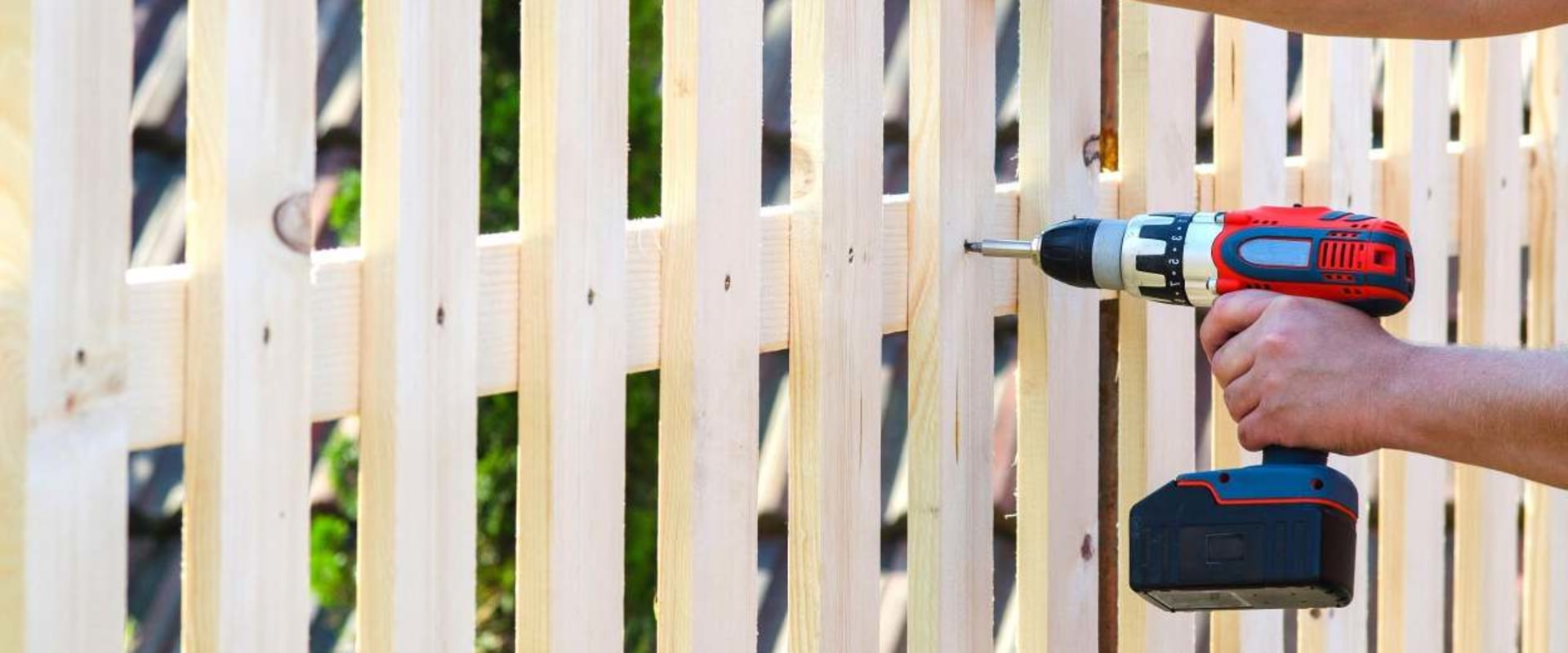
- Screwdriver or Drill: Depending on the type of aluminum fence you choose, you may need a screwdriver or drill to secure the panels to the posts. A cordless drill can make this task much easier.
- Safety Gear: Don’t forget to wear safety glasses and gloves to protect yourself while working with tools and materials.
Materials Needed for Your Aluminum Fence
- Aluminum Fence Panels: Choose panels that suit your style and needs. Consider factors such as height, design, and colour.
- Fence Posts: These are essential for supporting your panels. Ensure they are compatible with your chosen panels and are made from durable materials.
- Post Caps: These decorative elements not only enhance the appearance of your fence but also protect the tops of the posts from moisture.
- Concrete Mix: Use concrete to secure your posts in place.
This will provide stability and longevity to your fence.
- Screws or Fasteners: Make sure you have the appropriate screws or fasteners that are compatible with aluminum to secure the panels to the posts.
Step-by-Step Guide to Installing an Aluminum Fence Yourself
Installing an aluminum fence can be a rewarding DIY project that enhances your property’s security and aesthetic appeal.Follow this step-by-step guide to ensure a successful installation.
- Gather Your Materials and Tools: Before you begin, make sure you have all necessary materials, including aluminum fence panels, posts, gates, concrete mix, and screws. You will also need tools such as a post hole digger, level, measuring tape, and a power drill.
- Plan Your Layout: Determine the location of your fence by marking the corners with stakes and string. Measure the total length of the fence to ensure you purchase enough materials. Consider local regulations regarding fence height and placement.
- Dig Post Holes: Using a post hole digger, create holes for your fence posts.
The depth should be at least one-third of the post height to ensure stability. Space the holes according to the width of your aluminum panels, typically around 6 to 8 feet apart.
- Set the Posts: Place the posts into the holes and use a level to ensure they are vertical. Pour concrete mix into the holes around each post for added stability. Allow the concrete to cure as per the manufacturer’s instructions.
- Attach Fence Panels: Once the posts are set, begin attaching the aluminum panels.
Start at one end and work your way along, securing each panel to the posts with screws. Ensure that each panel is level before securing it completely.
- Install Gates: If your design includes gates, install them according to the manufacturer’s instructions. Ensure they swing freely and align properly with the adjacent panels.
- Final Touches: After all panels and gates are installed, check for any loose screws or misaligned sections. Make adjustments as necessary.
Finally, clean up your work area by removing any debris or excess materials.
Maintenance Tips for Your DIY Aluminum Fence
Maintaining your aluminum fence is crucial to ensure its longevity and aesthetic appeal. Unlike wood or vinyl, aluminum is resistant to rust and decay, but it still requires some care to keep it looking its best. Here are some essential maintenance tips to help you care for your fence:- Regular Cleaning: To prevent dirt and grime buildup, clean your aluminum fence at least twice a year.
Use a mild detergent mixed with water and a soft cloth or sponge. Avoid abrasive cleaners that can scratch the surface.
- Inspect for Damage: Regularly check for any signs of damage, such as dents or scratches. If you notice any, address them promptly to prevent further deterioration. Small scratches can often be touched up with paint designed for aluminum.
- Check the Hardware: Ensure that all screws, bolts, and hinges are secure.
Over time, these can loosen due to weather changes or regular use. Tightening them will help maintain the structural integrity of your fence.
- Remove Vegetation: Keep plants and shrubs trimmed back from the fence line. This not only enhances the appearance but also prevents moisture retention against the fence, which can lead to corrosion over time.
- Protect Against Corrosion: Although aluminum is resistant to rust, it can still corrode under certain conditions. If you live in an area with high salt exposure (like coastal regions), consider applying a protective coating every few years to shield against corrosion.
- Repaint When Necessary: If your aluminum fence has a powder-coated finish, it may fade over time.
Repainting or re-coating can restore its original look and provide an additional layer of protection against the elements.
When to Consider Professional Help Instead of DIY
While the allure of a DIY aluminum fence installation can be strong, there are specific scenarios where enlisting the help of a professional may be the wiser choice. Understanding these situations can save you time, money, and potential headaches down the line.1.Lack of Experience
If you have little to no experience with construction or fencing projects, attempting to install an aluminum fence on your own can be daunting. Professionals bring years of expertise and knowledge to the table, ensuring that the installation is done correctly and efficiently.
They are familiar with local building codes and regulations, which can prevent costly mistakes.
2.Complex Terrain
Properties with uneven ground, slopes, or challenging landscaping can complicate fence installation. Professionals have the tools and skills necessary to navigate these challenges effectively. They can assess the terrain and make adjustments to ensure that your aluminum fence is both functional and aesthetically pleasing.
3.Time Constraints
Installing a fence is not just about setting posts; it requires planning, measuring, and often multiple days of work. If you have a busy schedule or limited time to dedicate to this project, hiring a contractor can alleviate stress.
Professionals can complete the job in a fraction of the time it would take an inexperienced homeowner.
4.Warranty and Quality Assurance
Many professional fencing companies offer warranties on their work, providing peace of mind that your investment is protected. If any issues arise post-installation, you have recourse through the contractor. This assurance is particularly valuable for materials like aluminum, which require precise installation to ensure longevity.
5.Safety Concerns
Working with heavy materials and power tools poses safety risks, especially for those unfamiliar with construction practices. Professionals are trained to handle these tools safely and efficiently, reducing the risk of injury during installation.
6.Custom Designs
If you envision a unique design or specific features for your aluminum fence, professionals can help bring your vision to life.
They have access to a wider range of materials and styles than what might be available at local hardware stores, allowing for greater customization.In summary, while DIY projects can be rewarding, there are clear advantages to hiring professionals for aluminum fence installation in certain situations. Assessing your skills, time availability, and project complexity will guide you in making the best decision for your property.
<strong>Conclusion</strong>
In conclusion, the decision to undertake a DIY aluminum fence installation is one that requires careful consideration of both the benefits and drawbacks. While the allure of saving on labor costs and the satisfaction of completing a project yourself can be enticing, it is essential to weigh these factors against the potential challenges and long-term implications.One of the primary advantages of installing an aluminum fence yourself is the cost savings. By eliminating professional labor fees, homeowners can allocate their budget towards higher-quality materials or additional landscaping features.Furthermore, aluminum fences are known for their durability and low maintenance requirements, making them a wise investment for those looking to enhance their property’s security and aesthetic appeal.However, it is crucial to acknowledge the skills and time commitment involved in a DIY project. Installing an aluminum fence requires a certain level of expertise in measuring, digging post holes, and ensuring proper alignment. For those without prior experience in fencing or construction, this can lead to mistakes that may compromise the fence's integrity or appearance. Additionally, unforeseen challenges such as rocky soil or local regulations can add complexity to the installation process.Moreover, while DIY projects can foster a sense of accomplishment and family bonding, they can also become sources of frustration if not executed properly.
It is vital to assess your own capabilities honestly and consider whether you have the necessary tools and knowledge to complete the job effectively.Ultimately, whether you choose to install an aluminum fence yourself or hire a professional should depend on your individual circumstances, including your budget, skill level, and time availability. If you decide to go the DIY route, thorough research and planning are essential to ensure a successful outcome. On the other hand, enlisting the help of professionals can provide peace of mind and guarantee a high-quality installation that meets all safety standards.In summary, both DIY and professional installations have their merits. By carefully evaluating your options and understanding what each entails, you can make an informed decision that best suits your needs and enhances your property for years to come.