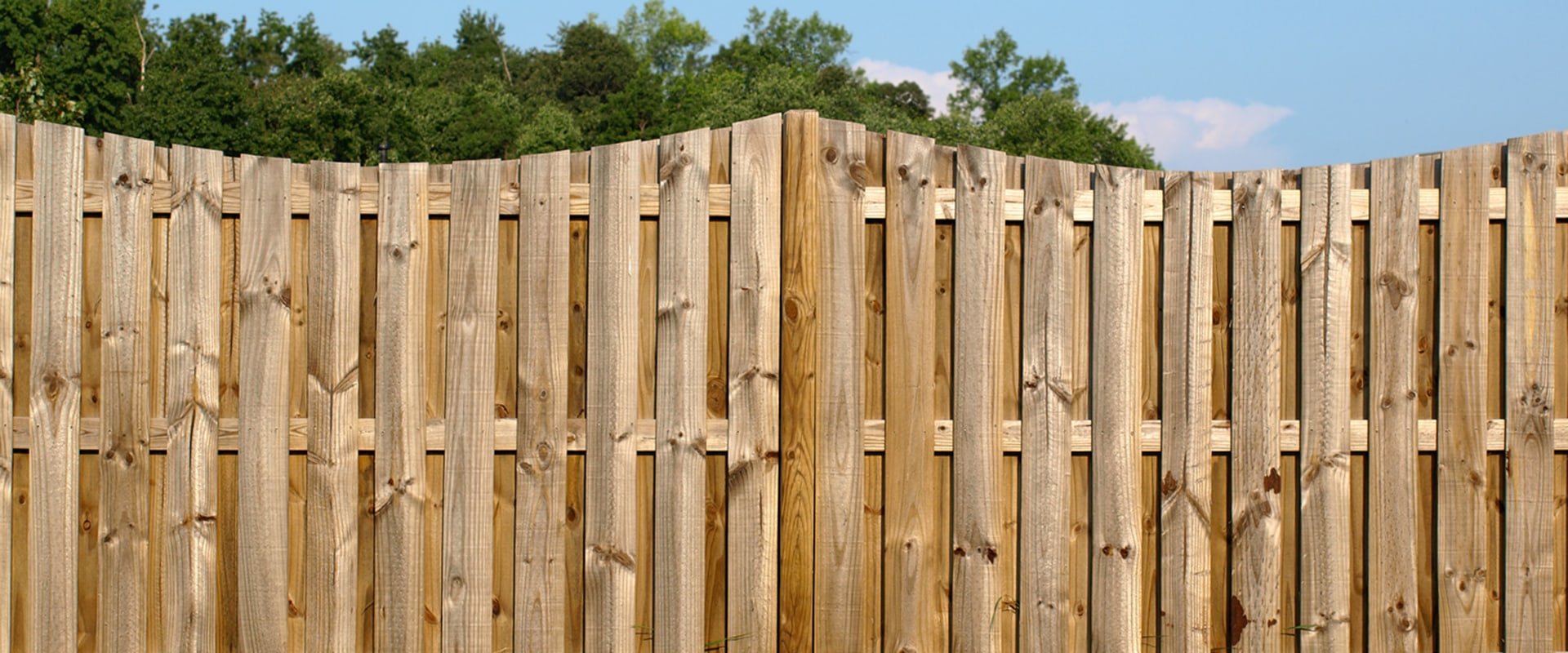
When it comes to enhancing your property, the choice of fencing plays a crucial role that extends beyond mere aesthetics. A well-selected fence not only defines the boundaries of your home but also contributes significantly to your overall security and privacy. For homeowners, understanding the importance of choosing the right fence is essential, especially when balancing functionality with budget constraints. The right fencing option can elevate the look of your property while providing peace of mind.Budget-friendly fencing options are particularly appealing for those looking to improve their homes without incurring excessive costs.
With a myriad of materials available, from traditional wood to modern alternatives like aluminum fences, homeowners have the opportunity to select a solution that meets their financial and practical needs. However, it’s vital to consider not just the initial investment but also the long-term maintenance costs associated with each type of fence.Moreover, the right fence can enhance your property’s curb appeal, potentially increasing its value in the real estate market. A visually appealing fence can create a welcoming atmosphere while also serving as a deterrent against intruders. Therefore, when choosing a fence, it’s important to weigh factors such as durability, maintenance requirements, and how well it complements your home’s design.In summary, selecting an appropriate fence is a decision that impacts both your home’s security and its visual appeal.
By exploring various budget-friendly options and understanding their benefits and drawbacks, homeowners can make informed choices that align with their needs and preferences.
Aluminum Fencing: A Cost-Effective Solution
When considering fencing options that are both budget-friendly and durable, aluminum fencing stands out as a top contender. This material offers a unique blend of strength, aesthetic appeal, and low maintenance, making it an attractive choice for homeowners looking to enhance their property without overspending.Benefits of Aluminum Fencing
- Durability: Aluminum fences are highly resistant to rust and corrosion, which is particularly beneficial in New Zealand's varied climate. Unlike wood or iron, aluminum does not warp or rot, ensuring that your investment lasts for many years.
- Low Maintenance: One of the most significant advantages of aluminum fencing is its minimal upkeep requirements. A simple wash with soap and water is usually sufficient to keep it looking new, unlike wooden fences that may require regular staining or painting.
- Aesthetic Appeal: Available in a variety of styles and finishes, aluminum fencing can complement any home design.
Whether you prefer a classic look or a modern aesthetic, there’s an aluminum option that can enhance your property’s curb appeal.
- Security: Aluminum fences provide a sturdy barrier that can deter intruders while still allowing visibility. This makes them an excellent choice for homeowners who want to maintain an open feel while ensuring safety.
Cost Considerations
The initial cost of aluminum fencing can be higher than some other materials like chain link or wood. However, when you factor in the long-term savings from reduced maintenance and replacement costs, aluminum proves to be a cost-effective solution. On average, homeowners can expect to pay between NZD 100 to NZD 150 per linear meter for aluminum fencing, depending on the style and height.
Aluminum vs Other Materials
When comparing aluminum fencing to other materials such as wood or vinyl, several key differences emerge:
- Wood: While wooden fences can offer a traditional look, they require significant maintenance and are prone to rot and insect damage.
In contrast, aluminum’s durability means it will not suffer from these issues.
- Vinyl: Vinyl fencing is also low maintenance but can be more expensive upfront than aluminum. Additionally, vinyl may not provide the same level of security as aluminum due to its flexibility.
Comparing Aluminum Fencing to Other Budget-Friendly Options
When considering fencing options, it’s essential to evaluate the strengths and weaknesses of each material.Aluminum fencing
stands out as a versatile choice, but how does it measure up against other budget-friendly materials like wood, vinyl, and chain link? Let’s delve into a comparative analysis to help homeowners make an informed decision.Aluminum vs.
Wood FencingWood fencing is often lauded for its natural beauty and traditional appeal. However, it comes with significant drawbacks:
- Maintenance: Wood requires regular upkeep, including staining or painting, to prevent rot and weather damage.
- Durability: While some woods are more resilient than others, they can warp or splinter over time, especially in harsh climates.
- Cost: Although initial costs may be lower for wood, long-term maintenance can add up significantly.
- Low Maintenance: Aluminum is resistant to rust and corrosion, requiring minimal upkeep.
- Longevity: With a lifespan of 20 years or more, aluminum outlasts many wood options.
- Aesthetic Variety: Available in various styles and finishes, aluminum can mimic the look of wrought iron without the hefty price tag.
Aluminum vs. Vinyl Fencing
Vinyl fencing is another popular choice due to its low maintenance and variety of styles. However, it has its limitations:- Cost: Vinyl can be more expensive upfront compared to aluminum.
- Temperature Sensitivity: Extreme heat can cause vinyl to warp or fade over time.
- Aesthetic Limitations: While available in various colors, vinyl lacks the classic elegance that aluminum can provide.
- Strength: Aluminum is robust and can withstand impacts better than vinyl.
- Customizability: Homeowners can choose from a range of designs that suit their property’s style.
- Sustainability: Aluminum is recyclable, making it an eco-friendly option compared to vinyl.
Its low maintenance requirements and aesthetic versatility make it an appealing choice in comparison to wood and vinyl options.
The Pros and Cons of Aluminum Fencing
When considering fencing options, aluminum fencing stands out as a popular choice for many homeowners. Its unique blend of durability, aesthetic appeal, and low maintenance makes it an attractive option. However, like any material, it comes with its own set of advantages and disadvantages that should be carefully weighed before making a decision.Advantages of Aluminum Fencing
- Durability: Aluminum fences are highly resistant to rust and corrosion, making them ideal for various climates, including those with high humidity or coastal areas. This durability ensures that your fence will maintain its appearance and structural integrity over time.
- Low Maintenance: Unlike wood or vinyl fences that may require regular painting or staining, aluminum fencing requires minimal upkeep.
A simple wash with soap and water is usually sufficient to keep it looking new.
- Aesthetic Appeal: Available in a variety of styles and colors, aluminum fencing can enhance the visual appeal of your property. Its sleek lines and elegant designs can complement any architectural style.
- Security: Aluminum fences provide a strong barrier that can deter intruders. When installed correctly, they can be an effective security measure for your home.
- Environmentally Friendly: Aluminum is a recyclable material, making it a more sustainable choice compared to other fencing options. Choosing aluminum fencing can contribute to reducing your carbon footprint.
Disadvantages of Aluminum Fencing
- Cost: While aluminum fencing is generally more affordable than wrought iron, it can still be more expensive than other materials like wood or chain link.
Homeowners should consider their budget when selecting this option.
- Less Privacy: Aluminum fences typically do not provide the same level of privacy as solid wood or vinyl fences. The open design may not be suitable for those seeking complete seclusion from neighbors.
- Potential for Damage: Although durable, aluminum can be prone to dents and scratches if struck by heavy objects or during severe weather conditions. This could affect the overall appearance of the fence.
- Installation Challenges: Proper installation is crucial for maximizing the benefits of aluminum fencing. If not installed correctly, it may not provide the desired level of security or aesthetic appeal.
By weighing these pros and cons against personal needs and preferences, you can make an informed decision about whether aluminum fencing is the right choice for your property.
Installation Considerations for Aluminum Fencing
Installing an aluminum fence can be a rewarding project for homeowners looking to enhance their property’s security and aesthetic appeal. However, it’s essential to approach the installation process with careful planning and consideration. Here are some key factors to keep in mind when installing an aluminum fence.Preparation and Planning
Before you begin the installation, take the time to plan your project thoroughly. Start by determining the layout of your fence:- Check Local Regulations: Consult your local council or homeowners' association for any regulations regarding fence height, style, and placement.
- Mark Your Property Lines: Use stakes and string to outline where the fence will go, ensuring you stay within your property boundaries.
- Gather Necessary Tools: Common tools needed for installation include a post hole digger, level, measuring tape, and a power drill.
Installation Steps
The installation of an aluminum fence typically involves several steps:- Digging Post Holes: Dig holes for the fence posts at least 600mm deep to ensure stability.
The spacing between posts should generally be around 2.4m.
- Setting the Posts: Place the posts in the holes and use concrete to secure them. Ensure they are level and plumb before the concrete sets.
- Attaching Panels: Once the posts are set, attach the aluminum panels according to the manufacturer’s instructions. Make sure they are aligned properly for a clean look.
- Finishing Touches: After all panels are installed, check for any adjustments needed and clean up the area.
DIY vs. Professional Installation
If you’re handy with tools and have some experience with home improvement projects, installing an aluminum fence can be a feasible DIY task.However, consider hiring professionals if:
- You lack experience with similar projects.
- Your property has challenging terrain or slopes that require specialized knowledge.
- You want to ensure a flawless finish without the risk of mistakes that could lead to additional costs.
Maintenance Tips for Aluminum Fences
Aluminum fences are a popular choice among homeowners due to their durability, low maintenance requirements, and aesthetic appeal. However, like any other fencing material, they still require some care to maintain their appearance and functionality over time. Here are some practical tips for caring for aluminum fences to ensure they remain in excellent condition.Regular Cleaning
One of the simplest yet most effective ways to maintain your aluminum fence is through regular cleaning.Dirt, grime, and environmental pollutants can accumulate on the surface, leading to a dull appearance. To clean your fence:
- Use a mild detergent: Mix warm water with a gentle soap or detergent. Avoid harsh chemicals that could damage the finish.
- Soft cloth or sponge: Use a soft cloth or sponge to gently scrub the surface of the fence. This will help remove any dirt without scratching the aluminum.
- Rinse thoroughly: After scrubbing, rinse the fence with clean water to remove any soap residue.
Inspect for Damage
Regular inspections are crucial for identifying any potential issues before they escalate.Look for signs of wear and tear, such as:
- Scratches or dents: These can occur from impacts or weather conditions. Addressing them early can prevent rusting.
- Loose panels or posts: Ensure that all components are securely fastened. Tighten any loose screws or bolts as needed.
Protecting the Finish
The finish on your aluminum fence is designed to withstand the elements, but it can still benefit from additional protection:- Avoid abrasive materials: When cleaning or maintaining your fence, steer clear of steel wool or abrasive pads that can scratch the surface.
- Consider waxing: Applying a coat of automotive wax can provide an extra layer of protection against UV rays and environmental damage.
Addressing Rust and Corrosion
While aluminum is resistant to rust, it can still corrode under certain conditions. If you notice any signs of corrosion:- Remove corrosion promptly: Use a fine-grit sandpaper to gently sand away any corroded areas.
- Repaint if necessary: If sanding reveals bare metal, consider applying a touch-up paint specifically designed for aluminum to protect it from further damage.
Regular care not only enhances the fence's appearance but also extends its lifespan, making it a worthwhile investment for your property.
Cost Analysis: Budgeting for Your Aluminum Fence Project
When considering an aluminum fence for your property, understanding the costs involved is crucial for effective budgeting. Aluminum fencing is often regarded as a cost-effective solution due to its durability and low maintenance requirements, but there are several factors that can influence the overall price.1.Material Costs
- The price of aluminum fencing typically ranges from NZD 80 to NZD 120 per linear meter, depending on the style and height of the fence.
- Higher-quality aluminum or decorative styles may cost more, so it’s essential to choose a design that fits both your aesthetic preferences and budget.
2.Installation Expenses
- If you opt for professional installation, expect to pay an additional NZD 50 to NZD 100 per linear meter. This cost can vary based on the complexity of the installation and local labor rates.
- For those with DIY skills, installing the fence yourself can significantly reduce costs, but be sure to factor in tools and equipment rental if needed.
3.Additional Costs
- Don’t forget to include costs for permits, which may be required in your area. These can range from NZD 50 to NZD 200.
- Consider any additional features such as gates, which can add anywhere from NZD 200 to NZD 600 depending on the size and style.
4.Long-Term Savings
While the initial investment in an aluminum fence may be higher than some other materials, its longevity and minimal maintenance needs can lead to significant savings over time.
Unlike wood fences that require regular staining or painting, aluminum fences are resistant to rust and corrosion, making them a smart long-term choice.In summary, when budgeting for your aluminum fence project, consider all associated costs including materials, installation, permits, and any additional features. By doing so, you can ensure that your investment not only enhances your property’s value but also fits comfortably within your financial plan.
Frequently Asked Questions About Aluminum Fencing
When considering an aluminum fence for your property, homeowners often have a range of questions and concerns. Below are some of the most frequently asked questions about aluminum fencing, along with detailed answers to help you make an informed decision.What are the benefits of aluminum fencing?
Aluminum fencing offers numerous advantages, making it a popular choice among homeowners:- Durability: Aluminum is resistant to rust and corrosion, ensuring that your fence will maintain its appearance and structural integrity over time.
- Low Maintenance: Unlike wood or vinyl, aluminum requires minimal upkeep. A simple wash with soap and water is usually sufficient to keep it looking new.
- Aesthetic Appeal: Available in various styles and colors, aluminum fences can enhance the visual appeal of your property while providing security.
- Cost-Effective: While the initial investment may be higher than some other materials, the long-term savings on maintenance and replacement make it a cost-effective option.
Are aluminum fences secure?
Yes, aluminum fences can provide a high level of security.They are typically designed with vertical pickets that deter climbing and can be installed with locking gates for added safety. However, for maximum security, consider pairing your aluminum fence with additional features such as motion sensors or security cameras.
How long does an aluminum fence last?
An aluminum fence can last for several decades if properly installed and maintained. Factors such as climate, installation quality, and exposure to harsh elements can influence its lifespan. Generally, you can expect an aluminum fence to last anywhere from 20 to 30 years.Can I install an aluminum fence myself?
While it is possible for homeowners with DIY experience to install an aluminum fence themselves, hiring a professional is often recommended.Proper installation is crucial for ensuring the fence's longevity and effectiveness. Professionals have the tools and expertise to handle any challenges that may arise during installation.
What should I consider before purchasing an aluminum fence?
Before making a purchase, consider the following factors:- Local Regulations: Check with your local council regarding zoning laws and regulations that may affect your fencing options.
- Style and Design: Choose a style that complements your home’s architecture and landscape.
- Height Requirements: Determine the appropriate height for your needs, whether for privacy or security.
Conclusion: Making the Right Choice for Your Home's Fencing Needs
In conclusion, selecting the right fencing option for your home is a significant decision that can impact both your property’s aesthetics and functionality. Throughout this article, we have explored various budget-friendly fencing materials, each with its unique advantages and disadvantages. Among these options, aluminum fencing stands out as a particularly appealing choice for homeowners seeking a balance between cost, durability, and visual appeal.Aluminum fences are not only lightweight and easy to install, but they also require minimal maintenance compared to traditional wooden fences.This means that once installed, you can enjoy the benefits of your fence without the ongoing costs associated with upkeep. Additionally, aluminum is resistant to rust and corrosion, making it an ideal choice for homeowners in areas with harsh weather conditions.Moreover, the aesthetic versatility of aluminum fencing cannot be overlooked. Available in a variety of styles and finishes, it can complement any architectural design while providing a modern touch to your property. Whether you prefer a classic look or something more contemporary, there is likely an aluminum fence that fits your vision.When considering your options, it’s essential to evaluate your specific needs—be it privacy, security, or simply enhancing your home’s curb appeal.
While other materials like vinyl or wood may offer certain benefits, aluminum fencing combines affordability with long-term value.Ultimately, making an informed decision involves weighing the pros and cons of each material against your budget and personal preferences. By choosing aluminum fencing, you are investing in a solution that not only meets your immediate needs but also adds lasting value to your home.As you embark on this journey to enhance your property’s boundaries, remember that the right fence can transform your outdoor space while providing peace of mind. With its blend of durability, low maintenance requirements, and aesthetic flexibility, aluminum fencing emerges as a top contender for homeowners looking for budget-friendly solutions.