When it comes to enhancing the beauty and security of your garden, selecting a budget-friendly fencing option is crucial. With a myriad of choices available, homeowners often find themselves overwhelmed by the options that promise both affordability and functionality. A well-chosen fence not only defines the boundaries of your property but also adds aesthetic appeal and can even increase the value of your home. Therefore, understanding which type of fence has the least maintenance among the various option is crucial. With a myriad of choices available, homeowners often find themselves overwhelmed by the options that promise both affordability and functionality. A well-chosen fence not only defines the boundaries of your property but also adds aesthetic appeal and can even increase the value of your home. Therefore, understanding which type of fence has the least maintenance among the various affordable garden fence solutions is essential for making an informed decision.Among the many materials available, aluminum fences stand out as a particularly attractive option for those looking to balance cost with durability and style.
Unlike traditional wooden fences that may require frequent maintenance and replacement, aluminum fences offer a long-lasting solution that can withstand the elements without succumbing to rot or rust. This makes them an ideal choice for homeowners who want a low-maintenance yet visually appealing fence.In this article, we will explore various fencing options for gardens , focusing on their costs, benefits, and potential drawbacks. By examining these factors closely, you will be better equipped to choose a fencing solution that not only fits your budget but also meets your specific needs and preferences. Whether you are looking to create a private oasis or simply define your garden space, understanding the landscape of affordable fencing options will empower you to make the best choice for your home.
Understanding Aluminum Fencing
Aluminum fencing has gained significant popularity among homeowners looking for a cost-effective yet stylish solution for their gardens.This type of fencing is made from lightweight, durable aluminum, which offers a range of benefits that make it an attractive option for those on a budget.
Benefits of Aluminum Fencing
- Affordability: One of the primary reasons homeowners opt for aluminum fencing is its affordability. Compared to traditional materials like wood or wrought iron, aluminum provides a similar aesthetic appeal at a fraction of the cost.
- Low Maintenance: Aluminum fences are incredibly low maintenance. Unlike wood, which requires regular staining or painting to prevent rot and decay, aluminum is resistant to rust and corrosion. This means you can enjoy your fence without the hassle of constant upkeep.
- Versatility: Available in various styles and colors, aluminum fencing can complement any garden design.
Whether you prefer a classic look or something more modern, there’s an aluminum option to suit your taste.
- Security: Aluminum fences provide a solid barrier that can enhance the security of your property. With options for taller designs and added features like gates, you can create a safe environment for children and pets.
Cost Considerations
The cost of aluminum fencing can vary based on several factors, including the height of the fence, the style chosen, and the complexity of the installation. On average, homeowners can expect to pay between NZD 100 to NZD 150 per linear meter for materials alone. While this may seem higher than some other budget options, the long-term savings in maintenance and replacement costs make it a wise investment.
Durability of Aluminum Fencing
One of the standout features of aluminum fencing is its remarkable durability.
Unlike wood that can warp or splinter over time, aluminum is designed to withstand harsh weather conditions without losing its structural integrity. It is also resistant to pests such as termites, which can be a significant concern with wooden fences. With proper installation and care, an aluminum fence can last for decades, making it one of the most reliable choices for garden fencing.In summary, aluminum fencing offers an excellent balance of affordability, low maintenance requirements, and durability. For budget-conscious homeowners looking to enhance their garden's aesthetics while ensuring security and longevity, aluminum fencing stands out as a top contender.
Comparing Aluminum Fencing to Other Budget-Friendly Options
When considering fencing options for your garden, aluminum fencing stands out as a popular choice, especially when compared to other budget-friendly materials like wood and vinyl.Each material has its own set of advantages and disadvantages, making it essential to evaluate them based on cost, longevity, maintenance, and aesthetic appeal.
Cost Comparison
In terms of initial investment, aluminum fencing is generally more expensive than wood but can be more affordable than high-quality vinyl options. The average cost of aluminum fencing ranges from NZD 100 to NZD 150 per linear metre, while wood fencing can be found for as low as NZD 50 per linear metre. However, it’s crucial to consider the long-term costs associated with each material. Wood may require frequent repairs and replacements due to rot and insect damage, which can add up over time.Longevity and Durability
One of the most significant advantages of aluminum fencing is its durability.Unlike wood, which can warp, splinter, or decay over time, aluminum is resistant to rust and corrosion. This makes it an excellent choice for areas with high moisture levels or extreme weather conditions. On the other hand, vinyl fencing is also durable but can become brittle in extreme temperatures. Generally, aluminum fences can last 20 years or more with minimal maintenance, while wood may only last 10-15 years if not properly cared for.
Maintenance Requirements
When it comes to maintenance, aluminum fencing requires very little effort.A simple wash with soap and water is usually sufficient to keep it looking new. In contrast, wood fences need regular staining or painting to protect against the elements and prevent deterioration. Vinyl fences are relatively low-maintenance as well; however, they can be prone to fading and may require occasional cleaning to remove dirt and stains.
Aesthetic Appeal
Aesthetically, aluminum fencing offers a sleek and modern look that can enhance the overall appearance of your garden. It comes in various styles and colours, allowing homeowners to choose a design that complements their landscape.Wood fencing provides a classic and natural look that many find appealing; however, it may not suit every garden style. Vinyl fencing also offers a range of styles but may lack the authentic feel that wood provides.In conclusion, while aluminum fencing may have a higher upfront cost compared to wood and similar pricing to vinyl in some cases, its longevity and low maintenance requirements make it a worthwhile investment for many homeowners. Evaluating your specific needs and preferences will help you make an informed decision on the best budget-friendly fencing option for your garden.
Cost Analysis of Aluminum Fencing
When considering an aluminum fence for your garden, understanding the cost implications is crucial. The overall expense can vary significantly based on several factors, including the type of aluminum used, the height of the fence, and the complexity of the installation process.1.Initial Material Costs
- The price of aluminum fencing typically ranges from NZD 100 to NZD 200 per linear meter.
This variation is influenced by the quality of the aluminum and any additional features such as decorative elements or coatings.
- Higher-grade aluminum, which offers better resistance to corrosion and fading, may come at a premium but can save you money in the long run due to reduced maintenance needs.
2.Installation Expenses
- Installation costs can add another NZD 50 to NZD 100 per linear meter. Hiring a professional installer is often recommended to ensure proper alignment and stability, especially for taller fences.
- If you opt for a DIY installation, you can save on labor costs, but be prepared to invest time and effort into the project.
3.Additional Costs to Consider
- Permits: Depending on your local regulations, you may need to obtain permits before installing your fence, which can incur additional fees.
- Site Preparation: If your garden requires significant site preparation—such as clearing vegetation or leveling the ground—this can also increase your overall costs.
- Maintenance: While aluminum fencing is generally low-maintenance, occasional cleaning and inspections are necessary to ensure its longevity. Factor in these potential costs when budgeting.
Installation Process for Aluminum Fencing
Installing an aluminum fence can be a straightforward process, especially for those who are handy and willing to take on a DIY project.However, understanding the steps involved and knowing when to call in professionals can save you both time and money.
Step-by-Step Installation Process
- Planning and Measurement: Before you begin, it’s crucial to plan your fence layout. Measure the area where you want to install the fence, marking the corners and any gates. This will help you determine how much material you need.
- Gathering Materials: Purchase your aluminum fencing panels, posts, gates, and any necessary hardware. Ensure that you have all the tools required for installation, including a post hole digger, level, and concrete mix.
- Preparing the Site: Clear the area of any debris, plants, or obstacles.
This will make it easier to dig post holes and ensure a clean installation.
- Digging Post Holes: Using a post hole digger, create holes for your fence posts. The depth of these holes should be at least one-third of the post height to ensure stability.
- Setting the Posts: Place the posts into the holes and use a level to ensure they are straight. Fill the holes with concrete mix to secure them in place. Allow the concrete to cure as per the manufacturer’s instructions.
- Attaching Panels: Once the posts are set, begin attaching the aluminum panels between them.
Use brackets or screws as specified in your fencing kit. Ensure each panel is level before securing it completely.
- Installing Gates: If your design includes gates, install them last. Make sure they swing freely and align properly with the rest of the fence.
- Final Touches: After installation, inspect your work for any adjustments needed. Clean up any excess materials from your site.
DIY vs Professional Installation
If you have basic DIY skills and tools, installing an aluminum fence can be a rewarding project that saves you money on labor costs.
However, if you’re unsure about any part of the process or if your yard has challenging terrain, hiring a professional may be wise. Professional installation costs can vary based on location and complexity but typically range from NZD 50 to NZD 100 per hour.In conclusion, whether you choose to tackle this project yourself or hire a professional, understanding the installation process is key to achieving a beautiful and functional aluminum fence that enhances your garden while staying within budget.
Maintenance Tips for Aluminum Fencing
Maintaining your aluminum fence is essential for ensuring its longevity and preserving its aesthetic appeal. Unlike traditional wooden fences that may require frequent painting or staining, aluminum fences are designed to be low-maintenance. However, a few simple care practices can significantly enhance their durability and appearance.Regular Cleaning
One of the most effective ways to maintain your aluminum fence is through regular cleaning.Over time, dirt, grime, and environmental pollutants can accumulate on the surface, dulling its shine. To clean your fence:
- Use a Soft Cloth or Sponge: Start by using a soft cloth or sponge to wipe down the surface. Avoid abrasive materials that could scratch the finish.
- Soap and Water Solution: Mix mild soap with warm water and apply it to the fence using your cloth or sponge. This will help remove any stubborn stains.
- Rinse Thoroughly: After cleaning, rinse the fence with clean water to remove any soap residue.
This step is crucial as leftover soap can lead to streaking.
Preventing Corrosion
While aluminum is naturally resistant to rust, it can still be susceptible to corrosion if not properly maintained. Here are some preventative measures:- Inspect for Damage: Regularly check for any signs of damage, such as scratches or dents. Addressing these issues promptly can prevent corrosion from setting in.
- Avoid Contact with Saltwater: If you live near the coast, be mindful of saltwater exposure, which can accelerate corrosion. Rinse your fence with fresh water after heavy storms or high winds.
- Apply Protective Coating: Consider applying a protective wax or sealant designed for aluminum surfaces every few years.
This adds an extra layer of protection against the elements.
Seasonal Maintenance
Seasonal changes can impact your aluminum fence's condition. In autumn, ensure that leaves and debris do not accumulate at the base of the fence, as this can trap moisture and lead to corrosion. In winter, clear away snow and ice buildup to prevent damage from freezing temperatures.By following these maintenance tips, you can ensure that your aluminum fence remains a beautiful and functional part of your garden for many years to come. Regular care not only enhances its appearance but also extends its lifespan, making it a wise investment for any homeowner.Aesthetic Appeal of Aluminum Fencing in Gardens
When it comes to enhancing the visual appeal of your garden, aluminum fencing offers a versatile and stylish solution.With a variety of designs available, aluminum fences can seamlessly integrate into your landscaping, adding both elegance and functionality.
Aluminum Fence Designs
- Classic Picket Fences: These fences feature evenly spaced vertical slats and are perfect for creating a traditional garden look. They can be painted in various colors to match your garden's theme.
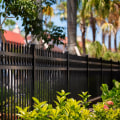
- Ornamental Styles: For those looking to add a touch of sophistication, ornamental aluminum fences come with decorative elements such as scrolls and finials. These designs not only provide security but also serve as a stunning backdrop for flowering plants.
- Privacy Panels: If you desire more seclusion, aluminum fences can be designed with solid panels that block views while still allowing airflow. This style is ideal for creating a private retreat within your garden.
- Contemporary Designs: Sleek and minimalist aluminum fencing options are available for modern gardens.
These designs often feature horizontal slats or geometric patterns that complement contemporary landscaping.
Enhancing Garden Aesthetics
The right aluminum fence can significantly enhance the overall aesthetics of your garden. For instance, pairing a decorative aluminum fence with climbing plants can create a beautiful focal point. Vines such as jasmine or clematis can be trained to grow along the fence, softening its appearance and adding layers of texture.Moreover, the reflective quality of aluminum can brighten up shaded areas in your garden, making it feel more open and inviting. When choosing a color for your aluminum fence, consider shades that harmonize with your existing plants and flowers.
A dark fence can provide a striking contrast against vibrant blooms, while lighter colors can create a more subtle and cohesive look.In conclusion, aluminum fencing not only serves practical purposes but also plays a crucial role in enhancing the beauty of your garden. By selecting the right design and color, you can create an inviting outdoor space that reflects your personal style.
Frequently Asked Questions about Aluminum Fencing
When considering an aluminum fence for your garden, it's natural to have questions. Below are some of the most frequently asked questions that can help clarify any concerns you may have.1.Is aluminum fencing durable?
Yes, aluminum fencing is known for its durability. Unlike wood, which can rot or warp over time, aluminum is resistant to rust and corrosion.This makes it an excellent choice for various weather conditions, ensuring that your fence will maintain its appearance and structural integrity for many years.
2.How much maintenance does an aluminum fence require?
One of the significant advantages of aluminum fencing is its low maintenance requirements. Unlike other materials that may need regular painting or staining, aluminum fences typically only require occasional cleaning with soap and water to remove dirt and debris. This makes it a hassle-free option for homeowners.3.Can I install an aluminum fence myself?
While it is possible to install an aluminum fence yourself, it is recommended to hire a professional for the best results. Proper installation is crucial for ensuring the fence's longevity and stability.If you choose to do it yourself, be sure to follow the manufacturer's guidelines closely.
4.Are there different styles available?
Absolutely! Aluminum fencing comes in a variety of styles and colors, allowing you to choose a design that complements your garden and home aesthetic. From classic picket styles to modern designs, there’s something to suit every taste.5.Is aluminum fencing safe for pets and children?
Yes, aluminum fences can provide a safe environment for pets and children when installed correctly. The height and design of the fence can deter pets from jumping over or squeezing through, while also keeping children safe within the yard.6.What about the cost compared to other materials?
While the initial cost of aluminum fencing may be higher than some other materials like wood or chain link, its long-term benefits often outweigh these costs. Considering its durability and low maintenance needs, many homeowners find that aluminum fencing is a cost-effective solution in the long run.If you have more specific questions or concerns about aluminum fencing, don’t hesitate to reach out to a local fencing expert who can provide tailored advice based on your unique situation.Conclusion: Making the Right Choice for Your Garden Fence
In conclusion, selecting the right fence for your garden is a decision that requires careful consideration of various factors, especially when working within a budget.Among the options available, an aluminum fence stands out as a particularly appealing choice for many homeowners.Throughout this article, we have explored the numerous benefits of aluminum fencing, including its affordability, durability, and low maintenance requirements. Unlike traditional wooden fences that may warp or rot over time, aluminum fences are resistant to the elements, ensuring they maintain their appearance and structural integrity for years to come.When considering your specific needs, it’s essential to evaluate:
- Purpose: Determine whether your fence is primarily for security, aesthetics, or both. Aluminum fences can provide a stylish look while also offering a level of protection for your garden.
- Style: Aluminum fencing comes in various designs and finishes, allowing you to choose one that complements your garden's aesthetic. Whether you prefer a classic look or something more modern, there’s an option available.
- Installation: While aluminum fencing is generally easier to install than other materials, consider whether you will hire a professional or take on the project yourself.
This can impact your overall budget.
- Long-term costs: Although the initial investment in an aluminum fence may be higher than some cheaper alternatives, its longevity and minimal maintenance can lead to savings over time.