As a dog owner, ensuring the safety and well-being of your furry companion is paramount. One of the most effective ways to achieve this is by investing in a secure fence. A well-constructed fence not only keeps your dog contained within your property but also protects them from potential dangers outside, such as traffic, aggressive animals, or even strangers. The importance of having a reliable fencing solution cannot be overstated, as it provides both physical security and peace of mind for pet owners.Dogs are naturally curious creatures, often driven by their instincts to explore their surroundings.
Without a proper barrier, they may wander off, putting themselves at risk of injury or getting lost. Moreover, a secure fence acts as a deterrent against unwanted visitors—be it other animals or people—who might pose a threat to your pet's safety. This is especially crucial in urban areas where the hustle and bustle can lead to unforeseen hazards.Furthermore, having a designated space for your dog to roam freely contributes significantly to their mental and physical health. Dogs require regular exercise and stimulation, and a fenced yard allows them to play safely without the constant supervision that an unfenced area demands.
This freedom not only enhances their quality of life but also strengthens the bond between you and your pet, as you can enjoy outdoor activities together without worry.In summary, investing in a secure fence is an essential step for any responsible dog owner. It safeguards your pet from external threats while providing them with the freedom to enjoy their environment safely. As we delve into various fencing options available on a budget, keep in mind that the right choice will ultimately enhance your dog's safety and happiness.
Budget-Friendly Fencing Options for Dogs
When it comes to keeping your furry friends safe without breaking the bank, there are several budget-friendly fencing options available. Each option has its own set of advantages and disadvantages, making it essential for dog owners to evaluate their specific needs and circumstances before making a decision.1.Chain Link Fencing
- Pros: Chain link fences are relatively inexpensive and easy to install.
They provide a clear boundary for your dog while allowing visibility, which can help reduce anxiety for both pets and owners.
- Cons: While chain link is durable, it may not be suitable for dogs that are determined climbers or diggers. Additionally, the open design may not deter some breeds from attempting to escape.
2.Wire Fencing
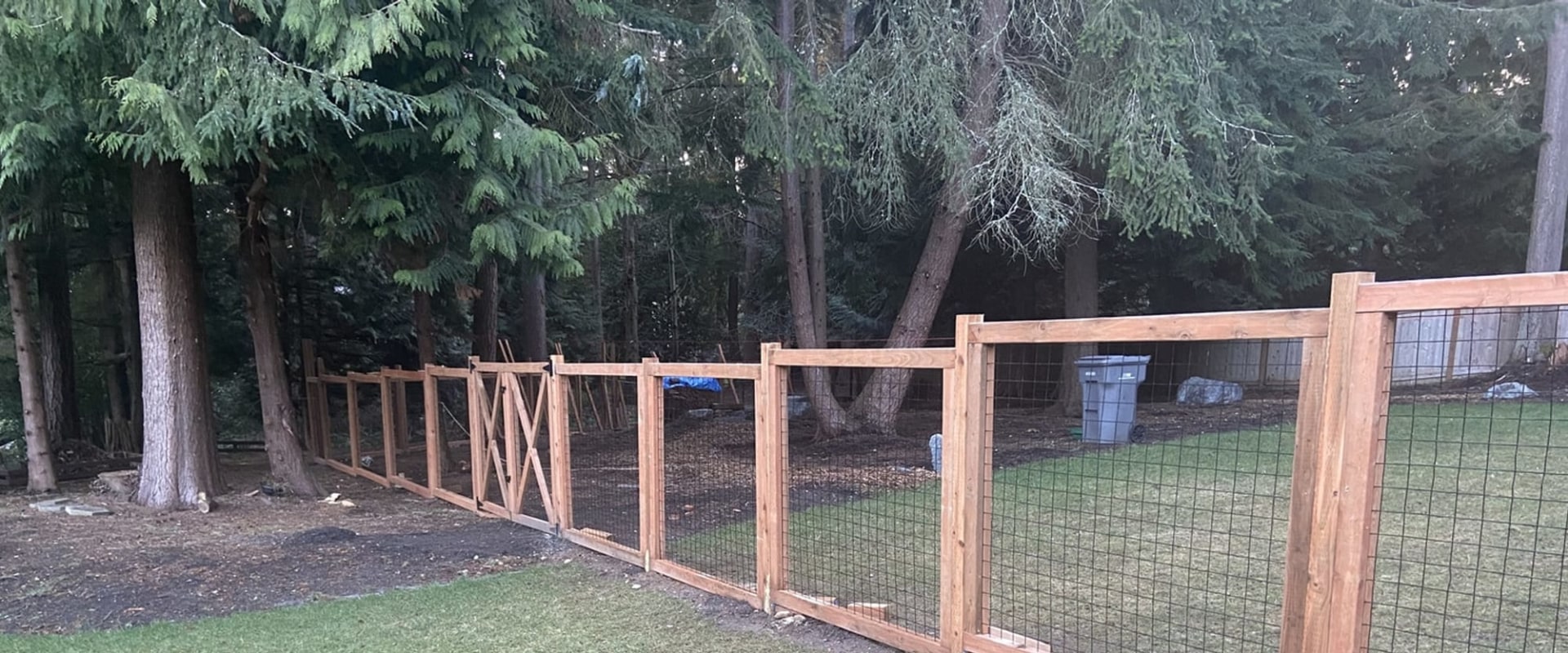
- Pros: Wire fencing is one of the most affordable options available. It can be easily adapted for DIY projects and is particularly effective for smaller dogs that are less likely to escape.
- Cons: This type of fencing may not withstand larger or more energetic dogs, as they can chew through or jump over it. Moreover, wire fences can be less aesthetically pleasing compared to other options.
3.Aluminum Fencing
- Pros: Although slightly more expensive than wire or chain link, aluminum fences offer a great balance between cost and durability.
They are resistant to rust and corrosion, making them ideal for various weather conditions. Their sturdy construction can withstand chewing and scratching from dogs.
- Cons: The initial investment is higher than some other budget options, but the long-term benefits often outweigh the costs due to their longevity and low maintenance requirements.
4.Wooden Fencing
- Pros: Wooden fences provide excellent privacy and security for your dog. They can be customized in height and design to suit your property’s aesthetic.
- Cons: Wood requires regular maintenance to prevent rot and damage from weather conditions. It can also be more expensive than other budget options if you hire professionals for installation.
5.Temporary Fencing Solutions
- Pros: Options like portable pet fences or mesh barriers can be set up quickly and moved as needed.
They are perfect for temporary situations or if you’re renting.
- Cons: These solutions may not provide the same level of security as permanent fencing options, especially for larger or more active dogs.
Why Choose an Aluminum Fence?
When considering the best fencing options for dogs, an aluminum fence stands out as a top choice for several compelling reasons. Not only does it provide a secure environment for your furry friends, but it also offers numerous advantages that make it a worthwhile investment.Durability and Strength
One of the primary benefits of an aluminum fence is its exceptional durability. Unlike wood or vinyl, aluminum is resistant to rust, corrosion, and fading, which means it can withstand harsh weather conditions without deteriorating.This resilience makes it an ideal choice for dog owners who want a long-lasting solution that can endure the wear and tear of energetic pets.
Low Maintenance Requirements
Another significant advantage of aluminum fencing is its low maintenance needs. Unlike wooden fences that require regular staining or painting to maintain their appearance, aluminum fences only need occasional cleaning with soap and water to keep them looking new. This ease of maintenance saves you time and money in the long run, allowing you to focus more on enjoying time with your dog rather than worrying about upkeep.Aesthetic Appeal
Aluminum fences come in a variety of styles and finishes, making them a visually appealing option for any property. Whether you prefer a classic look or a more modern design, there’s an aluminum fence that can complement your home’s architecture.This aesthetic versatility not only enhances your property’s curb appeal but can also increase its overall value.
Safety Features
For dog owners, safety is paramount. Aluminum fences can be designed with specific heights and spacing to prevent dogs from escaping or intruders from entering. The solid construction ensures that even the most determined climbers or diggers will find it challenging to breach the barrier. Additionally, many aluminum fences come with self-closing gates that add an extra layer of security.Cost-Effectiveness
While the initial investment in an aluminum fence may be higher than some other options, its longevity and minimal maintenance costs make it a cost-effective choice over time.When you factor in the durability and reduced need for repairs or replacements, an aluminum fence can save you money in the long run.In conclusion, choosing an aluminum fence for your dog not only provides a secure environment but also offers numerous benefits such as durability, low maintenance, aesthetic appeal, safety features, and cost-effectiveness. By investing in this type of fencing, you ensure that your pet remains safe while enhancing the beauty and value of your property.
Comparing Aluminum Fences to Other Fencing Materials
When considering the best fencing options for dogs, it's essential to compare aluminum fences with other popular materials such as wood, chain link, and vinyl. Each material has its unique characteristics, advantages, and disadvantages that can significantly impact your decision.Aluminum vs. Wood Fences
Wood fences are often praised for their natural beauty and ability to blend seamlessly into various landscapes.However, they come with several drawbacks:
- Maintenance: Wood requires regular maintenance, including staining or painting to prevent rot and insect damage.
- Durability: While sturdy, wood can warp or splinter over time, especially in harsh weather conditions.
- Cost: Quality wood can be expensive, and ongoing maintenance costs can add up.
Aluminum vs. Chain Link Fences
Chain link fences are a popular choice due to their affordability and ease of installation.However, they lack the aesthetic appeal of aluminum:
- Security: While chain link provides a basic barrier, it may not deter larger or more determined dogs from escaping.
- Aesthetics: Chain link fences can appear industrial and may not enhance the visual appeal of your property.
Aluminum vs. Vinyl Fences
Vinyl fencing is another alternative that has gained popularity for its low maintenance requirements. However, there are some considerations:- Durability: While vinyl is resistant to rot and insects, it can become brittle over time when exposed to extreme temperatures.
- Cost: Vinyl fencing can be more expensive upfront compared to aluminum.
They also offer a range of styles that can suit any property type.In summary, while each fencing material has its pros and cons, aluminum fences stand out for their durability, low maintenance needs, and aesthetic versatility. For dog owners on a budget looking for a reliable solution, aluminum fencing is an excellent choice that combines functionality with style.
Factors to Consider When Choosing a Fence for Your Dog
When selecting a fence for your dog, it’s essential to consider various factors that align with your pet's unique behavior and tendencies. A well-chosen fence not only keeps your dog safe but also provides peace of mind for you as a pet owner.1.Dog Size and Breed
- The size of your dog plays a significant role in determining the type of fence you should install. Smaller breeds may be contained by lower fences, while larger breeds require taller and sturdier options.
- Some breeds are known for their jumping abilities, so if you have a dog that can leap high, consider a fence that is at least 1.8 meters tall.
2.Energy Level
- High-energy dogs often require more secure fencing solutions.
If your dog is prone to digging or jumping, a solid fence like an aluminum option can prevent escape attempts.
- Conversely, calmer dogs may be adequately contained by less robust fencing, such as picket or wire fences.
3.Behavioral Traits
- Understanding your dog's behavior is crucial. For instance, if your dog tends to bark at passersby or other animals, a solid fence can help reduce distractions and anxiety.
- If your dog is a climber, avoid fences with horizontal bars or gaps that they could use to gain leverage.
4.Digging Tendencies
- Some dogs are natural diggers and may attempt to escape by burrowing under the fence. To counter this, consider installing an aluminum fence with a buried base or adding concrete footings to deter digging.
- Additionally, placing rocks or gravel along the base of the fence can further discourage this behavior.
5.Local Regulations and Aesthetics
- Before installing any fence, check local zoning laws and homeowners association regulations to ensure compliance with height and material restrictions.
- Aesthetics also matter; choose a fence that complements your home while providing the necessary security for your dog.
Installation Tips for Aluminum Fences
Installing an aluminum fence can be a rewarding DIY project that enhances your property while providing a secure environment for your dog. However, proper planning and execution are crucial to ensure a successful installation.Here are some practical tips to guide you through the process.
Preparation Steps
- Check Local Regulations: Before you begin, consult your local council or homeowners association to understand any zoning laws or restrictions regarding fence height, style, and placement.
- Gather Necessary Tools: Ensure you have all the required tools on hand, including a post hole digger, level, measuring tape, and a rubber mallet. Having everything ready will streamline the installation process.
- Measure Your Area: Accurately measure the perimeter where you plan to install the fence. Mark the corners and gate locations with stakes or spray paint to visualize the layout.
Installation Process
- Dig Post Holes: Dig holes for your fence posts at least 600mm deep to ensure stability. The spacing between posts should typically be around 2.4m, but refer to the manufacturer’s guidelines for specific recommendations.
- Set the Posts: Place the posts in the holes and use a level to ensure they are vertical.
Fill the holes with concrete for added strength, allowing it to cure as per the instructions.
- Attach Panels: Once the posts are set, begin attaching the aluminum panels. Start from one end and work your way to the other, ensuring each panel is level before securing it in place.
- Add Gates: Install gates last, ensuring they swing freely without obstruction. Adjust hinges as necessary for smooth operation.
Avoiding Common Pitfalls
- Neglecting Ground Conditions: Be mindful of uneven terrain or obstacles like tree roots and rocks that may complicate installation. Leveling the ground beforehand can save time and effort.
- Ignoring Manufacturer Instructions: Each aluminum fence may have specific installation requirements.
Always refer to the manufacturer’s guidelines for best results.
- Rushing the Process: Take your time during installation. Rushing can lead to mistakes that may compromise the integrity of your fence.
Maintaining Your Aluminum Fence for Longevity
To ensure that your aluminum fence remains in excellent condition and serves its purpose for many years, regular maintenance is essential. Unlike wood or chain-link fences, aluminum fences are known for their durability and resistance to rust, but they still require some care to maintain their appearance and functionality.Regular Cleaning
One of the simplest yet most effective ways to maintain your aluminum fence is through regular cleaning.Over time, dirt, grime, and environmental pollutants can accumulate on the surface. To clean your fence:
- Use a mild detergent: Mix warm water with a gentle soap or detergent. Avoid harsh chemicals that could damage the finish.
- Soft cloth or sponge: Use a soft cloth or sponge to wipe down the panels. This will help remove any buildup without scratching the surface.
- Rinse thoroughly: After cleaning, rinse the fence with clean water to remove any soap residue.
Inspect for Damage
Regular inspections are crucial for identifying potential issues before they become significant problems.Check your aluminum fence for:
- Dents or scratches: Look for any visible damage that may have occurred due to impacts or weather conditions.
- Loose fittings: Ensure that all screws and brackets are tight and secure. Tighten any loose components to maintain structural integrity.
- Paint or finish wear: If you notice any areas where the paint has chipped or faded, consider touching them up to prevent corrosion.
Protecting Against Corrosion
While aluminum is naturally resistant to rust, it can still corrode under certain conditions. To protect your fence:- Avoid contact with dissimilar metals: Ensure that your aluminum fence does not come into contact with other metals that can cause galvanic corrosion.
- Apply a protective coating: Consider applying a clear sealant designed for aluminum surfaces every few years to enhance protection against the elements.
Seasonal Maintenance
Different seasons can bring unique challenges for your aluminum fence. In autumn, be sure to clear away fallen leaves and debris that can trap moisture against the fence.In winter, check for ice buildup that could stress the structure. Regular seasonal maintenance will help prolong the life of your fence.By following these maintenance tips, you can ensure that your aluminum fence not only looks great but also stands strong against the test of time. A little effort goes a long way in preserving its beauty and functionality, making it a worthwhile investment for your property.
Alternatives to Physical Fences: Invisible Fencing Options
When considering fencing options for your dog, invisible fencing can be an appealing alternative to traditional physical fences. These systems use a combination of buried wires and electronic collars to create a boundary that your dog learns to respect.However, it’s essential to weigh the pros and cons before making a decision.
Pros of Invisible Fencing
- Cost-Effective: Invisible fences are generally less expensive than installing a physical fence. This makes them an attractive option for budget-conscious pet owners.
- Aesthetic Appeal: Without a physical barrier, your yard remains unobstructed, preserving the natural beauty of your landscape.
- Flexibility: Invisible fences can be adjusted to fit various yard sizes and shapes, allowing for customized boundaries that suit your property.
- Easy Installation: Many invisible fencing systems are designed for DIY installation, saving you on professional labour costs.
Cons of Invisible Fencing
- Training Required: Dogs need to be trained to understand the boundaries set by the invisible fence. This process can take time and patience.
- Not Suitable for All Dogs: Some dogs may not respond well to the correction provided by the collar, especially if they are highly motivated or easily distracted.
- Lack of Physical Barrier: Unlike traditional fences, invisible fences do not physically prevent other animals or people from entering your yard, which could pose a risk to your dog.
- Weather Sensitivity: Extreme weather conditions can affect the performance of invisible fencing systems, potentially leading to gaps in coverage.
For some dogs, a physical fence may still be the best choice for ensuring their safety and security.
Consulting with Fencing Experts: When to Seek Help?
When it comes to ensuring the safety and security of your dog, the right fencing solution is crucial. However, navigating the various options available can be overwhelming, especially if you are on a budget. This is where consulting with a fencing expert can make a significant difference. Here are some scenarios where seeking professional advice is beneficial:- Complex Property Layouts: If your property has unique features such as slopes, uneven terrain, or existing structures that may complicate fence installation, a fencing expert can provide tailored solutions that accommodate these challenges.
- Local Regulations and Restrictions: Different regions have specific zoning laws and homeowners association rules regarding fencing.
A professional can help you navigate these regulations to ensure compliance while still achieving your desired outcome.
- Dog Behaviour Considerations: Every dog has its own personality and behaviour traits. If your dog is prone to digging, jumping, or climbing, an expert can recommend the most suitable materials and designs to prevent escapes.
- Material Selection: With various fencing materials available, from wood to vinyl to aluminum, understanding the pros and cons of each can be daunting. A fencing professional can guide you in selecting the best material that balances durability, aesthetics, and cost-effectiveness.
- Installation Challenges: If you lack the time or skills for a DIY installation, hiring a professional ensures that the fence is installed correctly and securely. This not only saves you time but also provides peace of mind knowing that the job is done right.
For instance, they might suggest incorporating landscaping elements to enhance the fence's effectiveness or aesthetic appeal.Ultimately, investing in expert advice can save you money in the long run by preventing costly mistakes and ensuring that your dog remains safe within your property. If you're unsure about your options or need personalized recommendations based on your specific situation, don't hesitate to reach out to a fencing professional for guidance.
Conclusion: Making the Right Choice for Your Dog's Safety and Security
In conclusion, selecting the right fencing option for your dog is a critical decision that directly impacts their safety and well-being. Throughout this article, we have explored various fencing solutions, highlighting the importance of durability, security, and cost-effectiveness. Each type of fence has its unique advantages and disadvantages, making it essential to consider your dog's specific needs and behaviours.One of the standout options discussed is the aluminum fence.While it may require a slightly higher initial investment compared to other budget-friendly alternatives like wire or hardware cloth, its long-term benefits are undeniable. An aluminum fence offers robust protection against escape attempts, whether through climbing or digging, thanks to its solid construction and secure installation. Additionally, its resistance to harsh weather conditions ensures that it remains a reliable barrier for years to come.When making your choice, consider the following key factors:
- Dog Behaviour: Assess your dog's tendencies—are they climbers or diggers? This will help determine the most suitable fencing type.
- Aesthetic Appeal: An aluminum fence not only serves a functional purpose but also enhances the visual appeal of your property.
- Local Regulations: Be aware of any zoning laws or homeowners association rules that may affect your fencing options.
- Budget Considerations: While initial costs are important, think about the long-term value and maintenance costs associated with each fencing type.
If you're uncertain about which option is best for your situation, consulting with a fencing expert can provide tailored advice and solutions that meet both your needs and those of your furry friend.By prioritising your dog's safety and choosing the right fencing solution, you can create a secure haven for them to enjoy their outdoor space without worry.