When it comes to enhancing the aesthetic appeal and security of your property, aluminum fencing stands out as a popular choice among homeowners and contractors alike. Known for its durability and low maintenance requirements, aluminum fencing offers a perfect blend of functionality and style. Unlike traditional wooden or wrought iron fences, aluminum does not rust or rot, making it an ideal option for various climates, including the diverse weather conditions found in New Zealand.One of the primary benefits of aluminum fencing is its versatility. Available in a range of styles, colors, and heights, aluminum fences can complement any architectural design, from modern to classic.
Whether you are looking to create a secure perimeter around your garden, pool, or entire property, there is an aluminum fence that can meet your specific needs. Additionally, many manufacturers offer customizable options, allowing you to tailor the fence to your personal taste and requirements.There are several types of aluminum fences available on the market today. For instance, ornamental aluminum fences provide an elegant look with decorative elements that enhance curb appeal. On the other hand, pool safety fences are designed with specific regulations in mind to ensure safety while maintaining an attractive appearance.
Furthermore, residential and commercial-grade options cater to different levels of durability and security needs. Understanding these variations is crucial when selecting the right fence for your property.As you consider installing an aluminum fence, it’s essential to grasp not only its benefits and types but also the installation process itself. Proper installation ensures that your fence will stand the test of time while providing the security and beauty you desire. In the following sections, we will delve deeper into the specifics of setting up aluminum fencing, including whether concrete is the right choice for securing your posts.
The Importance of Proper Fence Post Installation
When it comes to installing an aluminum fence, the significance of proper fence post installation cannot be overstated.The stability and longevity of your fence largely depend on how well the posts are set. Fence posts serve as the backbone of your fencing system, providing essential support and ensuring that the entire structure remains upright and functional over time.One of the primary reasons for ensuring correct installation is stability. If fence posts are not installed properly, they can shift or lean over time, especially under the influence of weather conditions such as strong winds or heavy rain. This instability can lead to a range of issues, including:
- Misalignment: Posts that are not set straight can cause the panels to become uneven, leading to gaps that compromise security and aesthetics.
- Increased Wear: An unstable fence is more susceptible to damage from external forces, which can lead to costly repairs or replacements.
- Shortened Lifespan: Poorly installed posts can accelerate wear and tear on the entire fence system, reducing its overall lifespan.
Aluminum is a lightweight material that offers excellent resistance to rust and corrosion; however, it still requires a solid foundation to perform optimally. When posts are set in concrete or properly anchored in the ground, they provide a stable base that allows the aluminum panels to function effectively without sagging or bending.Additionally, proper installation techniques can help mitigate potential issues related to soil movement. For instance, if you live in an area with expansive clay soil or frequent freeze-thaw cycles, ensuring that your posts are deep enough and adequately secured can prevent them from being pushed out of alignment over time.In conclusion, investing time and effort into proper fence post installation is crucial for achieving a durable and reliable aluminum fence. By prioritizing stability during installation, you not only enhance the performance of your fence but also ensure that it remains a long-lasting feature of your property.
Should You Set Aluminum Fence Posts in Concrete?
When considering the installation of an aluminum fence, one of the most pressing questions is whether to set the posts in concrete.This decision can significantly impact the longevity and stability of your fence, so it’s essential to weigh the pros and cons carefully.
Advantages of Setting Aluminum Fence Posts in Concrete
- Stability: Concrete provides a solid foundation that can help keep aluminum posts upright and secure, especially in areas prone to high winds or heavy rainfall.
- Durability: When properly mixed and cured, concrete can withstand various environmental conditions, ensuring that your fence remains intact for years.
- Resistance to Movement: Setting posts in concrete minimizes the risk of shifting or leaning over time, which is particularly beneficial for taller fences.
Disadvantages of Setting Aluminum Fence Posts in Concrete
- Permanence: Once aluminum posts are set in concrete, removing or adjusting them becomes a challenging task. If you decide to change your fence layout or replace the posts, you may face significant difficulties.
- Moisture Concerns: While aluminum is resistant to rust, moisture can still accumulate around the base of the post if not properly sealed. This can lead to corrosion over time if water is trapped within the concrete.
- Cost and Labor: Setting posts in concrete requires additional materials and labor, which can increase the overall cost of your fencing project.
Alternatives to Concrete for Aluminum Fence Posts
If you’re hesitant about using concrete, there are several alternatives worth considering:- Gravel: Using gravel as a base allows for better drainage around the post, reducing moisture retention while still providing stability.
- Post Anchors: These metal anchors can be driven into the ground and provide a secure hold without the permanence of concrete.
- Soil Compaction: For some installations, simply compacting the soil around the post may provide sufficient support, especially for shorter fences.
Advantages of Setting Posts in Concrete
When it comes to installing aluminum fence posts, setting them in concrete offers a range of advantages that can significantly enhance the overall performance and longevity of your fencing.Here are some key benefits to consider:
- Enhanced Durability: Concrete provides a robust foundation for aluminum fence posts, ensuring they remain upright and secure against various environmental factors. Unlike wooden posts that may rot or degrade over time, concrete is resistant to moisture and pests, which means your fence will maintain its integrity for many years.
- Stability in All Conditions: One of the primary advantages of using concrete is the stability it offers. Whether facing strong winds, heavy rains, or even minor earthquakes, a concrete base helps anchor the posts firmly in place. This stability is crucial for maintaining the alignment and appearance of your fence.
- Reduced Maintenance: By setting aluminum fence posts in concrete, you minimize the need for ongoing maintenance.
Unlike traditional wooden posts that may require regular inspections and replacements due to decay, concrete bases can withstand the test of time with little to no upkeep.
- Improved Aesthetic Appeal: A well-installed fence with concrete-set posts looks more professional and polished. The uniformity and strength of the installation can enhance the overall curb appeal of your property, making it more attractive to potential buyers or visitors.
- Protection Against Soil Erosion: In areas prone to soil erosion, setting your aluminum fence posts in concrete can help prevent shifting or leaning caused by ground movement. This is particularly beneficial in regions with heavy rainfall or unstable soil conditions.
Disadvantages of Setting Posts in Concrete
While setting aluminum fence posts in concrete can provide a sturdy and long-lasting solution, there are several disadvantages that homeowners should consider before making this decision.Understanding these drawbacks can help you make an informed choice that aligns with your fencing needs.
1.Lack of Flexibility
One of the primary concerns with setting posts in concrete is the lack of flexibility. Once the concrete has cured, the posts are essentially locked in place. This rigidity can be problematic if you ever decide to change the layout of your fence or if you need to make adjustments due to landscaping changes or property lines. Unlike other installation methods, such as using gravel or compacted soil, which allow for easier adjustments, concrete makes it challenging to reposition or realign your fence.
2.Removal Challenges
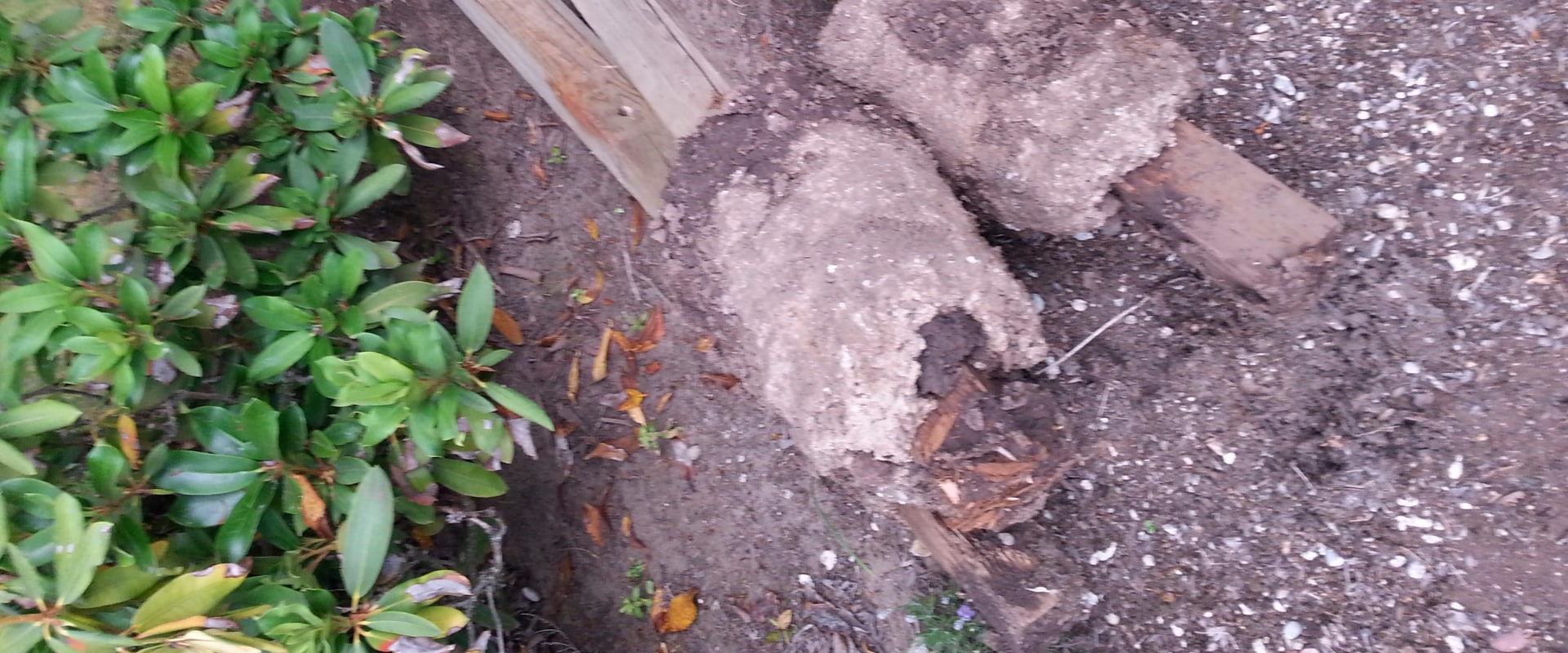
If you find yourself needing to remove or replace a post set in concrete, be prepared for a labor-intensive process.
The concrete creates a strong bond with the post, making it difficult to extract without damaging the surrounding area. This can lead to:
- Time Consumption: Removing a post from concrete often requires chiseling or breaking up the concrete, which can be time-consuming and physically demanding.
- Cost Implications: If you hire professionals to handle the removal, it can significantly increase your overall fencing costs.
- Site Disruption: The process may also disturb your yard or garden, leading to additional cleanup and restoration efforts.
3.Potential for Damage
Setting aluminum posts in concrete can also pose risks of damage to the posts themselves. If moisture seeps into the concrete and freezes, it can expand and crack, potentially compromising the integrity of the post over time. Additionally, while aluminum is resistant to rust, it is not immune to corrosion if not properly treated.
The combination of moisture and concrete can accelerate this process, leading to premature deterioration.
4.Aesthetic Considerations
Finally, consider the aesthetic implications of setting posts in concrete. The visible concrete bases may not blend well with all landscaping styles and could detract from the overall appearance of your fence. If aesthetics are a priority for you, exploring alternative installation methods might be worthwhile.In conclusion, while there are benefits to setting aluminum fence posts in concrete, it is essential to weigh these against the potential drawbacks. By considering factors such as flexibility, removal challenges, potential damage, and aesthetic impact, you can make a more informed decision that suits your long-term fencing goals.
Alternative Methods for Installing Aluminum Fence Posts
When it comes to installing aluminum fence posts, many homeowners are exploring alternatives to traditional concrete methods.While concrete provides a solid foundation, there are several effective techniques that can offer flexibility and ease of installation. Two popular alternatives are using gravel backfill and setting posts directly in soil.
Gravel Backfill Method
One of the most effective alternatives to concrete is the gravel backfill method. This technique involves digging a hole for the post and filling it with gravel instead of concrete. Here are some benefits of this method:- Drainage: Gravel allows for better drainage around the post, reducing the risk of water pooling and causing corrosion over time.
- Flexibility: If you ever need to adjust or remove your fence, gravel is much easier to work with than concrete.
- Cost-effective: Gravel is generally less expensive than concrete, making it a budget-friendly option for many homeowners.
Place the post in the centre and fill the hole with gravel, ensuring that it is compacted around the post for stability.
Soil Setting Method
The soil setting method is another viable option for installing aluminum fence posts. This technique involves placing the posts directly into the ground without any additional materials. Here are some advantages:- Simplicity: This method requires minimal tools and materials, making it straightforward for DIY enthusiasts.
- Natural Aesthetics: Setting posts in soil can create a more natural look, blending seamlessly with your landscape.
- Environmental Impact: By avoiding concrete, you reduce your carbon footprint and promote a more sustainable installation process.
It’s advisable to check local soil conditions, as sandy or loose soils may require additional reinforcement.In conclusion, while setting aluminum fence posts in concrete is a common practice, exploring alternative methods like gravel backfill and soil setting can provide numerous benefits. These techniques not only enhance flexibility and ease of installation but also contribute to better drainage and environmental sustainability.
Best Practices for Installing Aluminum Fence Posts
Installing aluminum fence posts requires careful planning and execution to ensure durability and stability. Here are some best practices to follow during the installation process.Tools Needed:
- Post hole digger or auger
- Level
- Tape measure
- Concrete mix (if setting in concrete)
- Shovel
- Rubber mallet
- Screwdriver or drill
- Safety gear (gloves, goggles)
Step-by-Step Guide:
- Plan Your Layout: Before you start digging, plan the layout of your fence. Use stakes and string to mark the line where the fence will go, ensuring that it is straight and follows any property lines.
- Measure and Mark Post Locations: Determine the spacing for your aluminum posts, typically 6 to 8 feet apart.
Mark each location with a stake or spray paint.
- Dug Holes: Use a post hole digger or auger to create holes at least 600mm deep for stability. The diameter should be about three times the width of the post for proper support.
- Set the Posts: Place the aluminum posts into the holes. Use a level to ensure they are vertical. If using concrete, fill around the post with concrete mix, ensuring it is compacted and level with the ground.
- Allow Concrete to Cure: If you set your posts in concrete, allow it to cure for at least 24-48 hours before attaching any panels or gates.
This ensures that the posts are secure and stable.
- Attach Panels: Once the posts are set, attach your aluminum fence panels according to the manufacturer’s instructions. Ensure all screws and fittings are tight for maximum stability.
- Final Inspection: After installation, conduct a final inspection of your fence. Check for any loose fittings and ensure that all posts are aligned properly.
Common Mistakes to Avoid When Setting Fence Posts
When it comes to installing aluminum fence posts, avoiding common mistakes can make a significant difference in the longevity and stability of your fence. Here are some frequent errors to watch out for, along with tips on how to sidestep them.1.Inadequate Planning
One of the most common mistakes is failing to plan the layout properly.Before you start digging, take the time to measure your yard and mark where each post will go. Use stakes and string to outline the fence line, ensuring that it is straight and follows any property boundaries. This will help you avoid unnecessary adjustments later on.
2.Incorrect Depth for Post Holes
Another frequent error is not digging deep enough for the post holes. For aluminum fence posts, a depth of at least 600mm is recommended to provide adequate support.Shallow holes can lead to instability, especially in areas with high winds or heavy rainfall. Always check local building codes for specific requirements.
3.Skipping the Concrete
While some may think that simply placing the posts in the ground is sufficient, using concrete is essential for stability. Failing to set your aluminum posts in concrete can result in leaning or shifting over time. Make sure to mix the concrete according to the manufacturer's instructions and allow it to cure fully before attaching the fence panels.4.Not Allowing for Drainage
Water accumulation around the base of your posts can lead to corrosion and weaken their integrity.To prevent this, ensure that there is proper drainage in place. You can achieve this by adding gravel at the bottom of each hole before pouring in concrete, allowing water to flow away from the post.
5.Ignoring Alignment
Alignment is crucial when setting fence posts. If your posts are not aligned correctly, it will affect the overall appearance and functionality of your fence. Use a level during installation to ensure each post is vertical and aligned with adjacent posts.6.Rushing the Process
Finally, one of the biggest mistakes is rushing through the installation process.Take your time to ensure each step is done correctly, from measuring and digging to setting and aligning your posts. A well-installed fence will save you time and money in repairs down the line.By being aware of these common pitfalls and taking proactive steps to avoid them, you can ensure a successful installation of your aluminum fence that will stand strong for years to come.
FAQs About Setting Aluminum Fence Posts in Concrete
When considering the installation of an aluminum fence, many homeowners have questions regarding the process and maintenance. Here are some of the most frequently asked questions about setting aluminum fence posts in concrete.1.Should I set aluminum fence posts in concrete?
Yes, setting aluminum fence posts in concrete is highly recommended for stability and durability. Concrete provides a solid foundation that helps prevent movement and shifting, especially in areas with fluctuating soil conditions or heavy winds.2.How deep should I dig the holes for aluminum fence posts?
The depth of the holes will depend on the height of your fence.A general rule of thumb is to bury at least one-third of the post's length in the ground. For example, if you are installing a 6-foot tall fence, you should dig holes that are at least 2 feet deep.
3.What type of concrete should I use?
For setting aluminum fence posts, a quick-setting concrete mix is often ideal. This type of concrete allows for faster installation and ensures that your posts are secure within a few hours. Make sure to follow the manufacturer's instructions for mixing and application.4.How long does it take for the concrete to cure?
Typically, concrete takes about 24 to 48 hours to set enough for you to continue with your installation.However, full curing can take up to 28 days. It’s best to avoid putting any stress on the posts until the concrete has fully cured.
5.Do I need to maintain my aluminum fence?
Aluminum fences are known for their low maintenance requirements. However, regular inspections are advisable to check for any signs of wear or damage. Cleaning the fence with mild soap and water can help maintain its appearance and prevent corrosion.6.Can I install an aluminum fence myself?
While it is possible to install an aluminum fence yourself, it requires careful planning and execution.If you are not comfortable with DIY projects or lack experience in fencing installation, hiring a professional may be a better option to ensure proper installation.By addressing these common questions, you can feel more confident in your decision-making process regarding the installation and maintenance of your aluminum fence.
Conclusion: Making the Right Choice for Your Aluminum Fence Installation
In conclusion, the decision to set your aluminum fence posts in concrete is not one to be taken lightly. Throughout this article, we have explored various factors that influence this choice, emphasizing the importance of understanding your specific needs and the characteristics of the materials involved.One of the primary considerations is the permanence that concrete offers. While it provides a robust foundation for your fence, it also means that once your posts are set, they are not easily moved or replaced. This can be a significant advantage if you are certain about your fence's location and design.However, if you anticipate changes in your landscaping or fencing needs, opting for a more flexible installation method may be wise.Additionally, we discussed the implications of using different materials for your fence posts. Aluminum is a popular choice due to its resistance to rust and corrosion, making it an excellent option for long-term durability. Unlike wooden posts, aluminum does not rot, which eliminates some of the maintenance concerns associated with traditional fencing materials. However, it is still essential to consider how aluminum interacts with concrete.
While it can withstand moisture better than wood, ensuring proper drainage around the base of the posts is crucial to prevent any potential issues.Moreover, we highlighted the importance of using high-quality materials and installation techniques. Whether you choose to set your aluminum fence posts in concrete or opt for another method, investing in quality will pay off in the long run. This includes selecting corrosion-resistant fasteners and ensuring that your posts are adequately anchored to withstand environmental factors such as wind and soil movement.Ultimately, the choice of whether to set your aluminum fence posts in concrete should align with your long-term goals for your property. By weighing the pros and cons discussed in this article and considering your unique circumstances, you can make an informed decision that will enhance both the functionality and aesthetic appeal of your outdoor space.