When it comes to enhancing the security, aesthetics, and value of your property, the choice of fencing material plays a pivotal role. A well-chosen fence not only defines the boundaries of your space but also contributes significantly to your home’s overall appeal. With a myriad of options available, understanding the importance of selecting the right fence is crucial for homeowners looking to make a long-term investment.Fencing serves multiple purposes, from providing privacy and security to acting as a decorative element that complements your landscape. The right fence can deter intruders, keep pets safe, and create a peaceful environment for outdoor activities.
However, with so many materials on the market—ranging from wood and vinyl to chain link and aluminum—it can be overwhelming to determine which option best suits your needs.Among these choices, aluminum fences have gained popularity due to their unique blend of durability and affordability. Unlike traditional wooden fences that may warp or rot over time, aluminum fences are resistant to rust and corrosion, making them an ideal choice for various climates. Additionally, they require minimal maintenance compared to other materials, allowing homeowners to enjoy their benefits without the hassle of frequent repairs or replacements.As we delve deeper into the world of fencing options, it’s essential to consider not only the initial costs but also the long-term benefits each material offers. By understanding the significance of choosing the right fence, you can make an informed decision that enhances your property’s functionality and aesthetic appeal for years to come.
Why Aluminum Fencing Stands Out
When considering fencing options, aluminum fencing emerges as a standout choice due to its remarkable combination of durability, low maintenance, and aesthetic appeal.Unlike traditional wood or vinyl fences, aluminum offers a unique set of benefits that make it an attractive option for homeowners looking to enhance their property.
Durability and Longevity
One of the most significant advantages of aluminum fencing is its exceptional durability. Aluminum is naturally resistant to rust and corrosion, making it an ideal choice for areas with high moisture or extreme weather conditions. Unlike wood, which can warp, rot, or be susceptible to insect damage, aluminum maintains its structural integrity over time. This resilience means that homeowners can expect their aluminum fence to last for decades with minimal wear and tear.
Low Maintenance Requirements
Another compelling reason to choose aluminum fencing is its low maintenance needs.
Unlike wood fences that require regular staining or painting to protect against the elements, aluminum fences typically only need occasional cleaning with soap and water to keep them looking their best. This ease of maintenance not only saves time but also reduces long-term costs associated with upkeep.
Aesthetic Appeal
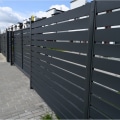
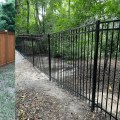
In terms of aesthetics, aluminum fencing offers a sleek and modern look that can complement various architectural styles. Available in a range of colors and finishes, homeowners can easily find an aluminum fence that matches their property’s design. Additionally, the elegant lines and open designs of aluminum fencing can enhance visibility while still providing security.
Aluminum vs Other Materials
- Wood: While wood fences provide a classic look, they require significant maintenance and are prone to decay over time.
- Vinyl: Although vinyl is also low maintenance, it can become brittle in extreme temperatures and may not offer the same level of strength as aluminum.
- Chain Link: Chain link fences are affordable but lack the aesthetic appeal and privacy that aluminum can provide.
Its combination of long-lasting durability, minimal maintenance requirements, and attractive appearance makes it an excellent investment for any homeowner looking to enhance their property while ensuring security and style.
Cost Analysis: Is Aluminum Fencing Affordable?
When considering fencing options, one of the most critical factors is cost.Aluminum fencing
has gained popularity not only for its aesthetic appeal but also for its affordability in the long run. To understand whether aluminum fencing is a budget-friendly option, we need to break down the initial costs, installation expenses, and potential savings over time.Initial Costs of Aluminum Fencing
- The average price of aluminum fencing ranges from NZD 80 to NZD 120 per linear metre, depending on the style and height.
- Compared to other materials like wrought iron or wood, which can cost significantly more (NZD 150 to NZD 300 per linear metre), aluminum presents a more economical choice.
- While the upfront cost may be higher than chain link or vinyl options, the durability and low maintenance of aluminum can offset these initial expenses.
Installation Costs
- Installation costs for aluminum fencing typically range from NZD 50 to NZD 100 per linear metre. This can vary based on factors such as terrain, accessibility, and local labour rates.
- Hiring a professional installer is recommended to ensure proper alignment and stability, which can prevent future repair costs.
- Some homeowners may opt for DIY installation to save on labour costs; however, this requires a good understanding of the installation process and tools.
Long-Term Savings
- One of the most significant advantages of aluminum fencing is its longevity.
Unlike wood, which may require regular staining or painting, aluminum is resistant to rust and corrosion, leading to minimal upkeep.
- This low maintenance translates into savings over time. Homeowners can expect to spend less on repairs and replacements compared to other materials that deteriorate more quickly.
- Additionally, aluminum fences often come with warranties ranging from 20 to 30 years, providing peace of mind regarding their durability.
Installation Process for Aluminum Fencing
Installing an aluminum fence can be a rewarding project, whether you choose to tackle it yourself or hire a professional. This section will guide you through the installation process, providing valuable tips for DIY enthusiasts and insights on when to seek expert help.Preparation is Key
- Before starting, check local regulations and obtain any necessary permits.
Some areas have specific zoning laws regarding fence height and placement.
- Measure your property line accurately to determine the amount of fencing material needed. It’s advisable to mark the layout with stakes and string to visualize the fence line.
- Gather all necessary tools, including a post hole digger, level, tape measure, and a power drill. Having everything on hand will streamline the installation process.
Installation Steps
- Digging Post Holes: Start by digging holes for the fence posts. The depth should be at least one-third of the post height to ensure stability.
A depth of 600mm is generally recommended for aluminum fences.
- Setting the Posts: Place the posts in the holes and use a level to ensure they are vertical. Fill the holes with concrete mix for added strength, allowing it to cure as per manufacturer instructions.
- Attaching Panels: Once the posts are set, attach the aluminum panels between them. Most panels come with pre-drilled holes for easy installation. Ensure each panel is level before securing it in place.
- Finishing Touches: After all panels are installed, check for any adjustments needed.
Trim excess concrete around the base of the posts and clean up the area.
DIY vs. Professional Installation
If you have experience with home improvement projects, installing an aluminum fence can be a manageable DIY task. However, if you’re unsure about your skills or if your property has challenging terrain, hiring a professional may be wise. Professionals can ensure that your fence is installed correctly and efficiently, saving you time and potential headaches.In conclusion, whether you opt for a DIY approach or enlist professional help, understanding the installation process of an aluminum fence will help you achieve a durable and aesthetically pleasing result that enhances your property’s value and security.
Maintenance Tips for Longevity of Aluminum Fences
Aluminum fences are renowned for their durability and low maintenance requirements, making them a popular choice for homeowners.However, to ensure that your aluminum fence remains in optimal condition and retains its aesthetic appeal over the years, some basic maintenance practices are essential.
Regular Cleaning
One of the simplest yet most effective ways to maintain your aluminum fence is through regular cleaning. Dust, dirt, and debris can accumulate on the surface, leading to potential corrosion over time. To clean your fence:- Use a soft cloth or sponge along with a mild detergent mixed with water.
- Gently scrub the surface to remove any grime or stains.
- Rinse thoroughly with clean water to ensure no soap residue remains.
Inspect for Damage
Regular inspections are crucial for identifying any potential issues before they escalate. Check your fence for:- Dents or scratches that may have occurred due to impacts or weather conditions.
- Signs of rust or corrosion, especially at joints and welds.
- Loose panels or posts that may need tightening or reinstallation.
Protective Coatings
While aluminum is naturally resistant to rust, applying a protective coating can enhance its longevity.Consider:
- Using a clear sealant designed for aluminum surfaces every few years to provide an extra layer of protection against the elements.
- Avoiding harsh chemicals that can strip away protective finishes.
Avoiding Physical Damage
To maintain the integrity of your aluminum fence, be mindful of activities around it. Ensure:- Avoiding heavy machinery or vehicles near the fence line that could cause physical damage.
- Keeping landscaping tools away from the fence to prevent scratches and dents.
Common Myths About Aluminum Fencing Debunked
When considering fencing options, aluminum fencing often comes with a set of misconceptions that can cloud judgment. Understanding these myths is crucial for making an informed decision.Here, we debunk some of the most common myths surrounding aluminum fencing.
Myth 1: Aluminum Fencing is Weak and Easily Damaged
One prevalent myth is that aluminum fences are weak and prone to damage. In reality, aluminum is a highly durable material that can withstand harsh weather conditions, including strong winds and heavy rain. Unlike wood, which can rot or warp, aluminum does not succumb to the elements in the same way. Its strength is further enhanced by the manufacturing process, which often includes a powder coating that protects against scratches and corrosion.Myth 2: Aluminum Fencing is Expensive
Another misconception is that aluminum fencing is prohibitively expensive.While the initial investment may be higher than some other materials like chain link or wood, it’s essential to consider the long-term benefits. Aluminum fences require minimal maintenance and have a longer lifespan compared to wood or vinyl options. Over time, the cost-effectiveness of aluminum becomes apparent as homeowners save on repairs and replacements.
Myth 3: Aluminum Fencing Offers No Privacy
Many people believe that aluminum fencing does not provide privacy due to its design. However, this depends on the style chosen.While traditional aluminum fences may have spaced pickets, there are also solid panel options available that offer enhanced privacy without sacrificing aesthetics. Additionally, homeowners can enhance privacy by incorporating landscaping elements such as shrubs or climbing plants alongside their fence.
Myth 4: Aluminum Fencing Requires Constant Maintenance
Some potential buyers worry about the maintenance requirements of aluminum fencing. Contrary to this belief, aluminum fences are among the easiest types to maintain. A simple wash with soap and water is usually sufficient to keep them looking new.Unlike wood, which may need regular staining or sealing, aluminum’s powder-coated finish resists fading and chipping, making it a low-maintenance option.
Myth 5: All Aluminum Fences Look the Same
Lastly, there’s a notion that all aluminum fences are identical in appearance. This couldn’t be further from the truth. The market offers a wide variety of styles, colors, and finishes for aluminum fencing. Homeowners can choose from ornamental designs to sleek modern looks, ensuring they find an option that complements their property’s aesthetic.By debunking these myths about aluminum fencing, potential buyers can make more informed choices that align with their needs and preferences.Understanding the facts helps in appreciating the value and versatility of aluminum as a fencing material.
Real-Life Applications: Where Aluminum Fencing Shines
Aluminum fencing has become a popular choice for both residential and commercial properties due to its unique combination of durability, aesthetic appeal, and low maintenance requirements. Understanding the various applications of aluminum fencing can help homeowners and business owners make informed decisions that enhance their properties.Residential Applications
In residential settings, aluminum fences are often used for:- Pool Enclosures: One of the most common uses for aluminum fencing is around swimming pools. Its rust-resistant properties make it ideal for wet environments, ensuring safety while maintaining an attractive appearance.
- Garden Boundaries: Homeowners frequently use aluminum fences to define garden spaces. The elegant design can complement landscaping while keeping pets and children safe.
- Property Perimeters: Aluminum fencing serves as an effective boundary marker for residential properties.
It provides security without obstructing views, making it a preferred choice for those who value aesthetics.
Commercial Applications
For commercial properties, aluminum fencing offers several advantages:- Security Fencing: Businesses often require secure perimeters to protect assets. Aluminum fences can be designed with added features such as spikes or taller heights to deter unauthorized access.
- Decorative Fencing: Many commercial establishments, such as hotels and restaurants, utilize aluminum fencing to enhance their curb appeal. The variety of styles available allows businesses to choose designs that align with their branding.
- Parking Lot Enclosures: Aluminum fences are also used to delineate parking areas, ensuring that vehicles are parked in designated spots while maintaining a professional look.
Whether you are looking to enhance your home’s security or improve the aesthetic of a commercial property, aluminum fencing stands out as a reliable option that meets both durability and affordability criteria.
Frequently Asked Questions About Aluminum Fencing
When considering an aluminum fence for your property, you may have several questions regarding its durability, cost, and overall suitability. Below are some of the most frequently asked questions about aluminum fencing that can help clarify your concerns.What makes aluminum fencing a durable option?
Aluminum fencing is renowned for its durability. Unlike wood, which can rot or warp over time, aluminum is resistant to rust and corrosion. This makes it an ideal choice for areas with harsh weather conditions.Additionally, many aluminum fences are coated with a protective finish that enhances their longevity and helps maintain their appearance.
How does the cost of aluminum fencing compare to other materials?
The initial investment in aluminum fencing can be higher than that of wood or chain link options. However, when considering long-term costs, aluminum often proves to be more economical. Its low maintenance requirements and resistance to damage mean you won’t have to spend as much on repairs or replacements over time. In fact, many homeowners find that the durability of aluminum offsets its upfront cost.Is aluminum fencing suitable for all types of properties?
Yes, aluminum fencing is versatile and can be used in various settings, including residential homes, commercial properties, and even pool enclosures.Its sleek design complements different architectural styles while providing security and visibility. However, it’s essential to consider your specific needs—such as privacy and security—when selecting the right style and height of the fence.
What maintenance is required for aluminum fences?
One of the significant advantages of aluminum fencing is its low maintenance nature. Regular cleaning with soap and water is usually sufficient to keep it looking new. Unlike wood fences that may require staining or sealing, aluminum fences do not need such treatments.However, it’s advisable to inspect the fence periodically for any signs of wear or damage.
Can I install an aluminum fence myself?
While it is possible to install an aluminum fence as a DIY project, it requires careful planning and some basic tools. If you are comfortable with measuring and digging post holes, you may find it manageable. However, hiring a professional can ensure that the installation is done correctly and efficiently, especially if you have a large area to cover or complex terrain.In summary, understanding these common inquiries about aluminum fencing can help you make an informed decision. Its combination of durability, low maintenance, and aesthetic appeal makes it a popular choice among homeowners looking for a reliable fencing solution.Conclusion: Making the Right Choice for Your Property
In conclusion, selecting the right fencing option for your property is a crucial decision that impacts both aesthetics and functionality.Throughout this article, we have explored various materials, highlighting their durability and affordability. Among these options, aluminum fencing stands out as a superior choice for homeowners seeking a balance between long-lasting performance and cost-effectiveness.One of the primary advantages of aluminum fencing is its remarkable resistance to rust and corrosion. Unlike traditional wood or iron fences, aluminum does not succumb to the elements, ensuring that your investment remains intact for years to come. This durability translates into lower maintenance costs over time, making it a financially savvy option.Moreover, aluminum fencing offers a sleek and modern appearance that can enhance the overall curb appeal of your property.
Available in various styles and finishes, it can complement any architectural design while providing the security you need. Homeowners can choose from decorative options that add elegance without compromising on strength.Another significant benefit of aluminum fencing is its lightweight nature, which simplifies installation. This ease of setup can lead to reduced labor costs, further enhancing its affordability. Additionally, many manufacturers offer warranties on their products, providing peace of mind regarding your investment.When considering your fencing options, it’s essential to evaluate not only the initial costs but also the long-term benefits.
Aluminum fencing emerges as a frontrunner due to its combination of durability, low maintenance requirements, and aesthetic versatility. By choosing aluminum, you are making a wise investment that will serve your property well for many years.Ultimately, the right fence should align with your specific needs and preferences. Whether you prioritize security, privacy, or visual appeal, aluminum fencing provides a reliable solution that meets all these criteria while remaining budget-friendly. As you move forward in your decision-making process, keep in mind the numerous advantages that aluminum fencing offers—it truly represents one of the best choices for durability and affordability in today’s market.