When considering options for fencing, aluminum fencing stands out as a premier choice for homeowners and property developers alike. Known for its combination of durability, aesthetic appeal, and low maintenance requirements, aluminum fencing offers a versatile solution that can enhance the beauty of any property while providing security and boundary definition. Unlike traditional materials such as wood or wrought iron, aluminum does not warp, rust, or require regular painting, making it an ideal option for those seeking a long-lasting fence.The benefits of aluminum fencing extend beyond its physical properties. One of the most significant advantages is its lightweight nature, which simplifies the installation process.
This can be particularly beneficial for DIY enthusiasts who wish to undertake their own fencing projects. Additionally, aluminum fences are available in a variety of styles and finishes, allowing homeowners to select a design that complements their landscape and architectural style. Whether you prefer a classic look or a modern aesthetic, there is an aluminum fence to suit your taste.Moreover, choosing aluminum fencing can be an environmentally friendly decision. Many manufacturers produce aluminum from recycled materials, and the longevity of aluminum means that fewer resources are consumed over time compared to other materials that may need frequent replacement.
This sustainability aspect is increasingly important to many homeowners who are conscious of their environmental impact.As we delve deeper into the process of setting fence posts, it is essential to understand that proper installation is crucial for maximizing the benefits of your aluminum fence. A well-installed fence not only enhances the overall appearance of your property but also ensures its structural integrity over time. In the following sections, we will explore the best practices for setting fence posts specifically tailored for aluminum fencing, ensuring that your investment stands the test of time.
Understanding Aluminum Fencing
When considering a fence for your property, aluminum fencing stands out as a popular choice in New Zealand due to its durability, low maintenance, and aesthetic appeal. Understanding the various types and styles of aluminum fences can help you make an informed decision that complements your home and meets your needs.Types of Aluminum Fences
Aluminum fences come in several types, each designed for specific purposes:- Pool Fencing: This type is specifically designed to meet safety regulations around swimming pools.
It often features self-closing gates and is available in various heights to ensure compliance with local laws.
- Residential Fencing: Ideal for enclosing yards, gardens, or pets, residential aluminum fences are typically lower in height and can be customized with decorative elements.
- Commercial Fencing: Designed for businesses or public spaces, commercial aluminum fences are more robust and often feature taller designs for added security.
Aluminum Fence Styles
The style of your aluminum fence can significantly impact the overall look of your property. Here are some popular styles:- Picket Style: This classic design features evenly spaced vertical slats and is perfect for creating a charming boundary around gardens or front yards.
- Flat Top Style: With a clean, modern look, flat top fences provide a sleek appearance that suits contemporary homes.
- Spear Top Style: This style incorporates pointed tops on the vertical slats, adding an element of elegance while also serving as a deterrent against intruders.
Materials Used in Aluminum Fencing
The materials used in manufacturing aluminum fences play a crucial role in their performance and longevity. Most aluminum fences are made from high-quality, rust-resistant alloys that ensure durability even in harsh weather conditions. Additionally, many manufacturers offer powder-coated finishes that enhance the fence's resistance to fading and scratching while providing a variety of color options to match your home’s exterior.In summary, understanding the different types and styles of aluminum fencing available in New Zealand allows homeowners to choose a solution that not only meets their functional needs but also enhances the aesthetic appeal of their property.With its combination of strength, style, and low maintenance requirements, aluminum fencing is an excellent investment for any homeowner.
Planning Your Fence Installation
Before diving into the physical work of installing your aluminum fence, it’s essential to engage in thorough planning. This phase is critical as it sets the foundation for a successful installation, ensuring that your fence not only looks great but also complies with local regulations and serves its intended purpose.Measuring Your Area
The first step in planning your fence installation is to accurately measure the area where you intend to place the fence. Here are some tips to help you:
- Use a Measuring Tape: Start by using a measuring tape to determine the length of the perimeter where the fence will be installed. Make sure to measure in straight lines and account for any curves or angles in your property line.
- Mark Your Measurements: Use stakes or flags to mark the corners and key points along the fence line.
This visual representation will help you see how the fence will fit into your landscape.
- Consider Gates: If you plan to include gates, measure their width and ensure they are positioned at convenient access points.
Understanding Local Regulations
Before proceeding with your installation, it’s crucial to familiarize yourself with local regulations regarding fencing. These can vary significantly depending on your location and may include:
- Height Restrictions: Many areas have specific height limits for fences, especially in residential zones. Check with your local council or authority to ensure compliance.
- Setback Requirements: Some regions require fences to be set back a certain distance from property lines. Understanding these requirements can prevent potential disputes with neighbours.
- Permits: In some cases, you may need a permit before installing a fence.
Contact your local building department to find out if this applies to your project.
Determining the Number of Posts Needed
The next step is calculating how many posts you will need for your aluminum fence. A general rule of thumb is to place posts every 6 to 8 feet, but this can vary based on the design of your fence and any additional features like gates or panels. To determine the number of posts:
- Calculate Total Length: Take the total length of your fence line and divide it by the spacing between posts (e.g., 6 feet).
- Add Extra Posts: Always add extra posts for corners, gates, and any changes in direction.
Tools and Materials Needed for Setting Aluminum Fence Posts
Setting up an aluminum fence requires careful planning and the right selection of tools and materials to ensure a successful installation. Below is a comprehensive list of essential tools and materials you will need to effectively set aluminum fence posts.Essential Tools for Fence Installation
- Post Hole Digger: This tool is crucial for digging holes deep enough to securely hold your aluminum fence posts.
A manual or powered post hole digger can save time and effort.
- Level: A spirit level is necessary to ensure that each post is perfectly vertical. This step is vital for maintaining the overall alignment and aesthetics of your fence.
- Tape Measure: Accurate measurements are key when spacing your posts. A tape measure will help you determine the correct distance between each post according to your fence design.
- Shovel: A shovel may be needed for additional digging or moving soil around the installation site.
- Hammer or Mallet: Use a hammer or rubber mallet to drive stakes into the ground or to adjust the position of your posts as needed.
- Screwdriver or Drill: Depending on your fence design, you may need a screwdriver or drill to secure brackets and panels to the posts.
Materials for Aluminum Fence Posts
- Aluminum Fence Posts: Choose high-quality aluminum posts that are resistant to rust and corrosion. Look for options with a powder-coated finish for added durability.
- Concrete Mix: For securing your posts, a quick-setting concrete mix is recommended.
This will provide a strong foundation that keeps your posts stable over time.
- Gravel (optional): Adding gravel at the bottom of the post hole can improve drainage and prevent water from pooling around the base of the post, which can lead to deterioration.
- Brackets and Fasteners: Ensure you have the appropriate brackets and fasteners designed specifically for aluminum fencing. These components are essential for attaching panels securely to the posts.
Step-by-Step Guide to Setting Aluminum Fence Posts
Setting aluminum fence posts requires careful planning and execution to ensure a durable and aesthetically pleasing result. Follow this step-by-step guide to achieve the best outcome for your fencing project.- Gather Your Tools and Materials: Before you begin, make sure you have all necessary tools at hand.
You will need a post hole digger or auger, a level, a measuring tape, concrete mix or gravel, a shovel, and safety gear such as gloves and goggles.
- Mark the Fence Line: Use stakes and string to outline where your fence will go. This will help you visualize the layout and ensure that your posts are evenly spaced. A common distance between posts is 1.8 to 2.4 meters, depending on the design of your fence.
- Dig the Post Holes: Each hole should be approximately one-third the length of the post deep. For standard aluminum fence posts, this typically means digging holes that are about 600 mm deep.
Ensure that the holes are wide enough to accommodate the post and any stabilizing material you plan to use.
- Position the Posts: Place the aluminum post into the hole, ensuring it is vertical using a level. Adjust as necessary until it is perfectly straight. It’s crucial that each post is aligned correctly to maintain the overall integrity of the fence.
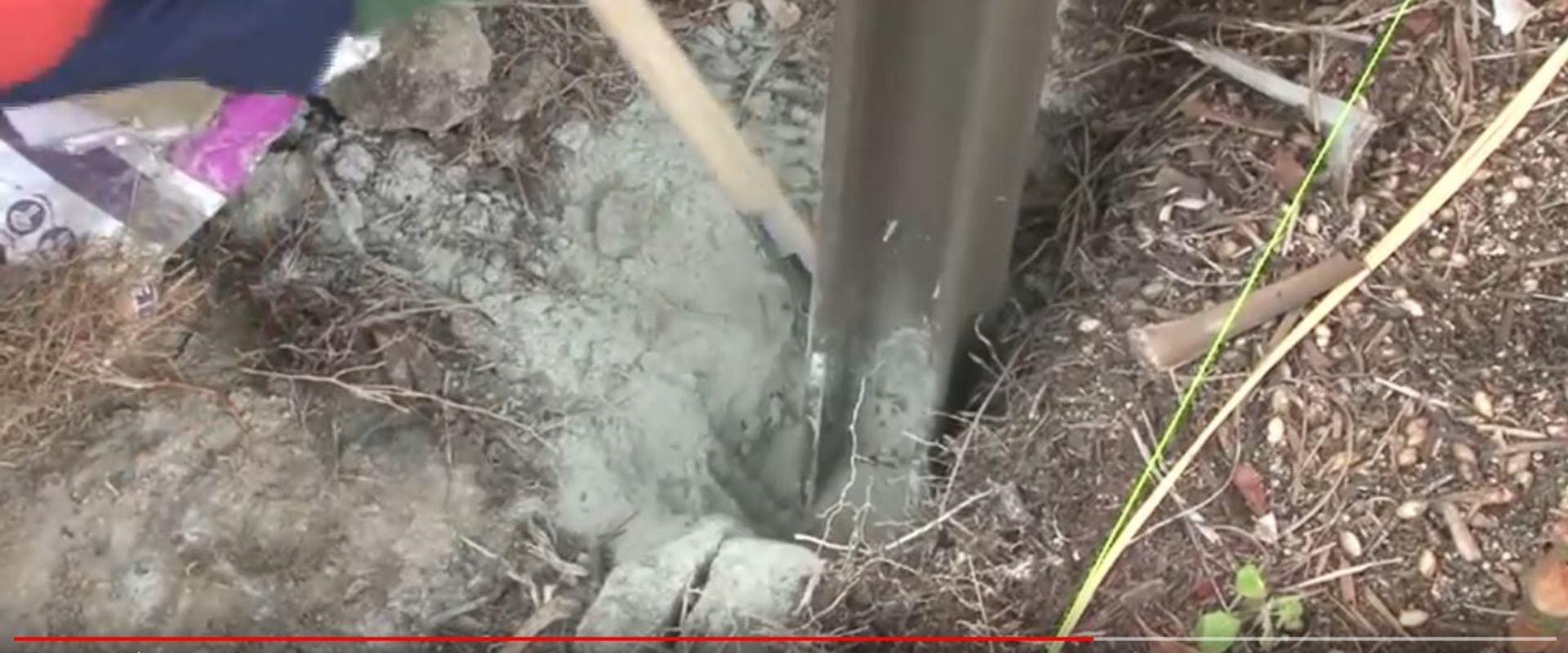
- Secure the Posts: Depending on your preference, you can use either concrete or gravel to secure the posts in place. If using concrete, mix it according to package instructions and pour it into the hole around the post.
For gravel, fill the hole with gravel up to about 150 mm from the top of the hole, then compact it firmly.
- Check Alignment: After securing each post, double-check its alignment with a level before allowing any concrete to set or before moving on to the next post. This step is vital for ensuring that your fence will be straight and visually appealing.
- Allow for Curing Time: If you used concrete, allow it to cure for at least 24-48 hours before attaching any panels or applying pressure to the posts. This ensures that they are firmly set in place.
Common Mistakes to Avoid When Setting Fence Posts
Setting fence posts may seem straightforward, but there are several common mistakes that can lead to structural issues and costly repairs down the line. By being aware of these pitfalls, you can ensure a more successful installation process.- Inadequate Depth of Holes: One of the most frequent errors is not digging the post holes deep enough.
A general rule is to bury at least one-third of the post's length in the ground. For taller fences, this depth is crucial for stability. Always check local building codes for specific requirements.
- Neglecting to Use a Level: Failing to ensure that your posts are perfectly vertical can lead to a crooked fence. Use a level during installation to confirm that each post is straight on all sides.
This small step can save you from having to redo sections of your fence later.
- Improper Backfilling: After placing your posts, many people make the mistake of backfilling with soil without proper compaction. This can lead to settling over time. Instead, consider using gravel or concrete for better support and drainage.
- Ignoring Soil Conditions: Different soil types require different approaches. For instance, sandy soils may need deeper holes or additional support, while clay soils can retain water and cause posts to rot if not properly treated.
Always assess your soil conditions before installation.
- Overlooking Drainage: Water pooling around fence posts can lead to rot and instability. Ensure that your posts are set with a slight slope away from the base to facilitate drainage. This will help prolong the life of your fence.
- Using Inappropriate Materials: Not all materials are suitable for every environment. For example, using untreated wood in damp areas can lead to rapid decay.
Opt for materials like aluminum or pressure-treated wood that are designed to withstand local weather conditions.
- Skipping Temporary Supports: When setting multiple posts, it’s easy to forget about temporary supports. Using braces or stakes can help keep posts in place while the concrete sets, ensuring they remain straight and secure.
Maintaining Your Aluminum Fence After Installation
Once your aluminum fence is installed, maintaining it properly is essential to ensure its longevity and aesthetic appeal. Unlike wooden fences that may require frequent painting or staining, aluminum fences are known for their durability and low maintenance.However, regular upkeep is still necessary to keep them looking their best.
Regular Cleaning
One of the simplest yet most effective ways to maintain your aluminum fence is through regular cleaning. Dirt, grime, and environmental pollutants can accumulate over time, dulling the finish of your fence. To clean your fence:- Use a mild detergent: Mix warm water with a gentle soap or detergent. Avoid harsh chemicals that could damage the finish.
- Soft cloth or sponge: Use a soft cloth or sponge to gently scrub the surface of the fence.
This will help remove any dirt without scratching the aluminum.
- Rinse thoroughly: After scrubbing, rinse the fence with clean water to remove any soap residue.
Inspect for Damage
Regular inspections are crucial for identifying any potential issues before they become significant problems. Look for:- Scratches or dents: While aluminum is resistant to rust, it can still be scratched or dented. Address these issues promptly to prevent further damage.
- Loose fittings: Check the brackets and screws that hold your fence in place. Tighten any loose fittings to maintain structural integrity.
Protecting Against Corrosion
Although aluminum is naturally resistant to corrosion, it’s wise to take additional steps to protect it:- Avoid contact with dissimilar metals: Ensure that your aluminum fence does not come into contact with other metals that could cause galvanic corrosion.
- Apply a protective coating: Consider applying a clear sealant designed for aluminum surfaces every few years to enhance protection against the elements.
Seasonal Maintenance Tips
Different seasons can bring unique challenges for your aluminum fence.Here are some seasonal tips:
- Spring: After winter, inspect for any damage caused by snow or ice and clean off any debris that may have accumulated.
- Summer: Regularly check for signs of wear due to sun exposure and ensure that plants or vines are not growing into the fence.
- Autumn: Remove fallen leaves and branches that can trap moisture against the fence, leading to potential corrosion.
- winter: If you live in an area with heavy snowfall, ensure that snow does not pile up against the fence, as this can cause stress on the structure.
Frequently Asked Questions About Aluminum Fencing
When considering an aluminum fence, many homeowners have questions regarding its installation, maintenance, and overall performance. Below are some of the most frequently asked questions about aluminum fencing that can help you make informed decisions.What are the benefits of aluminum fencing?
Aluminum fencing offers numerous advantages, including:- Durability: Aluminum is resistant to rust and corrosion, making it ideal for various weather conditions.
- Low Maintenance: Unlike wood or iron, aluminum requires minimal upkeep, typically needing only occasional cleaning.
- Aesthetic Appeal: Available in various styles and colors, aluminum fences can enhance the visual appeal of your property.
- Security: With its sturdy construction, aluminum fencing provides a reliable barrier for pets and children.
How deep should I set my aluminum fence posts?
The depth for setting aluminum fence posts generally depends on the height of the fence. A common guideline is to bury at least one-third of the post's length in the ground.For example, if your fence is 6 feet tall, aim for a post depth of at least 2 feet. Always check local building codes for specific requirements.
Can I install an aluminum fence myself?
Yes, many homeowners choose to install aluminum fencing as a DIY project. However, it requires careful planning and execution. Ensure you have the right tools and follow manufacturer instructions closely.If you're unsure about any step, consider consulting a professional to avoid costly mistakes.
What should I do if my aluminum fence gets damaged?
If your aluminum fence sustains damage, such as dents or scratches, you can often repair it without replacing the entire section. For minor scratches, touch-up paint can be applied. For more significant damage, you may need to replace individual panels or posts. Always consult with a fencing expert if you're uncertain about the best course of action.How do I maintain my aluminum fence?
Maintaining an aluminum fence is straightforward:- Regular Cleaning: Use soap and water to clean your fence periodically to remove dirt and debris.
- Inspect for Damage: Regularly check for any signs of wear or damage and address them promptly.
- Avoid Harsh Chemicals: Steer clear of abrasive cleaners that could damage the finish of your fence.
Conclusion: Key Takeaways for Successful Fence Installation
Successfully installing an aluminum fence requires careful planning and execution.As we have discussed throughout this guide, there are several critical factors to consider that can significantly impact the durability and appearance of your fence.
Planning is Essential
Before you even begin digging, take the time to plan your project thoroughly. This includes:- Understanding Local Regulations: Check with local authorities regarding any permits or regulations that may apply to fence installations in your area.
- Choosing the Right Materials: Select high-quality aluminum that suits your aesthetic preferences and meets your durability needs.
- Measuring Accurately: Ensure you measure your property lines accurately to avoid disputes with neighbours.
Proper Installation Techniques
The installation process itself is just as important as the planning stage. Here are some key takeaways:- Digging Holes: Ensure that the holes for your posts are deep enough to provide stability, typically one-third of the post length should be buried.
- Using Concrete: For maximum stability, consider using concrete to secure your posts. This will help prevent movement over time, especially in areas with shifting soil.
- Checking for Level: Always use a level to ensure that each post is perfectly vertical before securing it in place.
Maintenance Considerations
Once your aluminum fence is installed, regular maintenance will help prolong its life.This includes:
- Cleaning: Regularly clean the fence to remove dirt and debris, which can cause corrosion over time.
- Inspecting for Damage: Periodically check for any signs of wear or damage, especially after severe weather events.