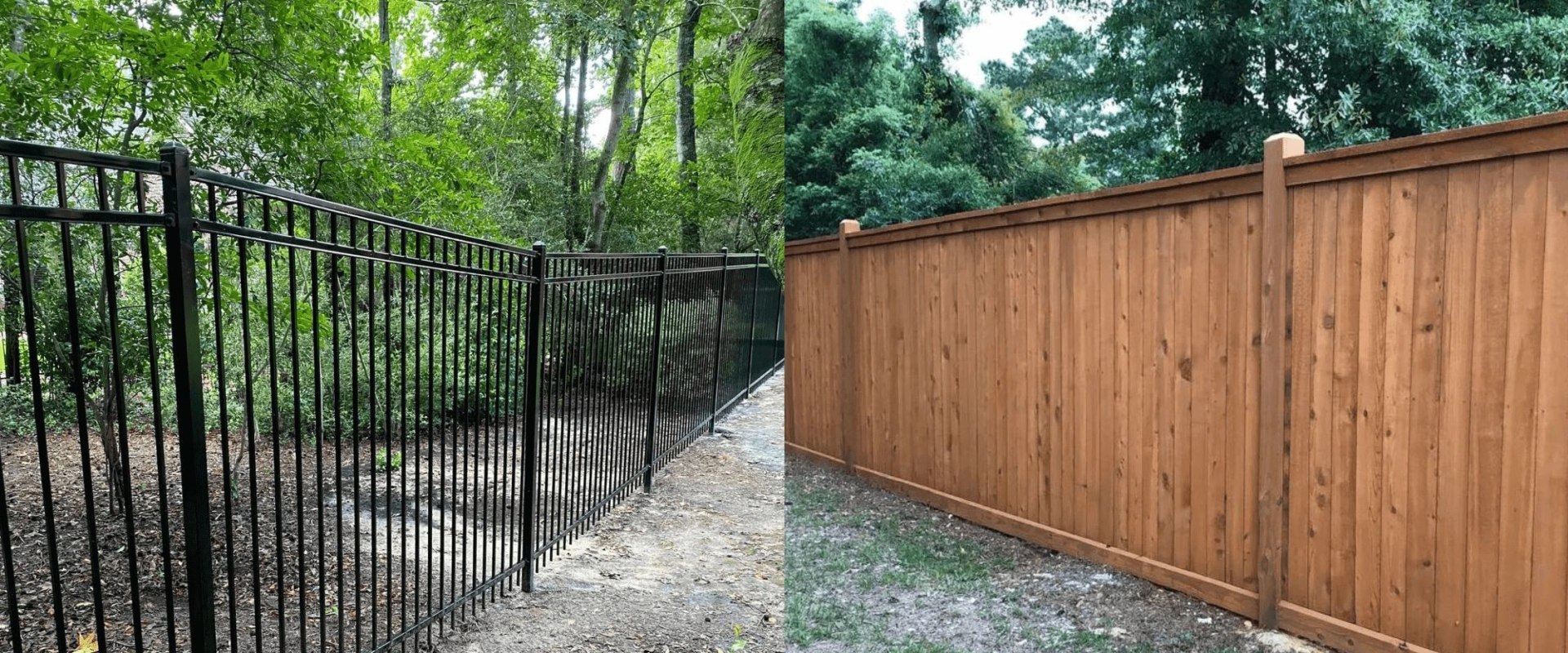
When it comes to enhancing the aesthetics and security of your property, selecting the right fencing material is crucial. Homeowners often find themselves at a crossroads, weighing the benefits and drawbacks of various options. Among the most popular choices are aluminum fences and wooden fences, each offering unique characteristics that cater to different needs and preferences. Understanding these differences is essential for making an informed decision that aligns with your lifestyle and budget.Aluminum fences have gained significant traction in recent years due to their durability, low maintenance requirements, and modern appeal.
They are particularly well-suited for those seeking a long-lasting solution that can withstand the elements without compromising on style. On the other hand, wooden fences evoke a classic charm that many homeowners find appealing. They provide a natural look that can seamlessly blend with various landscapes, but they come with their own set of challenges, including susceptibility to weather damage and the need for regular upkeep.This comprehensive comparison aims to delve deeper into the advantages and disadvantages of both aluminum and wooden fences. By examining factors such as cost, maintenance, aesthetics, and environmental impact, we will help you navigate through the myriad of fencing options available today.
Whether you prioritize longevity or traditional beauty, understanding these materials will empower you to choose the best fence for your home.As we explore this topic further, we will highlight key considerations that every homeowner should keep in mind when selecting a fence. From installation ease to sustainability aspects, our goal is to equip you with the knowledge necessary to make a confident choice that enhances your property while meeting your specific needs.
Understanding Aluminum Fences
When considering fencing options, aluminum fences stand out for their unique combination of durability, low maintenance, and aesthetic appeal. Understanding the benefits and features of aluminum fencing can help homeowners make informed decisions that align with their needs and preferences.Durability
is one of the most significant advantages of aluminum fences. Unlike wood, which can warp, rot, or succumb to pests like termites, aluminum is resistant to these issues.
This resilience means that aluminum fences can withstand harsh weather conditions, including heavy rain, strong winds, and extreme temperatures. As a result, they maintain their structural integrity and appearance over time, making them a long-lasting investment for any property.Another compelling feature of aluminum fencing is its low maintenance requirements. Homeowners often find themselves spending considerable time and money on the upkeep of wooden fences, which may need regular staining, sealing, or painting to prevent deterioration. In contrast, aluminum fences require minimal care—typically just an occasional wash with soap and water to remove dirt and debris.
This ease of maintenance allows homeowners to enjoy their outdoor spaces without the constant worry of repairs or upkeep.In addition to durability and low maintenance, aluminum fences offer a wide range of aesthetic options. Available in various styles, colors, and finishes, these fences can complement any architectural design or landscape. Whether you prefer a classic wrought-iron look or a modern minimalist style, there is an aluminum fence design that can enhance your property’s curb appeal. Furthermore, many manufacturers provide customizable options, allowing homeowners to tailor their fencing solutions to meet specific preferences.Moreover, aluminum fencing is also environmentally friendly.
Aluminum is a recyclable material, meaning that it can be repurposed at the end of its life cycle without contributing to landfill waste. This sustainability aspect appeals to environmentally conscious homeowners who wish to make responsible choices for their properties.In summary, the benefits of aluminum fences—such as their durability, low maintenance needs, aesthetic versatility, and eco-friendliness—make them an increasingly popular choice among homeowners. By choosing aluminum fencing, you not only invest in a practical solution but also enhance the beauty and value of your property.
Exploring Wooden Fences
When considering fencing options, wooden fences stand out for their unique charm and versatility. They offer a range of benefits that appeal to homeowners looking for both aesthetics and functionality.Natural Beauty
One of the most significant advantages of wooden fencing is its natural beauty.
The warm tones and textures of wood can enhance the overall appearance of any property, creating a welcoming atmosphere. Whether you prefer the rustic appeal of cedar or the classic look of pine, wooden fences can be tailored to suit various architectural styles.
Privacy and Security
Wooden fences are also known for their ability to provide privacy. With solid panels, they can effectively block the view from outside, making them an excellent choice for homeowners who value seclusion in their outdoor spaces. Additionally, the height of wooden fences can be customized to meet specific security needs, ensuring that your property remains safe from intruders.
Customisation Options
Another appealing feature of wooden fencing is its customisation potential.
Homeowners can choose from various styles, including picket, stockade, and lattice designs. This flexibility allows you to create a fence that not only meets your functional requirements but also complements your landscape. Furthermore, wood can be easily painted or stained to match your home’s exterior or personal taste.
Environmental Considerations
For those concerned about sustainability, wooden fences can be an eco-friendly option when sourced from responsibly managed forests. Many manufacturers offer products made from reclaimed wood or certified sustainable timber, reducing the environmental impact associated with new lumber production.
Cost-Effectiveness
While the initial cost of a wooden fence may vary depending on the type of wood and design chosen, it often remains a cost-effective solution compared to other materials.
With proper maintenance, such as regular staining and sealing, a wooden fence can last for many years, providing good value over time.
Maintenance Requirements
However, it is essential to consider that wooden fences do require regular maintenance to keep them looking their best. This includes periodic inspections for signs of rot or insect damage and applying protective coatings to prevent weathering. While this maintenance may seem daunting, many homeowners find it manageable and worth the effort for the aesthetic benefits.In conclusion, wooden fences offer a blend of beauty, privacy, and customisation that appeals to many homeowners. By understanding their features and benefits, you can make an informed decision about whether a wooden fence is the right choice for your property.
Cost Comparison: Aluminum vs.
Wooden FencesWhen considering a new fence, understanding the cost comparison between aluminum and wooden fences is crucial for homeowners. Both materials have their unique pricing structures, which can significantly impact your overall budget.
Initial Costs
The initial cost of materials is often the first factor that homeowners evaluate. On average, the cost of an aluminum fence can range from NZD 80 to NZD 120 per linear metre, depending on the style and quality. In contrast, wooden fences typically range from NZD 60 to NZD 100 per linear metre.
However, it’s essential to note that while wooden fences may appear cheaper at first glance, the long-term financial implications can be quite different.
Long-Term Expenses
Wooden fences require regular maintenance to preserve their appearance and structural integrity. This includes staining or painting every few years, as well as repairs for any weather-related damage or pest infestations. Over time, these maintenance costs can accumulate significantly, often amounting to hundreds of dollars annually.In contrast, aluminum fences are known for their durability and low maintenance requirements. They do not require painting or staining and are resistant to rust and corrosion.
This means that once installed, homeowners can expect minimal ongoing costs associated with aluminum fencing. The longevity of aluminum fences often surpasses that of wooden options, making them a more cost-effective choice in the long run.
Installation Costs
Installation costs also play a vital role in the overall expense of fencing. Aluminum fences are generally easier to install due to their lightweight nature and pre-fabricated panels. This can lead to lower labour costs compared to wooden fences, which may require more intensive installation efforts due to their weight and the need for precise fitting.
Conclusion
In summary, while the initial costs of aluminum and wooden fences may seem comparable, the long-term expenses associated with maintenance and installation can make a significant difference in your overall investment.
Homeowners should carefully consider these factors when deciding which type of fence best suits their needs and budget.
Maintenance Requirements for Each Fence Type
When considering the longevity and practicality of your fencing options, understanding the maintenance requirements for both aluminum and wooden fences is crucial. Each material presents its own set of needs that can significantly impact your time, effort, and finances over the years.Aluminum Fence Maintenance
One of the standout features of an aluminum fence is its remarkably low maintenance requirements. Unlike wood, which can deteriorate over time, aluminum is resistant to many common issues that plague traditional fencing materials. Here are some key points regarding aluminum fence maintenance:- No Painting or Staining: Aluminum fences do not require regular painting or staining to maintain their appearance.
The powder-coated finish protects against rust and corrosion, ensuring that your fence remains visually appealing without the need for frequent touch-ups.
- Simple Cleaning: To keep your aluminum fence looking its best, a simple wash with soap and water is usually sufficient. This can be done annually or biannually, depending on your local environment and exposure to dirt or debris.
- Durability Against Elements: Aluminum is inherently resistant to weather-related damage, including fading from UV rays, which means it will not warp or crack like wood can when exposed to moisture or extreme temperatures.
Wooden Fence Maintenance
In contrast, wooden fences require a more hands-on approach to maintenance. While they can offer a classic aesthetic appeal, the upkeep can be quite demanding:- Regular Inspections: Wooden fences should be inspected regularly for signs of rot, insect damage, or warping. Early detection can prevent more extensive damage and costly repairs.
- Staining and Sealing: To protect against moisture and UV damage, wooden fences typically need to be stained or sealed every few years.
This process not only enhances their appearance but also extends their lifespan.
- Pest Control: Wood is susceptible to termites and other pests. Homeowners must take proactive measures to treat and protect their fences from infestations.
Aesthetic Appeal: Design Options for Aluminum and Wooden Fences
When it comes to enhancing the aesthetic appeal of your property, the design options available for fences play a crucial role.Both aluminum fences and wooden fences offer a variety of styles that can complement different architectural designs and landscaping themes.
Design Options for Aluminum Fences
Aluminum fences are known for their sleek and modern appearance. They can be designed to mimic the look of wrought iron, providing an elegant touch without the associated maintenance. Here are some popular styles:- Ornamental Styles: These fences often feature decorative elements such as finials and scrollwork, making them ideal for upscale properties.
- Pool Fencing: Designed with safety in mind, these fences come in various heights and styles, ensuring both security and aesthetic appeal around swimming areas.
- Privacy Panels: For those seeking more seclusion, aluminum fences can incorporate solid panels or a combination of slats that provide privacy while maintaining a contemporary look.
- Custom Colours: Many manufacturers offer a range of powder-coated finishes, allowing homeowners to choose colours that match their home’s exterior or landscape.
Design Options for Wooden Fences
Wooden fences exude warmth and natural beauty, making them a popular choice for traditional and rustic homes. The versatility of wood allows for numerous design possibilities:- Picket Fences: A classic choice, picket fences are often used in front yards to create a charming boundary while allowing visibility into the garden.
- Board-on-Board Fences: This style provides excellent privacy and is constructed by overlapping vertical boards, creating a solid barrier that also adds texture to the landscape.
- Split Rail Fences: Ideal for rural settings, split rail fences are simple yet effective in defining property lines while allowing unobstructed views of the surroundings.
- Custom Designs: Homeowners can opt for unique designs such as arched tops or decorative cutouts that reflect personal style and enhance curb appeal.
By carefully considering these factors, you can select a fence that not only serves its functional purpose but also enhances the beauty of your property.
Environmental Impact: Sustainability of Fence Materials
When considering the environmental impact of fencing materials, the choice between aluminum and wood is significant. Each material presents unique sustainability challenges and benefits that can influence a homeowner's decision.Aluminum fences
are renowned for their sustainability. One of the most compelling aspects of aluminum is its recyclability. Unlike many other materials, aluminum can be recycled indefinitely without losing its structural integrity.
This means that at the end of its life cycle, an aluminum fence can be melted down and repurposed into new products, significantly reducing waste in landfills.Moreover, the production of aluminum has become increasingly efficient, with many manufacturers adopting eco-friendly practices. For instance, modern techniques often involve using recycled aluminum as a primary raw material, further minimizing the environmental footprint associated with mining and processing virgin aluminum.In contrast, wooden fences pose different environmental concerns. While wood is a natural resource and can be biodegradable, the sustainability of wood largely depends on its source. If sourced from responsibly managed forests, wood can be a sustainable option.
However, deforestation and unsustainable logging practices can lead to habitat destruction and biodiversity loss. Additionally, wood fences require regular maintenance, including staining and sealing, which often involves chemicals that can be harmful to the environment.Furthermore, wooden fences have a limited lifespan compared to aluminum. Over time, wood is susceptible to rot, pests, and weathering, which may necessitate replacement more frequently than aluminum options. This not only contributes to waste but also requires additional resources for manufacturing new wooden fences.In summary, while both materials have their pros and cons regarding sustainability, aluminum fences stand out as a more environmentally friendly choice due to their recyclability and lower long-term impact on natural resources.
Homeowners looking for sustainable fencing solutions should consider these factors carefully when making their decision.
Installation Process: Aluminum vs. Wooden Fences
When it comes to installing fences, the process can vary significantly between aluminum and wooden options. Understanding these differences is crucial for homeowners looking to undertake a fencing project, as it can impact both the timeline and overall costs.Installation of Aluminum Fences
Installing an aluminum fence is generally a straightforward process, thanks to the lightweight nature of the material and its pre-fabricated panels. Here are the key steps involved:- Planning and Measurement: Begin by measuring the area where the fence will be installed.
Mark the locations for the posts, ensuring they are evenly spaced, typically 6 to 8 feet apart.
- Post Installation: Dig holes for the posts, ensuring they are deep enough to provide stability (usually about one-third of the post height). Set the posts in concrete for added strength.
- Panel Attachment: Once the posts are secure, attach the pre-assembled panels to the posts using brackets. This step is often quicker than with wooden fences due to the ready-made nature of aluminum panels.
- Finishing Touches: After all panels are installed, check for level and alignment. Make any necessary adjustments before allowing the concrete to cure fully.
Installation of Wooden Fences
The installation of wooden fences tends to be more labor-intensive and time-consuming.Here’s a breakdown of the typical steps involved:
- Design and Planning: Similar to aluminum fences, start with careful measurements and planning. Consider factors such as fence height and style, which can affect material requirements.
- Post Holes: Digging post holes is crucial for stability. Wooden posts should be set deeper than aluminum ones—typically at least one-third of their height—and may require additional bracing.
- Post Installation: Set wooden posts in concrete or gravel for support. Ensure they are plumb and aligned before securing them in place.
- Panel Construction: Unlike aluminum panels, wooden fences often require on-site construction.
This means cutting boards to size and attaching them individually, which can significantly increase installation time.
- Finishing Work: After installation, wooden fences usually need staining or sealing to protect against weather damage, adding another layer of time and cost to the project.
FAQs About Aluminum and Wooden Fences
When considering a fence for your property, it’s natural to have questions about the materials available. Below are some frequently asked questions regarding aluminum fences and wooden fences, which can help you make an informed decision.What are the main benefits of an aluminum fence?
Aluminum fences
offer several advantages:
- Durability: Aluminum is resistant to rust, corrosion, and weather damage, making it a long-lasting option.
- Low Maintenance: Unlike wood, aluminum requires minimal upkeep. A simple wash with soap and water is usually sufficient to keep it looking new.
- Aesthetic Variety: Available in various styles and colors, aluminum fences can complement any home design.
- Sustainability: Aluminum is recyclable, making it an environmentally friendly choice.
How does a wooden fence compare in terms of maintenance?
Wooden fences require more attention than their aluminum counterparts.Here are some maintenance considerations:
- Regular Treatment: Wood needs to be stained or painted periodically to protect against moisture and pests.
- Inspection for Damage: Homeowners should regularly check for signs of rot, termites, or other damage that may necessitate repairs.
- Replacement Costs: Over time, wooden fences may need to be replaced due to deterioration, which can add to overall costs.
Are aluminum fences suitable for privacy?
While aluminum fences are often perceived as less private than wooden ones, they can still provide adequate privacy. Options include:- Solid Panels: Some aluminum fences come with solid panels that enhance privacy.
- Hybrid Designs: Combining solid panels with slats can create a balance between visibility and seclusion.
What is the cost difference between aluminum and wooden fences?
The initial cost of both materials can vary based on quality and design. However, consider the following:- Long-Term Investment: Although wooden fences may have a lower upfront cost, their maintenance and replacement needs can make aluminum a more cost-effective choice over time.
- Material Quality: High-quality wood can sometimes exceed the price of aluminum; thus, it’s essential to compare similar grades when evaluating costs.
Conclusion: Making the Right Choice for Your Home
In conclusion, the decision between aluminum fences and wooden fences is not merely a matter of aesthetics or initial cost; it encompasses a range of factors that can significantly impact your home and lifestyle. Throughout this comparison, we have explored various aspects, including durability, maintenance, cost-effectiveness, privacy, design options, installation ease, and environmental considerations.When it comes to longevity, aluminum fences stand out as a superior choice.Their resistance to weather elements and pests ensures that they maintain their structural integrity over time without the need for frequent repairs or replacements. In contrast, wooden fences, while offering a classic look, are prone to rot, warping, and insect damage, necessitating regular upkeep.From a financial perspective, although the upfront costs of both materials may be comparable, the long-term savings associated with aluminum fencing are undeniable. The minimal maintenance required for aluminum translates into lower overall costs over the years. Homeowners should consider not just the initial investment but also the potential expenses related to upkeep and replacement.Privacy is another critical factor in this decision-making process.
While wooden fences can provide excellent seclusion when first installed, they may lose their effectiveness as they age. Aluminum options can also be designed for privacy with solid panels or hybrid styles that offer both visibility and seclusion.Design flexibility is an essential consideration as well. Aluminum fences now come in a variety of styles that can complement any home’s architecture, allowing homeowners to express their personal taste while ensuring security and functionality.Ultimately, choosing between aluminum and wood requires careful thought about your specific needs and preferences. If you value durability, low maintenance, and sustainability, aluminum fencing is likely the best option for your home.
However, if you prefer the natural beauty and warmth of wood and are prepared for the associated upkeep, then a wooden fence may suit your needs better.In summary, weigh all these factors carefully to make an informed decision that aligns with your lifestyle and enhances your property’s value. Whether you opt for aluminum or wood, ensure that your choice reflects both your aesthetic desires and practical requirements.